Which Weight Medication Works Best Today?
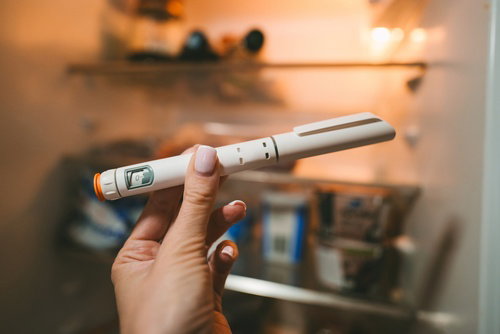
In the history of medicine, certain drugs towered above others and became the Gold Standard, such as lithium for bipolar disorder, aspirin for secondary cardiovascular protection, levodopa for Parkinson’s disease, and statins to prevent heart disease and strokes. All have helped patients far beyond doctors’ initial expectations and continue to benefit millions of people every day. A new class of drugs designed to treat type 2 diabetes that were later approved for chronic weight management are set to join the ranks of unique medications.
GLP-1 medications mimic the action of a naturally occurring hormone, glucagon-like peptide-1 hormone that is naturally released in the gut after eating. Although originally used for decades to treat individuals with type 2 diabetes, these receptor agonists became a popular choice for people who need to lose weight, after researchers documented recurring side effects where people lost substantial weight during early clinical trials. In fact, the evaluation metrics were used for FDA-approval by the U.S. Food and Drug Administration for chronic weight loss.
In fact, due to GLP-1 incretin mimetic’s profound cardiovascular and metabolic health benefits, newer glucagon-like peptide-1 receptor agonists have rapidly emerged as the baseline for medical expectations in managing metabolic issues like type 2 diabetes as well as treating obesity and overweight individuals with certain weight-related conditions. As for today, research from the Obesity Medicine Association gathered in clinical trials suggests the most effective FDA-approved prescription medication for weight loss with a 22.5% average body weight reduction is the dual-hormone receptor agonist tirzepatide.
How do GLP-1 RAs reduce fat & improve wellness?
GLP-1 receptor agonists improve metabolic health through three primary mechanisms:
- Glucose stabilization: GLP-1 RAs mimic the body's natural incretin hormones, prompting insulin release in response to meals and blunting post-meal blood sugar spikes.
- Lower insulin resistance: By keeping glucose levels more consistent, these medications reduce the chronic demand on the pancreas by helping restore the body's sensitivity to insulin over time.
- Visceral fat reduction: Stabilized glucose and reduced insulin resistance create conditions less favorable for storing harmful visceral fat, the deep abdominal fat most closely linked to metabolic dysfunction.
Synthetic GLP-1s tell the pancreas to make more insulin but only when blood sugar is high. In turn, this stops the body from releasing glucagon that would naturally raise blood sugar levels.
What are the top performing GLP-1 injections?
Some GLP-1 medications have been on the market for years and new ones seem to be emerging every day. Although it is easy for consumers to do, your doctor will not overlook first-generation medications that may better suit your needs:
- Tirzepatide (Zepbound): Dual GIP/GLP-1 receptor agonist; highest trial weight loss (~22.5%). Administered as a weekly injection. In addition to obesity, it is approved for treatment of moderate to severe obstructive sleep apnea.
- Semaglutide (Wegovy): GLP-1 receptor agonist; robust trial weight loss (~14.9% to 16.6%). Administered as a weekly injection. In addition to obesity, it is approved for secondary prevention of major cardiac events and the treatment of non-cirrhotic metabolic steatohepatitis.
- Liraglutide (Saxenda): Daily GLP-1 injection; yields lower average weight loss (~8%). Some patients may lose 5–10% of body weight, especially with the higher dose of liraglutide. In addition to weight loss, liraglutide is also approved for type 2 diabetes under the brand name Victoza.
Side effects are similar for GLP-1 receptor agonists, which include nausea, diarrhea, constipation, vomiting, headache, decreased appetite, dyspepsia, fatigue, dizziness, abdominal pain, increased lipase, and renal insufficiency.
What are the top performing oral GLP-1 medications?
The first oral GLP-1 receptor agonist was approved as a once-daily pill in 2019 to improve blood sugar control in adults with type 2 diabetes. It was a semaglutide marketed under the brand name as Rybelsus. Almost seven years later, the U.S. Food and Drug Administration gave FDA-approval for the first oral GLP-1 pill (Wegovy) specifically for chronic weight management and reduction of cardiovascular risks. This officially expanded the “patient choice” of administration beyond traditional GLP-1 weekly injectables. The latest breakthrough oral GLP-1 options include Eli Lilly’s orforglipron (Foundayo), which is a non-peptide pill that received FDA-approval for chronic weight management in April 2026. It is the newest class of small-molecule GLP-1s that do not require fasting or water restrictions and can be taken any time of day.
Frequently Asked Questions
Q: What is a GLP-1 receptor agonist?
A GLP-1 receptor agonist is a class of prescription medication that mimics glucagon-like peptide-1, a hormone that regulates blood sugar. Common examples: semaglutide (Ozempic, Wegovy) and tirzepatide (Mounjaro, Zepbound).
Q: Are GLP-1 RAs only for people with diabetes?
No. While GLP-1 RAs were originally developed to treat type 2 diabetes, several formulations are now prescribed for weight management and metabolic health improvement in adults without diabetes, subject to clinical evaluation.
Q: Is a prescription required for GLP-1 receptor agonists?
Yes. GLP-1 RAs are prescription-only medications. A qualified healthcare provider—such as those available at Metabolic Research Center—must evaluate whether they are appropriate for your individual health profile.
__________________________
Choosing the best GLP-1 medication for your weight loss journey depends upon both your specific goals as well as the review of your medical history with a professional provider. After all, it takes a small investment of one-on-one time to find the right balance between your personal health and the formulation’s weight-loss effectiveness and delivery method (injection vs. pill), as well as your out-of-pocket costs. In general, you should avoid GLP-1s if you have a personal or family history of medullary thyroid carcinoma or Multiple Endocrine Neoplasia syndrome type 2 (MEN2). At Metabolic Research Center Lafayette, our goal is to provide the GLP-1 support needed to create a customized program that preserves crucial muscle mass, limits the common side effects of using a GLP-1 receptor agonist, and produces the changes your body needs for sustainable weight control.
By submitting this form, you agree to receive marketing text messages from us at the number provided, including messages sent by autodialer. Consent is not a condition of any purchase. Message and data rates may apply. Message frequency varies. Reply HELP for help or STOP to cancel. View our Privacy Policy and Terms of Service.