Embracing Protein Forward Eating for Weight Loss
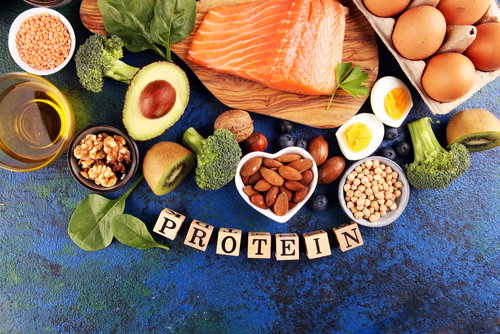
“Learn More About Improving Your Metabolism with Protein Forward Veggies
Plant-based proteins can provide a unique pathway to the wonderful world of metabolically supportive menu plans. With help from a one-on-one coach, dietary intake can be personalized with protein forward options that allow for an ample intake of both animal and plant-based foods. That way, you can embrace a wide variety of low-carb, low-fat proteins, while minimizing your intake of processed food products that are high in additional ingredients and low in nutrients.
Ultra-processed foods like sodas, snacks, frozen meals, and fast foods are industrial formulations that are loaded with added sugar, fats, salts, and artificial ingredients. Due to an overall lack of nutritional value, mass-produced foods filled with additives, emulsifiers, and preservatives are packaged versions designed for long shelf-life and high palatability. Most store-bought bakery items fall under this top tier of over-processing and are high in calories and unhealthy sources of fat.
Generally speaking, consuming protein forward food supports long-term weight management due to their lower calorie density and higher fiber content, which naturally boosts feelings of fullness with a reduction in food cravings. Plus, the fiber found in protein-forward whole foods can reduce the ecological footprint while supporting gut microbiome health and wellbeing. Nonetheless, it is important to also practice mindful eating by paying closer attention to hunger and fullness cues.
So how do I get my metabolism working again?
Metabolic weight loss works by optimizing your body’s energy expenditure via its basal metabolic rate. BMR is the minimum number of calories that your body requires to perform life-saving functions while at rest, such as breathing, blood circulation, and cell production. Although individually influenced by age, sex, weight, and muscle mass, your basal metabolic rate represents about 70% of your total energy expenditure. Knowing your BMR helps determine the total caloric intake that your body needs to lose or maintain a target weight. In example, although lean muscle mass increases your BMR by burning more calories, aging generally lowers it. In addition to your sex and genetic profile, your existing hormone levels also affect how the body burns calories throughout the day and at night. So, getting your metabolism working efficiently involves a combined strategy to maintain muscle mass (physical activity), eating protein-forward foods, staying well hydrated, and avoiding extreme food restrictions like a fad diet.
METABOLIC ROLE OF MUSCLE VS ADIPOSE TISSUE
Skeletal muscle is a critical tissue for both glucose and fatty acid metabolism, as well as a major site of body protein, so any loss of muscle has implications for both metabolic regulation and physical mobility. Anabolism, which is normal muscle protein synthesis, is stimulated by dietary intake and resistance training; but the amino acids provided by a protein-forward meal plan are thought to be the main drivers of this metabolic response. However, insulin acts to restrict muscle protein breakdown, even in a fasting state at rest.
As adults become less active with aging, they immediately start to lose crucial lean muscle mass. This loss of calorie-burning tissue lowers their total daily energy expenditure and creates metabolic abnormalities like adipose tissues (fat cells) ability to store fatty acids that contributes to changes in body fat distribution. While absolute fat oxidation capacity often declines with age, older adults frequently display higher rates of lipolysis (fat breakdown) and energy utilization relative to carbohydrate usage following meals that are driven by metabolic adaptations.
Meal fat storage happens when the body converts dietary fat from food into triglycerides and stores them in adipose tissue. Both adult men and women have different types of fat deposits that in turn have varying metabolic functions. The three major types of stored fat include upper body subcutaneous (pinchable fat beneath the skin), lower body subcutaneous, and visceral fat that likes to surround internal organs and especially in the abdominal region (belly fat). While fat from food is stored, the body can convert excess carbs or proteins into fat for storage, but this is less efficient than storing dietary fat.
____________________
For starters, embracing a protein-forward menu plan allows you to avoid extreme dieting, skipping meals, and relying on high-calorie food options at meal time or for important snacks as needed. Fact is, experts today tend to agree that including protein, whether animal or plant-based, at every meal can improve metabolism, increase metabolic efficiency, and help to conserve energy. Routine exercises like walking and resistance-band training can also increase calorie burning, and even while your body is at rest. If you’re trying to decide whether a prescription-based weight loss plan or a more holistic metabolic weight loss program is right for you, contact MRC Valdosta today. One of our weight loss coaches will be in touch to discuss how hormone imbalances, genetic factors and key lifestyle habits may have slowed your metabolism and led to unintended weight gain. After all, hormonal balance can be restored and disrupted metabolic rates can be reset with a personalized approach.
By submitting this form, you agree to receive marketing text messages from us at the number provided, including messages sent by autodialer. Consent is not a condition of any purchase. Message and data rates may apply. Message frequency varies. Reply HELP for help or STOP to cancel. View our Privacy Policy and Terms of Service.