Do GLP-1 Agonists Restore Hormone Balance?
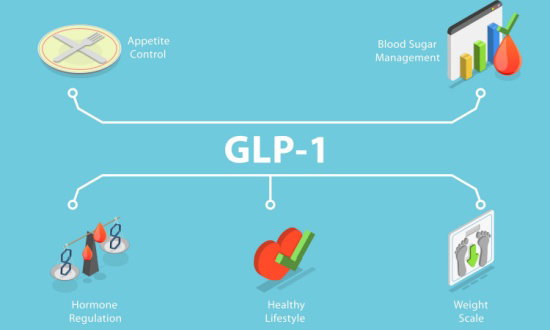
“Not a replacement therapy, receptor agonists help fix disruptions to signaling in key metabolic pathways.”
Glucagon-like peptide-1 (GLP-1) is a hormone naturally released in the gut after food intake. But, GLP-1 receptor agonists do not directly fix underlying hormone imbalances, such as thyroid disorders or menopause, but they can significantly improve endocrine disorders driven by metabolic dysfunction or obesity. By reducing visceral fat, improving insulin sensitivity, and re-establishing key metabolic signals, prescriptive GLP-1s do support hormonal equilibrium.
Both the natural hormone and its synthetic pharmaceutical equivalents fundamentally alter how the body processes energy. GLP-1 incretin mimetics are prescription medications that replicate this natural gut hormone by triggering receptors in the brain to help manage blood sugar, control weight, and improve heart health. By binding directly to GLP-1 receptors, these formulations help re-establish hormonal equilibrium for metabolic harmony.
Achieving hormone balance across key metabolic pathways is a challenge for many people, particularly those simultaneously managing appetite, blood sugar regulation, and daily energy levels. Prescriptive GLP-1 receptor agonists have emerged as powerful tools for supporting metabolic health and restoring overall wellbeing. Although originally developed to treat type 2 diabetes, these medications are now FDA-approved and capable of restoring balance across gut-brain pathways when prescribed for chronic weight management.
How Do Hormonal Imbalances Affect Weight?
Hormone imbalances are a common and well-documented driver of unintended weight changes. When chemical messengers are not at correct levels, the body's ability to regulate fat storage becomes disrupted. Women are particularly susceptible to estrogen dominance during menopausal phases, as estrogen and progesterone levels naturally rise and fall throughout their lifetime. Elevated estrogen levels in women can reduce sex drive (low libido), increase feelings of fatigue, worsen premenstrual syndrome (PMS) and promote fat deposits in the waist, hips and thighs. Clinical studies reinforce that hormonal dysfunction is directly linked to unintended weight gain, which means GLP-1’s metabolic support is a key component of hormonal health management.
Can GLP-1 Dosing Changes Help Regulate Metabolism?
GLP-1 incretin mimetics interact with sex hormones like estrogen, progesterone, and testosterone to enhance the sensitivity of beta cells in the pancreas to glucose, thereby lowering blood sugar levels. If metabolic inefficiencies related to common hormonal shifts are a concern, performing hormone and genetic testing is an important first step. Testing provides a clearer picture of the body's unique needs for managing GLP-1 dosages and helps determine whether hormone replacement therapy may also be necessary. Individual results depend on the patient’s body composition, dosing, adherence, and whether complementary therapies are used.
Are GLP-1s Safe to Use with Hormone Replacement Therapy?
Clinical studies suggest that combining prescription GLP-1 medications with HRT can produce significantly better weight loss outcomes and added relief from typical GLP-1 side effects. However, patients taking oral estrogen should use transdermal HRT* delivery methods, such as patches or gels, to avoid potential absorption issues caused by GLP-1-related gastrointestinal discomfort. Always consult a healthcare provider before combining these therapies. GLP-1 receptor agonists do not directly alter hormone levels, but the hormonal effects of weight loss, including reduced estrogen burden and improved testosterone balance, typically emerge gradually over weeks to months of sustained treatment.
*Important note for HRT users: For those taking oral estrogen, GLP-1 RA side effects like gastrointestinal discomfort can dramatically reduce absorption. Transdermal patches or gels are recommended for hormone replacement therapy (HRT) when used alongside GLP-1 medications. Recent clinical studies also suggest that combining prescription GLP-1 medications with hormone replacement therapy produced significantly better weight loss results, with added relief from typical GLP-1 side effects.
Can Body Fat Increase Estrogen Levels in Males?
Not directly. But increased body fat leads to higher concentrations of aromatase in men as well. In males, aromatase accelerates the conversion of testosterone into estrogen. Elevated estrogen levels then signal the brain to slow testosterone production, causing testosterone to drop further. When estrogen outpaces testosterone in men, the body tends to store excess fat in the chest, abdomen, and hips, which is a distribution pattern that can shift closer to a feminine shape. Lower testosterone levels also commonly promote midsection weight gain characterized by a soft "potbelly." GLP-1 therapy can help break this cycle by reducing adipose tissue and its associated aromatase activity.
Do Protein-Forward Whole Foods Support Hormonal Health?
A personalized, protein-forward nutrition plan can meaningfully support hormone production for individuals of any sex who are prescribed a GLP-1 receptor agonist for weight loss. While no single food can correct hormonal imbalances on its own, a protein-first eating pattern provides the building blocks the body requires for sustained endocrine function. Both single-action GLP-1s like semaglutide and dual-hormone options like tirzepatide, which combine GLP-1 with glucose-dependent insulinotropic polypeptide (GIP), may provide the added metabolic component needed for restoring hormonal wellness when paired with quality nutrition.
Can GLP-1 RAs Restart Irregular Menstrual Cycles?
GLP-1 synthetic medications cannot replace declining hormones and do not cure symptoms like mood swings or hot flashes. However, they are highly effective at combating insulin resistance, which is a core driver of PCOS, by reducing visceral fat storage and preventing menopausal weight gain. Specifically, GLP-1 receptor agonists can help restart irregular cycles and ovulation by lowering testosterone levels associated with PCOS, reducing food noise to support dietary adherence, and improving insulin sensitivity across metabolic pathways. Although weight loss can impact the specific dosage requirements for thyroid medications over time, GLP-1 incretin mimetics do not alter thyroid hormone levels within the normal range.
_________________________
Prescriptive GLP-1 incretin mimetics work by mimicking the body's production of the natural gut hormone after eating. These medications interact with sex hormones (estrogen, progesterone, and testosterone) to enhance the sensitivity of beta cells in the pancreas to glucose, ultimately lowering blood sugar levels and preventing spikes and crashes. While estrogen can enhance how a woman's brain and body respond to GLP-1 incretin mimetics, the medications themselves do not raise estrogen levels. Long-term weight loss via GLP-1 therapy can, however, reduce overall estrogen burden by shrinking fat cells that produce and store the hormone. At Metabolic Research Center The Villages, our goal is to provide the GLP-1 support needed to create a customized program that preserves crucial muscle mass, limits the common side effects of using a GLP-1 receptor agonist, and produces the changes your body needs for sustainable weight control.
By submitting this form, you agree to receive marketing text messages from us at the number provided, including messages sent by autodialer. Consent is not a condition of any purchase. Message and data rates may apply. Message frequency varies. Reply HELP for help or STOP to cancel. View our Privacy Policy and Terms of Service.