Can GLP-1 Receptor Agonists Speed Metabolism?
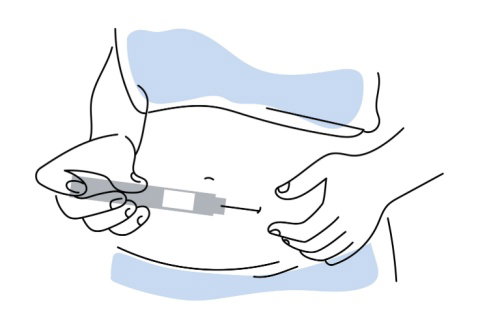
“Not directly but research suggests they may influence specific cellular and tissue metabolic activities.”
GLP-1 medications do not act as a metabolic accelerator to speed or slow metabolism, nor do incretin mimetics increase your resting metabolic rate. Instead, receptor agonists like semaglutide and tirzepatide drive weight loss by curbing appetite, slowing stomach digestion, and reducing overall calorie intake to improve how your body handles blood sugar and fats. GLP-1s may trigger minor shifts like enhanced fatty acid oxidation by mimicking a fasting state, but this does not increase the rate of calories burned.
Health consequences of excess weight have never been greater with nearly 40% of adults worldwide overweight, but treating obesity is challenging because calorie restriction often leads to rebound weight gain. Receptor agonists mode of action is to mimic the endogenous gut hormone that naturally regulates glucose metabolism and satiety. That’s why synthetic GLP-1 medications have revolutionized weight loss and can reduce body weight in obese patients by between 15% to 25% on average after one year.
Not only do glucagon-like peptide-1 incretin mimetics help regulate blood sugar levels, but research shows they play a vital role in protecting cardiovascular wellbeing. Through metabolic reprogramming, GLP-1 receptor agonists regulate fatty acid, glucose, and ketone body metabolism to alleviate oxidative stress and reduce the risk of heart disease, including heart attacks and strokes. These mechanisms collectively optimize cardiac energy metabolism, enhance mitochondrial function, and mitigate oxidative stress to support cardio health.
How do GLP-1 medications impact your metabolism?
Beyond appetite regulation with increased satiety, GLP-1 receptor agonists enhance energy metabolism by improving glycemic control, promoting thermogenesis, and increasing energy expenditure. However, GLP-1 medications do not significantly speed up metabolism (or increase resting metabolic rate), but having a better understanding of the mechanisms behind incretin mimetic therapy can help you set realistic goals for treatment outcomes following a medical weight loss plan. Weight loss typically occurs at 1-2 pounds weekly over 60-72 weeks, with most patients regaining substantial weight after medication is stopped. Some minor cellular and fat-burning pathways do improve locally, but this does not translate to a high-speed metabolism.
How do GLP-1 receptor agonists affect your body?
GLP-1 medications cause weight loss primarily by suppressing appetite and slowing digestion. By reducing hunger, quieting food cravings, and making you feel full longer, the drug creates a natural calorie deficit. Opinions are often mixed among patients using an incretin mimetic, as some users feel their GLP-1 medication directly alters how their body burns calories, while most agree that the receptor agonists stop constant thoughts about food making it much easier to eat less and consume fewer calories each day. GLP-1s also help your body manage insulin better, which helps to eliminate sharp blood sugar spikes and crashes. But, GLP-1s do not magically melt away fat deposits on their own.
How do GLP-1 medications affect the body?
Glucagon-like peptide-1 incretin mimetics delay gastric emptying of food, so it stays in your stomach longer and you feel full sooner. In addition, GLP-1 sends signals to the brain to boost satiety hormones produced by fat cells that tell the hypothalamus that energy stores are sufficient. This chemical signaling prevents leptin resistance that can block suppression signals that lead to persistent food cravings for high-calorie, sugary and fatty foods. When blood sugar levels are high, GLP-1 RAs release insulin and block glucagon. Unfortunately, some patients experience common gastrointestinal side effects like stomach upset (nausea, vomiting or bloating) and bowel changes (diarrhea or constipation), as well as a reduction in thirst that can threaten proper hydration.
How do GLP-1 incretin mimetics affect metabolism?
Generally speaking, clinical studies show that there is no major boost to your resting metabolic rate as baseline calorie burning does not speed up significantly from glucagon-like peptide-1. They boost insulin release after eating to stop the liver from making excess sugar and trigger minor shifts like enhanced fatty acid oxidation by mimicking a fasting state, but this does not increase total calories burned. However, GLP-1 incretin mimetics help your body handle glucose more efficiently, which leads to more rapid weight reduction and this can cause the body to lose lean muscle mass along with fat. That said, losing muscle mass can naturally lower your daily calorie burn if you do not protect your strength. If you are taking or considering a GLP-1 medication, personalize a protein-forward menu plan and add resistance band exercises to preserve vital muscle tissue.
_______________________
Neither naturally-released glucagon-like peptide-1 hormone nor synthetic GLP-1 receptor agonists significantly speed up resting metabolism. Instead, GLP-1 medications promote weight loss primarily by slowing stomach digestion to curb appetite and reduce the total number of calories you consume each day. While these revolutionary weight loss drugs may positively influence metabolic activity (cellular or tissue), GLP-1RAs do not accelerate your overall metabolism but do influence how your body handles glucose and fats, even when baseline energy expenditure remains stable. At Metabolic Research Center St. Augustine, our goal is to provide the GLP-1 support needed to create a customized program that preserves crucial muscle mass, limits the common side effects of using a GLP-1 receptor agonist, and produces the changes your body needs for sustainable weight control.
By submitting this form, you agree to receive marketing text messages from us at the number provided, including messages sent by autodialer. Consent is not a condition of any purchase. Message and data rates may apply. Message frequency varies. Reply HELP for help or STOP to cancel. View our Privacy Policy and Terms of Service.