Friend or Bystander? Latest Melatonin Research
“A Plain-English Look at Sleep Hormone in Human & Animal Studies”
If you're looking to optimize your weight loss journey, melatonin might be one of those unexpected allies you need. Recent research suggests that melatonin is much more than just a sleep aid, as it actively helps your body burn fat more efficiently when paired with a healthy diet and regular exercise. While it isn't a magic weight-loss pill, it does act as a powerful metabolic optimizer. By improving sleep quality, melatonin helps manage appetite hormones often linked to obesity.
Interestingly, this sleep-wake regulator changes how your body stores and uses energy. It encourages white adipose tissue (the fat your body stores) to behave more like brown adipose tissue, which is the fat your body burns for heat, effectively boosting your daily calorie burn. Furthermore, maintaining a stable sleep-wake cycle keeps the stress hormone cortisol in check, which is crucial for preventing late-night snack cravings and metabolic dysfunction.
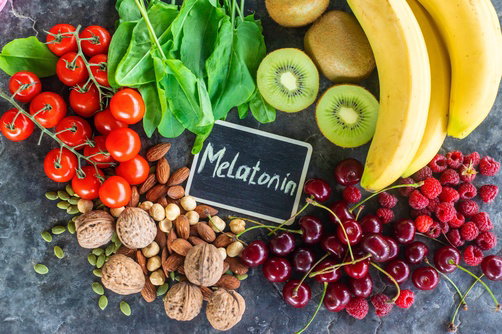
So, how can you naturally boost your melatonin levels? Start with your plate. Protein-forward foods are excellent sources of tryptophan, an essential amino acid. Your body uses tryptophan to produce serotonin, which is then converted into melatonin in the pineal gland. For the best results, pair these healthy proteins with complex carbohydrates. This combination helps tryptophan easily enter the brain, setting you up for a restful, fat-burning night of quality sleep.
As your friend, melatonin enhances metabolic functions...
For starters, as a key mediator of sleep-wake cycles, melatonin plays a crucial role in regulating circadian rhythms by acting as a potent antioxidant to help regulate lipid metabolism and overall blood glucose levels. It is the hormone that promotes the “browning” of white adipose tissue (stored as fat) into calorie-burning brown fat, which indeed improves insulin sensitivity. When properly released at night, it supports mitochondrial function, optimizes metabolism, and reduces obesity, independently of food intake through fat browning. In addition, it aids in balancing lipid profiles by lowering triglycerides and LDL (bad cholesterol) while potentially boosting HDL (good cholesterol). However, timing is critical as taking melatonin during the day might impair glucose tolerance.
HOW FOOD AND SLEEP FIGHT FAT GAIN
Acting as a highly versatile metabolic regulator, melatonin enhances functions by protecting your mitochondrial health, improving overall insulin sensitivity, and shifting energy expenditure toward fat utilization rather than storage to reduce risks of unintended weight gain. For example, melatonin can boost muscle metabolism (growth) and accelerate metabolic recovery after exercise by increasing glycogen storage and glucose transporters (GLUT4) in skeletal muscles. But, once again, benefits are highly dependent on timing.
Often called the “darkness hormone,” consuming melatonin-containing foods or taking supplements during biological daytime can impair glucose tolerance, particularly in people with specific genetic variations. Experts say that mimicking the nighttime cycle that naturally triggers the sleep-wake regulator provides the best results for both getting the high-quality of sleep your body needs and minimizing fat gain at night by promoting the conversion of white fat into brown fat for lipid metabolism.
Similarly, protein enhances metabolic function by increasing your body’s metabolic rate through the high thermic effect of food, which simply means more calories are burned during the digestive processes. In turn, this supports overall metabolic health and wellness by boosting satiety while maintaining lean muscle mass to assist in long-term weight management. Researchers do recommend a slight increase in daily intake to help older adults combat sarcopenia, which is the loss of muscle mass, strength, and function due to inactivity or poor nutrition.
______________________
When melatonin functions properly, it can help to minimize fat gain at night by promoting the conversion of white fat into calorie-burning brown fat, as your friend. On the other hand, melatonin plays a crucial role as a bystander as it minimizes modulation of inflammation throughout the body for better healing. If you’re struggling to sleep, contact Metabolic Research Center Port Orange today. One of our weight loss coaches will be in touch to discuss how you can get a good night’s sleep and still enjoy the weight loss benefits of a protein-first, low carb diet. After all, the quality of sleep you get isn’t just about getting through your daily grind; your gut-brain-melatonin axis is directly linked to increased risk of heart disease, high blood pressure, diabetes, kidney disease, stroke, and obesity.
*NOTE: Generally speaking, melatonin supplementation should be avoided by pregnant or breastfeeding women, those with autoimmune disease, or individuals taking immunosuppressants, blood thinners, or certain blood pressure medications.
By submitting this form, you agree to receive marketing text messages from us at the number provided, including messages sent by autodialer. Consent is not a condition of any purchase. Message and data rates may apply. Message frequency varies. Reply HELP for help or STOP to cancel. View our Privacy Policy and Terms of Service.