Why Do GLP-1 Users Need a Weight Loss Plan?
“Visit MRC Pooler for More About Our Structured GLP-1 Support”
Glucagon-like peptide-1 (GLP-1) is an incretin mimetic that is produced naturally in your small intestine after food intake to help your body manage blood sugar, appetite, and digestion. On the other hand, GLP-1 agonists and GLP-1/GIP receptor medications have been approved for use in treating obesity and overweight conditions where the individual also suffers with a weight-related metabolic condition like high blood pressure or metabolic syndrome.
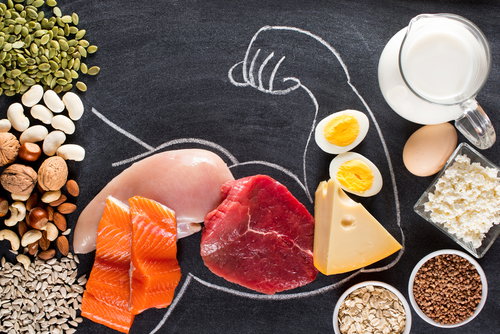
Certain foods can naturally stimulate GLP-1 hormone released to help manage your daily calorie consumption, but the powerhouse macronutrient protein tops the list of options that make you feel full sooner and for longer to reduce overall food intake. Fact is, protein-forward animal and plant-based sources combined with healthy fats like olive oil can boost satiety. However, since GLP-1 also follows your body’s circadian rhythm with higher levels during the day, strategies that synchronize meal timing can produce more effective results.
For those who follow the importance of their gut-brain axis, it is not surprising that hormone-related factors impact many of the ways you can boost GLP-1 naturally whether you qualify for a GLP-1 prescription or elect to follow a more holistic approach to shedding unintended weight gain. In example, poor sleep quality can disrupt rhythms and delay the peak time of GLP-1 after eating, which affects overall calorie intake. Moreover, the chronic stress related to disruptive sleep patterns can impair release and trigger cravings that lead to overeating, especially of high-calorie comfort foods.
When a GLP-1 user needs a detailed plan...
Medical weight loss patients using GLP-1 medications immediately need a structured plan to follow. Moreover, it is a crucial program that should be continued throughout treatment to ensure sustainable results, as such plans are often essential for preventing loss of calorie-burning muscle mass. While GLP-1 medications like semaglutide and tirzepatide are incredibly effective at reducing appetite and food noise, they are not a substitute for a comprehensive weight loss plan. Since rapid weight loss on GLP-1s can cause up to 15–25% of the weight lost to be lean muscle mass, a personalized program focused on protein forward food intake and resistance training is needed to quickly address and prevent this common problem from happening. At MRC Pooler, your one-on-one coach understands that results can suddenly slow as your body adapts to less food intake, so MRC is prepared to help you reevaluate strategies to overcome temporary plateaus. Since obesity is a chronic metabolic condition, a structured lifestyle plan is needed if the user wants to taper off the medication without weight regain.
PROTEIN FORWARD FOODS TO STIMULATE GLP-1
Although glucagon-like peptide-1 is a natural hormone produced in the gut, the outcomes are marginal compared to the therapeutic benefits offered by prescriptive alternatives. This is because the medications and the natural hormone work differently, and the effects provided by semaglutide can get stronger with higher doses. Even though the natural hormone has a lower potency, despite some GLP-1 myths circulating online, dietary and lifestyle behavioral change remains crucial while taking GLP-1 medications.
Although probiotics and fermented foods affect how GLP-1 works in your body, the microbes in your gut bacteria can consume the natural sugars and starches during fermentation by transforming them into beneficial acids. In example, fermentation lowers lactose (sugar) to produce Greek yogurt, and healthy dairy products like cottage cheese only contain minimal carbs. In addition, fermented low-glycemic vegetables have about half the carbohydrates of their raw counterparts.
Eating healthy monounsaturated fats and omega-3s increases natural GLP-1 release and helps you feel full by slowing down stomach emptying. Protein-forward sources of lean meats (skinless chicken breasts, salmon, mackerel, lean beef) and low-glycemic whole foods (dark leafy greens, spinach, kale, broccoli, asparagus, sprouts, apples, berries) can be combined with key fats to help maintain GLP-1 activity in your body and synchronized with daily feeding rhythms to support more positive outcomes.
_____________________
A GLP-1 user needs a structured weight loss plan upon starting the medication to ensure long-term success, manage potential muscle loss, and prevent weight regain after they stop taking the drug. While these revolutionary medications can reduce appetite, a comprehensive program should be personalized with focus on protein forward menus, resistance exercises, and key behavior changes that are often essential for more sustainable results. If you’re trying to decide whether a prescription-based weight loss plan or a more holistic metabolic weight loss program is right for you, contact MRC Pooler today. One of our weight loss coaches will be in touch to discuss how hormone imbalances, genetic factors and key lifestyle habits may have slowed your metabolism and led to unintended weight gain. After all, hormonal balance can be restored and disrupted metabolic rates can be reset with a personalized approach.
By submitting this form, you agree to receive marketing text messages from us at the number provided, including messages sent by autodialer. Consent is not a condition of any purchase. Message and data rates may apply. Message frequency varies. Reply HELP for help or STOP to cancel. View our Privacy Policy and Terms of Service.