What Are the Latest GLP-1 Meds for Losing Weight?
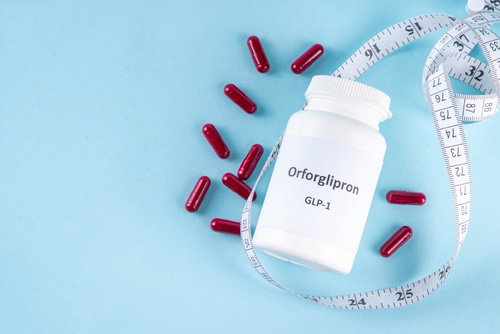
“The newest FDA-approved weight loss medications include a once daily oral and a high-dose GLP-1 injectable.”
Although weight loss medications have been available for many years, it has been GLP-1 receptor agonists that revolutionized the pharmacological treatment of obesity with FDA-approval of semaglutide as a prescriptive weekly injection in 2021. This single-action incretin mimetic was quickly followed by a dual-hormone (glucagon-like peptide-1 and glucose-dependent insulinotropic-polypeptide) drug called tirzepatide. Then, the new year saw the first-approved oral GLP-1 RA medication that can be taken daily (orforglipron) in pill form.
Now, as the growing selection of weight loss medications are being discussed online, many potential patients are asking which one is best for them. For example, “Do I need the latest and strongest GLP-1 receptor agonist to lose weight more quickly”? And the answer to their question is: maybe or maybe not. That’s because newer is not always better and you may not even need the most potent GLP-1 medication. This is where a professional provider’s review of your medical history helps determine the best formulation to launch your journey right now.
Nonetheless, the U.S. Food and Drug Administration is responsible for protecting and promoting public health and the agency approves medications as a treatment option for specified conditions. Determining whether you are a candidate and qualify for a GLP-1 prescription begins with your body mass index, as most weight loss medications are prescribed for someone with obesity or an overweight BMI with weight-related health conditions. While some weight loss meds are only FDA-approved for adults, weekly injectable semaglutide and daily injectable liraglutide are approved for obese children 12 years and older.
What is the future of obesity treatment using GLP-1 agonists?
The obesity medication pipeline is one of the most active areas in pharmaceutical development. With fervent consumer demand, rising global obesity rates, and growing evidence of GLP-1 drugs' broader therapeutic benefits, the field is evolving rapidly. Key developments to watch:
- One to two new GLP-1 launches projected annually starting in 2026
- 39 GLP-1 RA-related medications in development as of May 2025
- Expanding indications to treat obesity-related diseases and not just weight
Clinical guidelines recommend that pharmacotherapy for obesity be used as part of a comprehensive treatment plan that gives providers an ability to personalize obesity treatment as the range of available therapies widens. GLP-1 RAs are not intended to replace weight management therapy but to complement it.
Who qualifies for prescriptive GLP-1 weight loss medications?
With dozens of new GLP-1 receptor agonists in development, the obesity treatment landscape is expanding rapidly by offering patients and providers more personalized options than ever before. Currently, the short answer to the question says obese adults with a BMI ≥ 30 regardless of additional health conditions. In addition, overweight men and women with a BMI ≥ 27 with at least one weight-related comorbidity, are generally eligible for GLP-1 RA therapy. Related conditions include type 2 diabetes, hypertension, dyslipidemia, or obstructive sleep apnea. However, no weight loss medications are currently approved for use during pregnancy. Additionally, coverage eligibility can vary significantly by insurer.
What is the newest triple-hormone incretin mimetic called?
One of the most closely watched pipeline medications is Retatrutide, developed by Eli Lilly. This injectable drug is a triple receptor agonist, simultaneously targeting GLP-1, GIP, and glucagon receptors that is a promising product in the weight-loss pipeline. Its Phase 3 clinical trials include patients with obesity and knee osteoarthritis with trial endpoints examining both. Other trials will examine the effect of retatrutide on obstructive sleep apnea, chronic kidney disease, type 2 diabetes, major adverse cardiac events, and low back pain in addition to weight loss with expected readouts in 2026 and 2027. Experts expect future clinical trials to include treatment of adiposity-related diseases as a specific component of determining the effectiveness of obesity medications.
Frequently Asked Questions
- Can I qualify for weight loss medication if I'm not obese?
Yes. Individuals with a BMI of 27 or higher, which is classified as overweight may qualify for weight loss medication if they have at least one weight-related health condition, such as type 2 diabetes, hypertension, or obstructive sleep apnea. - Are weight loss medications safe for long-term use?
Long-term safety data for GLP-1 receptor agonists continues to accumulate through ongoing clinical trials. Most major trials to date have shown a favorable safety profile, though long-term effects are still being studied. Patients should discuss individualized risk-benefit considerations with their healthcare provider. - What is the difference between a GLP-1 agonist and a dual or triple agonist?
A GLP-1 agonist targets a single hormone receptor involved in appetite regulation and blood sugar control. A dual agonist (e.g., tirzepatide) targets two receptors (GLP-1 and GIP) while a triple agonist like retatrutide targets three peptide hormones: GLP-1, GIP, and glucagon. Dual and triple agonists are generally associated with greater weight loss but may also carry different side effect profiles. - Will insurance cover my weight loss medication?
Coverage varies widely by insurer and plan. Many insurers follow BMI-based eligibility criteria similar to clinical guidelines, but specific covered medications and required documentation differ. Patients should contact their insurance provider directly to confirm coverage before starting treatment.
The latest GLP-1 medical weight loss options include an FDA-approved oral daily pill called Foundayo (orforglipron) that is a small-molecule (non-peptide) that doesn’t require fasting and water restriction, as an oral formulation of semaglutide for chronic weight management that has stricter intake guidelines. In addition, retatrutide is an investigational triple-receptor agonist that targets GLP-1, GIP, and glucagon. Although glucagon-like peptide-1 hormone reduces glucagon naturally, newly designed drugs activate receptors to boost calorie and fat loss. But, retatrutide is still in Phase 3 trials and is not available for medical use. At Metabolic Research Center Pooler, our goal is to provide the GLP-1 support needed to create a customized program that preserves crucial muscle mass, limits the common side effects of using a GLP-1 receptor agonist, and produces the changes your body needs for sustainable weight control.
By submitting this form, you agree to receive marketing text messages from us at the number provided, including messages sent by autodialer. Consent is not a condition of any purchase. Message and data rates may apply. Message frequency varies. Reply HELP for help or STOP to cancel. View our Privacy Policy and Terms of Service.