What are Hormone-Sensitive Fat Storage Regulators?
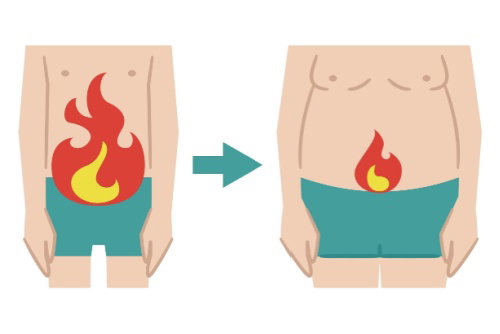
“Learn about enzymes and proteins that control energy at MRC Ormond Beach”
Fat storage is primarily managed in white adipose tissue when the body has been fed and insulin stimulates nutrient absorption and storage of triglycerides. The process starts during fasting as low insulin levels and high levels of counter-regulatory hormones like glucagon trigger lipolysis (breakdown). However, disruptions in the metabolic pathways can lead to accumulation of fat or the inability to properly manage energy stores, which is common with obesity.
Moreover, while fat storage is both a normal and necessary biological function, hormone-sensitive fat storage regulators can be disrupted and become imbalanced, particularly as hormonal shifts can impact metabolic efficiency throughout the aging process. This is a well-documented contributor to insulin resistance, unintended weight gain and obesity. In fact, the primary fat storage hormone is insulin that is secreted by the pancreas to regulate blood sugar levels.
At the cellular level, hormone-sensitive enzymes like lipase manage the hydrolysis of stored triglycerides to provide free fatty acids and glycerol to burn stored fat for energy. Although insulin hormone does suppress the enzyme in order to keep fat deposits intact. In fact, elevated insulin levels and excess release of the stress hormone cortisol represent the primary hormone-sensitive drivers of subcutaneous deposits and visceral fat storage in the abdominal region.
Factors influencing fat regulation and distribution...
Although the human body maintains fat balance through a complex feedback loop, key hormones dictate when and where excess fat is stored. Without doubt, high cortisol levels due to chronic stress have been directly linked to visceral stores of belly fat in both men and women. Plus, in premenopausal women, the stress hormone encourages subcutaneous deposits that are considered to be metabolically protective for storage in the hips and thighs. Not surprisingly, higher testosterone levels of dangerous fat stored around internal organs in the abdominal cavity has been linked to women, particularly when their body creates lower levels of estrogen during midlife. In both men and women, testosterone is a critical chemical messenger that helps maintain calorie-burning muscle mass. Whereas persistent cortisol elevation can bypass normal cycles of signaling, hormone like glucagon and epinephrine rise during both fasting and exercise to help the body utilize stored fat for fuel.
PROTEIN FORWARD FOODS THAT TARGET STORED FAT
Protein-forward foods that target stored fat work by boosting your metabolism through the high thermic effect of food (TEF). This helps trigger a sense of fullness that reduces your overall food intake and helps preserve metabolically-active lean muscle. So, your personalized menus should include lean meats (salmon, chicken breast), low-fat dairy products (Greek yogurt, cottage cheese), low-carb whole foods (edamame, spinach, broccoli), and healthy fats (avocado, olive oil) for sustained energy and satiety throughout the day.
Nonetheless, to maximize the effect of following a protein-first eating plan for meals and snacks, it is equally as important to avoid foods linked to blood sugar spikes that encourage fat storage rather than oxidation. Processed meats are among the most notorious sources of less-desirable proteins, including bacon, sausage, and deli meats (all of which are high in saturated fats and sodium). Refined carbohydrates, especially baked goods like white bread and pastries, are prone to cause rapid spikes in glucose and insulin levels.
On the other hand, the spike-and-crash nature of overly-processed foods and drinks that are loaded with added sugar or less-healthy fats are known for a sharp rise in blood sugar levels followed by a rapid drop that immediately increases hunger, especially for high-calorie comfort foods. This is why it is important to pair lean proteins with low-glycemic, non-starchy vegetables and healthy fats to slow digestion and absorption following food intake. Experts also suggest that optimal nutrient sequencing comes from eating whole foods and proteins before complex carbs at every meal.
_____________________
Sustainable weight management is not just about counting calories; it includes helping your body manage hormone-sensitive fat storage regulators that tell your metabolism what to do with excess energy and where it should go. For those who need new ways to lower specific hormones that boost fat storage like high insulin or cortisol levels, a protein-forward dietary plan for both meals and snacks is a step in the right direction. Plus, if you’ve been trying to decide whether a prescription-based weight loss plan or a more holistic metabolic weight loss program is right for you, contact MRC Ormond Beach today. One of our weight loss coaches will be in touch to discuss how hormone imbalances, genetic factors and key lifestyle habits may have slowed your metabolism and led to unintended weight gain. After all, hormonal balance can be restored and disrupted metabolic rates can be reset with a personalized approach.
By submitting this form, you agree to receive marketing text messages from us at the number provided, including messages sent by autodialer. Consent is not a condition of any purchase. Message and data rates may apply. Message frequency varies. Reply HELP for help or STOP to cancel. View our Privacy Policy and Terms of Service.