Low Carb Veggies Support Gut-Brain Axis
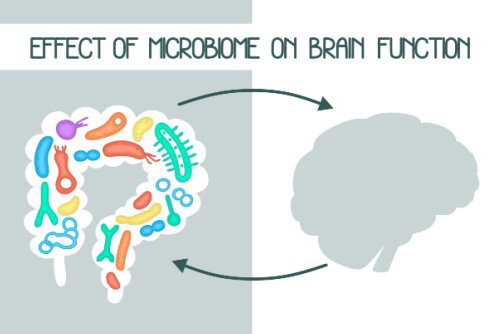
Most people don’t know about the major impact that beneficial gut bacteria in their microbiome has on neurotransmitter production and the release of chemical messengers that affect brain development and cognitive function. The gut-brain axis that includes the vagus nerve provides a bidirectional pathway and imbalances in gut flora are associated with mood disorders like depression and anxiety. In part, this is due to the fact that the 95% of the body’s serotonin is produced in the gut.
Trillions of microorganism made up of bacteria, yeasts, viruses, protozoa, and fungi that actually out-number the number of cells in the human body collectively help to metabolize nutrients and protect your body from harmful bacteria and toxins. Along with these tiny helpers, gut flora work together to release hormones, neurotransmitters, immune cells, and metabolites to regulate the bidirectional communication both ways between the gut and brain. So, your gut affects your brain and your brain affects your gut.
Why protein-forward, low-carb nutrition includes the right vegetables...
Incorporating low-carb vegetables is one of the most effective ways to restore gut balance and support the gut-brain axis. Rich in prebiotic fibers, these plant-based proteins feed beneficial bacteria that produce Short-Chain Fatty Acids, which are essential compounds that help reduce inflammation and boost neurotransmitters like serotonin. To maximize these cognitive and digestive benefits, fill your plate with leafy greens like spinach and kale, cruciferous staples such as broccoli and cauliflower, and prebiotic powerhouses like asparagus and garlic.
“At Metabolic Research Center, our approach is protein-forward and low-carb*—but that doesn’t mean vegetables are off the table. The right non-starchy vegetables play a critical role in metabolic health, gut function, and sustainable fat loss.”
Dana McKeen, CEO & Regional Director
Low-glycemic vegetables support the gut-brain axis by providing fiber for beneficial gut bacteria that reduces inflammation and delivers essential nutrients to promote production of chemical neurotransmitters, This can lead to improved mood, focus, and cognitive function through your gut's influence on your brain’s response. Key examples of powerful low-glycemic vegetables include leafy greens, cruciferous vegetables, and berries that feed good microbes and reduce inflammatory signals sent to the brain that can trigger excess fat storage.
Non-Starchy Vegetables Decrease Fat Storage
There are many biological modulators of energy balance but the gut microbiota made up of a collection of powerful metabolic engines that primarily reside in the colon do play key roles in human physiology, such as harvesting energy from the host’s dietary intake that reaches the colon undigested. Non-starchy veggies help decrease body fat accumulation because they are low in calories, high in fiber, and water-filled to help fill you up. Still, more science is needed as most studies lack the controls to assess the entire energy balance equation.
But, by converting indigestible components into short-chain fatty acids that the body can absorb for energy, certain obesity-related microbes can indeed increase energy harvesting that may lead to unintentional weight gain. In part, this is believed to be due to a higher proportion of certain bacteria that are more efficient at extracting extra calories, which can end up as visceral fat storage and especially in the abdominal region surrounding internal organs. This imbalance related to obesity appears to be related to a higher ratio of Firmicutes to Bacteroidetes.
While these theories regarding an obesity thumbprint are supported by evidence in clinical studies, the precise role of microbial energy harvesting in human obesity still needs additional research, as some studies have suggested the effects of increases in short-chain fatty acids may be more complex than previously thought. Additionally, it is highly likely that there are other important factors that interplay with the trillions of microorganisms involved in the daily bidirectional communication between your gut and your brain.
Think Protein Friendly for Good Gut Health
No doubt about it; good gut health provides important support for crucial metabolic processes by enabling nutrient absorption from calories and the production of essential compounds like short-chain fatty acids. Fact is, your gut microbiome contains enzymes to break down complex carbohydrates and other dietary components that the human body cannot. Plus, the gut helps regulate energy balance as well as both lipid and glucose metabolism to help modulate key immune responses.
Here’s how it works:
- Energy Extraction and Storage – The trillions of microbes in your digestive system help break down foods that your body can't digest on its own. Through the process of fermentation, beneficial gut bacteria convert protein-friendly complex carbohydrates into short-chain fatty acids to extract calories. However, some individuals may have a more efficient mix of gut flora that harvest more energy and store more fat from the same amount of dietary intake.
- Production of Short-Chain Fatty Acids – When gut bacteria break down dietary fiber your body can't digest; they produce powerful compounds called short-chain fatty acids. The three main SCFAs are acetate, propionate and butyrate. Butyrate fuels cells in the lining of the colon, propionate regulates appetite and metabolism, and acetate boosts immune function. Plus, SCFAs play a crucial role in triggering important gut-level satiety like glucagon-like peptide-1 (GLP-1) and PYY hormones that make you feel full.
- Immune System Modulation and Inflammation – Boosting your immunity against pathogens starts with the basics like eating a balanced diet, prioritizing sleep, exercising, and managing stress. However, your body's defense system relies on more than just daily habits; it is deeply intertwined with your gut health. Your gut microbiome acts as a training ground for your immune system, working in tandem to manage inflammation and fight off illness.
- Bile Acid Metabolism – Bile acids, which are made from cholesterol in the liver, play a vital role in digestion. When you consume food, primary bile acids are released into your intestines to help your body absorb fats and fat-soluble vitamins from your food. But their job doesn't end there. Gut bacteria then transform these primary bile acids into secondary ones. Interestingly, these secondary acids are not waste products, as they act as powerful signaling molecules to regulate how your body manages energy.
- Nutrient and Drug Metabolism – The interaction of gut flora with drug and nutrient metabolism is particularly important when it comes to medications. Gut bacteria can activate, inactivate, or even create toxic byproducts from medications through reactions like reduction and hydrolysis. This can affect how much of it enters your bloodstream (drug bioavailability) and can influence antidiabetic medicines like metformin as well as GLP-1 prescriptive weight loss medications.
Going forward, there are multiple clinical trial designs that can be used to advance the development of microbiota-focused dietary interventions used to target the gut balance required for energy harvesting. Because gut microbes are so responsive to multiple host factors, well-controlled feeding studies with specific challenges for measures of nutrient absorption are needed to dampen the influence of common environmental factors on the gut flora. This could lead to more precise nutritional approaches that optimize treatment therapies based on the host physiology.
_____________________
*Protein-First: How Low-Carb Vegetables Support Weight Loss
While your gut’s initial composition is shaped at birth, it is your lifestyle choices and aging throughout adulthood that defines the day-to-day function of your microbiota. To cultivate a microbial ecosystem that supports long-term weight management, we start by focusing on a holistic (whole person), but uniquely personalized (individual needs) approach that has been developed over several decades of applying the latest science for weight control. Plus, unlike plant-based diets, our approach prioritizes protein to preserve lean mass.
To better support your gut flora, a weight loss coach at MRC will help you design a menu plan that features “protein-forward, low-carb nutrition” with non-starchy, fiber rich vegetables that are micro-nutrient dense to aid microbial balance for better metabolic health and wellness. Your gut also plays a crucial role in how bacteria activate, inactivate, or create toxic byproducts from medications. This interaction is especially important for those using GLP-1 weight loss medications or blood glucose regulators, as gut bacteria can impact bioavailability.
In addition, Metabolic Research Center can assist with your body’s specific needs for probiotics and prebiotics, as well as other weight-related supplementation that may be needed due to specific health issues. Reducing stress, getting adequate sleep, and exercising regularly also promote a healthy gut microbiome. Whether you prefer a prescriptive medical weight loss plan or select a more traditional approach for healthy living, our team can help you identify the best options for maintaining a healthy gut microbiome.
By submitting this form, you agree to receive marketing text messages from us at the number provided, including messages sent by autodialer. Consent is not a condition of any purchase. Message and data rates may apply. Message frequency varies. Reply HELP for help or STOP to cancel. View our Privacy Policy and Terms of Service.