Plant Protein for Better Weight Control
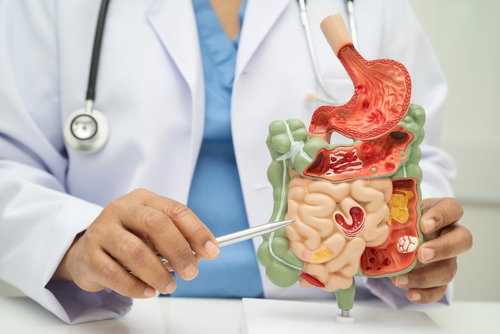
Incorporating plant protein into your diet is an effective strategy for weight control. High in fiber, plant-based proteins increase feelings of satiety, which can significantly reduce snacking and overall calorie intake. Additionally, protein helps preserve muscle mass during weight loss, which is essential to ensure your metabolism burns calories at rest. Excellent sources of plant protein offer a combination of fiber, fewer calories and essential gut nutrients
Fiber is a key component of plant-based foods that aids in long-term weight management. It slows down digestion and stabilizes blood sugar levels, keeping you feeling full for longer periods and curbing hunger cravings. Plus the bulk added to meals helps reduce overall calorie intake naturally. Moreover, increasing your protein intake causes the body to burn more calories during digestion, a process known as the “thermic effect of food,” while maintaining the lean muscle mass necessary for a better metabolic rate.
Why protein-forward, low-carb nutrition includes the right vegetables...
Non-starchy vegetables are a powerhouse for metabolic health. Options like leafy greens (spinach, kale), cruciferous veggies (broccoli, cauliflower), and peppers provide a high volume of food with low calories and carbohydrates. Because they are rich in fiber, water, and essential nutrients, they help stabilize blood sugar levels and manage appetite without spiking insulin. This keeps your body in a state that favors fat metabolism over fat storage, which is one of the key ways these vegetables support metabolism.
“At Metabolic Research Center, our approach is protein-forward and low-carb*—but that doesn’t mean vegetables are off the table. The right non-starchy vegetables play a critical role in metabolic health, gut function, and sustainable fat loss.”
Dana McKeen, CEO & Regional Director
A diverse gut microbiome is a powerful ally in managing unintended weight gain. These beneficial microbes assist with nutrient absorption and help reduce inflammation throughout the body. Furthermore, a healthy gut flora can directly influence appetite regulation and fat storage, playing a crucial but often overlooked role in maintaining a healthy weight. Research suggests that replacing processed meats with plant-based alternatives can lead to improved body composition with more fat loss and better blood glucose levels.
How Plant Protein Boosts Results
Incorporating plant protein into your diet is a powerful strategy for weight control as it boosts satiety. Thanks to high fiber content, plant-based foods slow down digestion and reduce cravings. During intake this keeps you feeling fuller for longer, making it significantly easier to maintain a calorie deficit without the constant hunger associated with dieting. Additionally, because non-starchy vegetables are low in calorie density, you can enjoy a larger volume of food while still consuming fewer calories.
Beyond simply suppressing appetite, plant protein plays a crucial role in maintaining your metabolic health. Adequate protein intake is essential for minimizing muscle loss while you shed fat. However, preserving this lean muscle mass is vital because it supports a faster metabolism, allowing your body to burn more fat at rest. Furthermore, the fiber in plant foods stabilizes blood sugar levels by preventing the spikes and crashes that trigger sudden hunger pangs, ensuring your energy levels remain steady throughout the day.
Recent studies from 2024 and 2025 highlight that plant proteins are just as effective as animal proteins for nourishment, but may offer superior benefits for body composition and insulin resistance. Replacing animal protein with plant-based alternatives has been shown to decrease fat mass and improve blood sugar levels, partly due to the lower intake of specific amino acids found in meat. For optimal results looking ahead to 2026, focus on a protein-forward menu plan that’s rich in whole, minimally processed foods.
Metabolic Roles for Good Gut Health
Your gut microbiome is a complex ecosystem of over 100 trillion microorganisms living within your digestive system. These tiny residents play a crucial role in maintaining your overall health by metabolizing food, a process central to converting nutrients into energy and fuel for your cells via catabolism and anabolism. By prioritizing nutrient-dense plants over processed options, you can more effectively manage your weight while benefiting from essential vitamins, minerals, and antioxidants. Here’s how it works:
- Energy Extraction and Storage – For those on a low-carb diet, protein forward vegetables are crucial for maintaining gut balance. Fiber-rich choices, including onions, garlic, zucchini, and asparagus, feed beneficial gut bacteria and promote regularity. For more advice, you can check out the American Diabetes Association's non-starchy vegetable guide. Additionally, spicy options containing capsaicin can trigger fat-burning for converting food into fuel.
- Production of Short-Chain Fatty Acids – Short-chain fatty acids are powerful metabolic byproducts created when your gut bacteria ferment dietary fiber. While the relationship between SCFAs and weight is complex, common compounds (acetate, propionate, and butyrate) generally help prevent weight gain by boosting metabolism and promoting fat burning. They play a crucial role in appetite regulation by triggering satiety hormones like PYY and GLP-1 that signal your brain that you are full.
- Immune System Modulation and Inflammation – Maintaining a strong immunity requires a holistic approach to your health. It starts with habits like eating a balanced diet, getting quality sleep, exercising regularly, and managing stress. Avoiding smoking and excessive alcohol, as well as maintaining a healthy weight, are also critical, as obesity is linked to compromised immune function. Interestingly, your gut health plays a starring role, as it works with your immune system to fight off pathogens.
- Bile Acid Metabolism – Bile acid metabolism plays a significant role in weight management. It starts in the liver, where cholesterol is converted into primary bile acids and released into the small intestine to break down dietary fats and absorb vitamins. From there, gut bacteria transform these acids into secondary bile acids, which are powerful chemical signaling molecules that influence glucose and lipid metabolism. But, disruptions (dysbiosis) can lead to fat storage and metabolic inefficiencies.
- Nutrient and Drug Metabolism – Understanding the complex, bidirectional relationship between your diet, medications, and gut health is essential for overall wellness. But the influence gut flora extends far beyond digestion; these bacteria play a critical role in how your body processes common medications, including drugs like metformin and GLP-1. This interaction is a two-way street where medications can alter your microbiome and gut bacteria can simultaneously impact a drug's effectiveness.
According to the Centers for Disease Control and Prevention, nearly 75% of American adults are overweight or obese. While factors like diet, sleep, and sedentary behavior are well-known contributors, the gut microbiome is emerging as a critical piece of the puzzle. This complex ecosystem of microorganisms acts much like a standalone organ, playing a vital role in metabolism, immune function, and insulin sensitivity. In fact, the gut microbiome composition often looks different in lean individuals compared to those with obesity.
_____________________
*Protein-First: How Low-Carb Vegetables Support Weight Loss
While your gut’s initial composition is shaped at birth, it is your lifestyle choices and aging throughout adulthood that defines the day-to-day function of your microbiota. To cultivate a microbial ecosystem that supports long-term weight management, we start by focusing on a holistic (whole person), but uniquely personalized (individual needs) approach that has been developed over several decades of applying the latest science for weight control. Plus, unlike plant-based diets, our approach prioritizes protein to preserve lean mass.
To better support your gut flora, a weight loss coach at MRC will help you design a menu plan that features “protein-forward, low-carb nutrition” with non-starchy, fiber rich vegetables that are micro-nutrient dense to aid microbial balance for better metabolic health and wellness. Your gut also plays a crucial role in how bacteria activate, inactivate, or create toxic byproducts from medications. This interaction is especially important for those using GLP-1 weight loss medications or blood glucose regulators, as gut bacteria can impact bioavailability.
In addition, Metabolic Research Center can assist with your body’s specific needs for probiotics and prebiotics, as well as other weight-related supplementation that may be needed due to specific health issues. Reducing stress, getting adequate sleep, and exercising regularly also promote a healthy gut microbiome. Whether you prefer a prescriptive medical weight loss plan or select a more traditional approach for healthy living, our team can help you identify the best options for maintaining a healthy gut microbiome.
By submitting this form, you agree to receive marketing text messages from us at the number provided, including messages sent by autodialer. Consent is not a condition of any purchase. Message and data rates may apply. Message frequency varies. Reply HELP for help or STOP to cancel. View our Privacy Policy and Terms of Service.