Do GLP-1 Agonists Boost Metabolic Health?
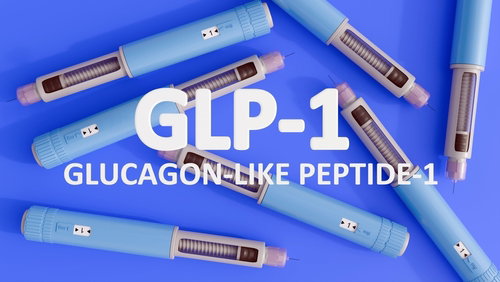
“Yes, glucagon-like peptide-1 incretin mimetics can improve whole body wellness.”
GLP-1 receptor agonists are synthetic versions of the glucagon-like peptide-1 hormone your body naturally produces in the small intestine after food intake. Because the natural hormone has an extremely short half-life of roughly two minutes, this breaks down too quickly to be used as a medication. That’s why pharmaceutical versions have been modified with longer half-lives to sustain their effects and boost metabolic health and wellbeing.
But, not everyone can safely use GLP-1 medications. So, before prescribing the drug, a professional provider evaluates your full medical history, reviews your current list of medications, and calculates your body mass index (BMI) to see if you meet either weight-related health condition: a BMI of 30 or higher (classified as obesity) or a BMI of 27 or higher with at least one weight-related condition, such as high blood pressure or type 2 diabetes.
Beyond weight control, clinical evidence shows GLP-1 medications can lower the risk of heart attack, stroke, kidney failure, and fatty-liver disease. These receptor agonists target brain receptors to lessen food noise and decrease addictive cravings. Emerging preclinical and clinical research suggests GLP-1 drugs interact with dopamine and serotonin pathways that help to decrease depression and improve overall mood. Contraindications include pregnant or breastfeeding women, people with a history of pancreatitis, type 1 diabetics, and adults with a family history of medullary thyroid cancer or multiple endocrine neoplasia.
Is tirzepatide more effective than single-action GLP-1 drugs?
Tirzepatide is a dual-action receptor agonist that targets both GLP-1 (glucagon-like peptide-1) and GIP (glucose-dependent insulinotropic polypeptide) receptors simultaneously, making it distinct from single-action GLP-1 medications like semaglutide or liraglutide. Clinical trials have, however, demonstrated that tirzepatide can produce an average weight loss in excess of 20% in some patients, which is a slightly higher rate than many single-action alternatives. In addition to substantial weight loss, a recent study found that tirzepatide significantly reduced breathing interruptions during sleep, suggesting meaningful improvements in sleep quality for eligible patients who suffer from obstructive sleep apnea. Nonetheless, single-action GLP-1 medications may even work best for patients seeking a more established, widely studied options with a longer track record.
What happens to fat when GLP-1 triggers weight loss?
When a GLP-1 receptor agonist creates an energy deficit, your body responds by releasing hormonal signals to trigger fat breakdown (lipolysis). Stored fat is released into the bloodstream as fatty acids and glycerol, which travel to energy-burning tissues (such as muscles) where lipids are burned for fuel. While the body prioritizes carbohydrates for short-term energy bursts, fatty lipids provide a more sustainable energy reservoir. Gram for gram, fat delivers roughly double the energy released by carbohydrates and proteins during fasting, rest, or physical activity. Although there is no GLP-1 medication that allows for true spot reduction of belly fat visceral deposits of abdominal fat are metabolically active and respond to improved insulin sensitivity for meaningful reductions in waist circumference and deeply-stored internal deposits surrounding organs.
How can I naturally activate GLP-1 gut hormone?
Yes. GLP-1 is a gut hormone your body naturally produces and releases in the small intestine after eating. However, its natural half-life of approximately two minutes means it breaks down too quickly to sustain meaningful appetite regulation without pharmaceutical support. Slower eating habits, including more chews and smaller bites, have been shown to increase a GLP-1’s response and curb food intake earlier during food intake. But, several metabolic factors influence how effectively a GLP-1 medication increases your feelings of fullness to reduce overall calorie intake. Nonetheless, foods that naturally stimulate incretin mimetics include lean sources of animal or plant proteins, healthy monosaturated and omega-3 fats, low-glycemic fiber-rich whole foods, and fermented probiotics.
Can eating habits and sequencing influence GLP-1 stimulation?
Yes, you eating habits and macronutrient sequencing can stimulate the GLP-1 receptor agonist you’re prescribed. Because the gut-brain axis is the primary bidirectional pathway your body uses to trigger hormonal release across metabolic pathways, GLP-1 follows a circadian rhythm with higher levels during daylight and evening hours than overnight. Lifestyle misalignment with your personal rhythm can alter hormonal chemical signaling, which may affect both your food choices and overall intake. Concentrating calorie intake and food consumption to only daylight hours also aligns with natural GLP-1 peaks and prioritizing the order in which foods are consumed (protein-first) stabilizes blood sugar responses as well.
Frequently Asked Questions About GLP-1 Meds
Q: How long does it take to see results from a GLP-1 medication?
A: Results vary by individual, medication type, dose, and lifestyle factors. Many patients begin noticing reduced appetite within the first few weeks, while meaningful weight loss typically becomes measurable over several months of consistent treatment.
Q: Are GLP-1 medications safe for long-term use?
A: GLP-1 receptor agonists have undergone decades of clinical research and trials before receiving FDA approval. Long-term safety data continues to grow, particularly for cardiovascular and renal benefits. A qualified professional provider will need to monitor your progress and adjust treatment as needed.
Q: What happens to weight after stopping a GLP-1 medication?
A: Weight regain is a documented risk after discontinuing GLP-1 therapy, particularly without sustained dietary and behavioral lifestyle changes. Protein-forward eating habits, regular physical activity, and ongoing medical supervision are strongly recommended to maintain results.
_______________________
Despite the myths and misconceptions common on social media, the clinical science behind GLP-1 medications is well-established. Determining the best GLP-1 receptor agonist to improve your metabolic health and wellbeing depends on your medical history, family genetics, individual goals for healthy living, insurance coverage, and personal preferences (e.g. - needle aversion). To identify the GLP-1 option that best fits your medical profile, schedule a free consultation at MRC to review your options with a licensed professional. At Metabolic Research Center Northwest Indiana, our goal is to provide the GLP-1 support needed to create a customized program that preserves crucial muscle mass, limits the common side effects of using a GLP-1 receptor agonist, and produces the changes your body needs for sustainable weight control.
By submitting this form, you agree to receive marketing text messages from us at the number provided, including messages sent by autodialer. Consent is not a condition of any purchase. Message and data rates may apply. Message frequency varies. Reply HELP for help or STOP to cancel. View our Privacy Policy and Terms of Service.