What Determines How GLP-1 Meds Are Prescribed?
“A patient’s medical history and the doctor’s diagnosis set the first-line options for prescribing GLP-1 receptor agonists.”
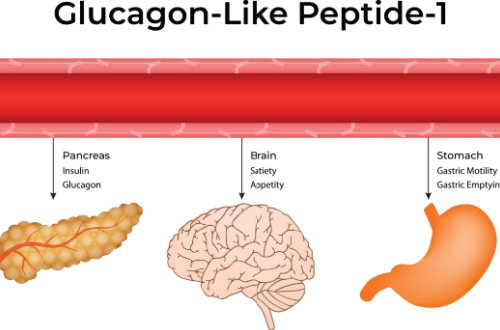
Glucagon-like peptide-1 is a natural hormone produced in the gut that helps lower blood sugar, slow digestion of food, and signal fullness to the brain. On the other hand, GLP-1 receptor agonists are a pharmaceutical group of injectable or oral medications that mimic the natural hormone and are prescribed by doctors to treat Type 2 diabetes and obesity, as well to lower the risk of cardiovascular disease (strokes or heart attacks) and kidney failure in high-risk patients.
GLP-1 incretin mimetics tell the pancreas to release more insulin when blood sugar levels rise and they trigger the pancreas produce glucagon in the alpha cells during fasting, exercise or between meals when blood sugar levels drop. So, glucagon works opposite of insulin and actually lowers sugar in the bloodstream. Higher dosages of GLP-1 medications aid weight management and help lower hemoglobin A1c (HbA1c), which is used to track how a person manages their blood sugar.
Sugar in your blood attaches to hemoglobin, which is the protein in red blood cells that carries oxygen. Because red blood cells live for about three months, lab work shows the long-term average of your blood sugar levels instead of just a daily snap shot. So, anytime your doctor needs lab work, you do not need to fast or stop eating for any period of time before being tested for HbA1c. Diabetes is usually diagnosed at 6.5% A1c and above 9.0% suggests high-risk of damage to eyes, kidneys, nerves and the heart that requires immediate medical attention.
Are oral GLP-1s a non-peptide incretin mimetic?
Yes and no. There are oral GLP-formulations that doctors can prescribe for treating high blood sugar and chronic weight management that are traditional peptide-versions of GLP-1 (semaglutide). The once-daily pill is approved for weight management and cardiovascular risk reduction and the daily oral tablet was specifically approved to improve blood sugar control in adult patients with type 2 diabetes. However, the first non-peptide GLP-1 receptor agonist approved to treat obesity is orforglipron developed by Eli Lilly as the first small-molecule incretin mimetic that is easier to digest and can be taken with or without food.
Are there people who can’t take GLP-1 agonists?
Yes. There are individuals who are strictly contraindicated for GLP-1 medications. This group includes those with a personal or family history of medullary thyroid carcinoma or genetically linked to Multiple Endocrine Neoplasia syndrome type 2, and those with known allergies to its active or inactive ingredients. Use of a GLP-1 receptor agonist should be discontinued one to two months prior to planned pregnancy and avoided while breastfeeding. In addition, conditions that require extreme caution includes a history of pancreatitis, severe gastrointestinal disease, kidney impairment, or diabetic retinopathy.
Why have many older adults stopped taking GLP-1 for weight loss?
There are differing reasons why more elderly people decide to stop taking GLP-1 medications like semaglutide or tirzepatide. For some, it is due to high out-of-pocket costs or the loss of insurance coverage. Moreover, seniors on a fixed budget may struggle to make a long-term commitment once their coverage ends. Medicare Part D rules block coverage for standalone treatments for weight loss alone, but a temporary pilot program called the Medicare GLP-1 Bridge may provide specific drugs for a fixed $50 monthly copay through December 2027. Nonetheless, Part D plans may cover GLP-1s prescribed for diabetes or heart risk.
Are brand name GLP-1s better than compounded receptor agonists?
Although naturally-produced glucagon-like peptide-1 and synthetic GLP-1 receptor agonists act on the GLP-1 pathway for regulating metabolism, only a select few brand-name drugs have FDA-approval for use in type 2 diabetes and/or chronic weight management. Plus, to date only brand name incretin mimetics like semaglutide and tirzepatide have received FDA’s blessing for weight loss. Compounded GLP-1s were temporarily approved during a recent shortage but have a different purpose based on a given patient’s specific needs that are documented by a doctor and mixed by an approved compounding pharmacy.
Over-the-Counter GLP-1 Boosters vs Nutritional Support
GLP-1 supplementation generally falls into one of two specific categories. For starters, there are over-the-counter GLP-1 boosters that are non-prescriptive pills or powders that claim to naturally enhance your body’s own production of glucagon-like peptide-1 in the gut. These are usually available as a botanical or probiotic blend and the FDA does not strictly test nor regulate dietary supplements for efficacy, which means most claims lack the rigorous phases of clinical testing required for FDA-approval as a medication.
Often referred to as “Mother Nature’s Ozempic”, berberine is widely talked about supplement that may boost natural production and release of glucagon-like peptide-1 into the gut after food intake to slow digestion and signal appetite reduction. This plant compound appears to lower blood sugar levels, improve insulin sensitivity, and may mildly boost release of the natural hormone. Psyllium husk is a popular soluble fiber supplement that promotes feelings of fullness by slowing the emptying of food from the stomach to the intestinal tract.
Do over-the-counter supplements differ in how they work compared to prescription GLP-1 receptor agonists? Well, yes they do. In early studies, berberine, which is not a GLP-1 receptor agonist, utilizes an enzyme that helps manage how your body handles energy sources (sugar and fat) using different metabolic pathways, but human studies do indicate small changes in body size. However, natural supplementation does not result in substantial weight loss that was documented in clinical trials using prescription GLP-1 medications.
_________________________
GLP-1 medications are pharmaceutically-manufactured receptor agonists that work as an incretin mimetic to stabilize blood sugar, eliminate food cravings, and increase feelings of fullness in the same way as the glucagon-like peptide-1 gut hormone that is naturally released by your body. However, the effects of GLP-1 medications last many times longer. Currently, a doctor reviews your medical history to rule out contraindications enroute to a clinical diagnosis that determines the best GLP-1 formulation to prescribe for your treatment regimen. At Metabolic Research Center New Smyrna Beach, our goal is to provide the GLP-1 support needed to create a customized program that preserves crucial muscle mass, limits the common side effects of using a GLP-1 receptor agonist, and produces the changes your body needs for sustainable weight control.
By submitting this form, you agree to receive marketing text messages from us at the number provided, including messages sent by autodialer. Consent is not a condition of any purchase. Message and data rates may apply. Message frequency varies. Reply HELP for help or STOP to cancel. View our Privacy Policy and Terms of Service.