Is Retatrutide the Best Weight Loss Drug?
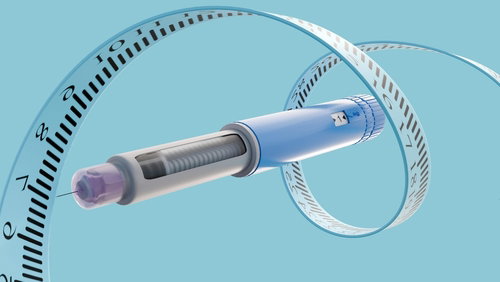
“Retatrutide has helped people lose up to 30% of their body weight in clinical trials but is currently investigational in status.”
Because retatrutide is still in clinical trials as a triple-hormone receptor agonist with a safety profile that is not yet FDA-approved, it’s status is still evolving. Similar to other popular incretin mimetics, issues involving gastrointestinal distress are the most widely reported side effects. In fact, up to 60% of participants in these early trials reported nausea or vomiting when taking higher doses. Since it too slows digestion, fatigue, diarrhea or constipation are common.
A unique neurological skin effect called dysesthesia has been observed in clinical trials with participants taking retatrutide for chronic weight management. Up to 21% of patients on the highest dosages reported abnormal skin sensations, including tingling, burning, or “pins and needles.” Clinical data from Phase 3 trial evaluations say it is dose dependent when the highest 12 mg dose is prescribed. But, issues did resolve once medication was stopped.
During clinical trials, scientists noted dose-dependent increases in some participants resting heart rate of about 5 to 10 beats per minute. The higher resting rate peaked around week-24 before starting to decline. Plus, increases in heart rhythm irregularities were also documented. Like other GLP-1 RAs, the Triple-G receptor agonist also carries preclinical warnings regarding risks of thyroid C-cell tumors seen in animal models. Nonetheless, it is currently illegal to sell or to purchase research-grade retatrutide for other uses.
What Lifestyle Adjustments Does Retatrutide Require?
Retatrutide is currently only available through registered clinical trials, as it remains an investigational medication. For participants already using diabetes medications—such as insulin or metformin—or those on existing GLP-1 prescriptions, retatrutide may increase the risk of hypoglycemia. Physicians may need to adjust existing prescriptions accordingly before or during participation.
Some trial volunteers have reported mild fatigue or dizziness, which appears to be related to reduced caloric intake rather than the drug itself. Since retatrutide promotes satiety and naturally lowers appetite, the following practical steps can help manage side effects:
- Less Food - Eat smaller, low-fat meals throughout the day
- More Water - Stay well-hydrated to prevent dehydration
- But.. Eat - Avoid skipping meals, which can contribute to dizziness and low energy
These adjustments are not unlike those recommended for patients on other GLP-1 therapies.
How Does Retatrutide Compare to Bariatric Surgery?
Retatrutide may offer a compelling, less-invasive alternative to bariatric surgery for appropriate patients. Bariatric surgery remains one of the most effective interventions for significant weight loss, but it is also highly invasive and requires lasting lifestyle changes post-operation to sustain results.
For individuals who are surgery-averse, or who are unwilling or unable to commit to the lifestyle changes that bariatric surgery demands, triple-hormone medications like retatrutide may be a better fit. A key distinction is reversibility: patients who stop responding well to retatrutide, or who experience unwanted side effects, can simply discontinue the medication—an option that is not available after surgical intervention.
That said, retatrutide is not a direct replacement for bariatric surgery in all cases, and individual suitability should always be determined by a qualified healthcare provider.
Does Retatrutide Have the Similar Side Effects as Semaglutide?
Retatrutide shares many side effects with existing FDA-approved GLP-1s like semaglutide and dual-action GLP-1/GIP medications like tirzepatide. Early clinical trial data suggests that the most common side effects are gastrointestinal in nature, including mild to moderate nausea, vomiting, diarrhea, and constipation—consistent with what patients typically experience on GLP-1s.
However, retatrutide does present two notable side effects not commonly associated with other incretin mimetics:
- Dysesthesia – An abnormal burning or tingling sensation in the skin that appears to increase at higher doses.
- Elevated heart rate – A dose-dependent increase of approximately 5 to 10 beats per minute, which appears to peak around six months before gradually declining.
Like all incretin mimetics, retatrutide also slightly elevates the risk of pancreatitis, gallbladder issues, and hypoglycemia.
Can Retatrutide Help People Who Didn't Respond to Other GLP-1 Medications?
Retatrutide shows significant clinical promise for patients who did not respond to traditional GLP-1 or GLP-1/GIP medications. In Phase 2 clinical trials, 100% of participants taking a dose of 8mg or higher lost at least 5% of their body weight—a meaningful benchmark in obesity treatment.
Researchers attribute this broader efficacy to retatrutide's unique triple-action mechanism. Unlike single or dual-action GLP-1 drugs that primarily suppress appetite and reduce food intake, retatrutide's glucagon receptor activation also prompts the body to mobilize stored fat for energy, effectively increasing calorie burn. This multi-pathway approach makes it a compelling option for individuals with obesity or metabolic disorders who have not seen adequate results from existing medications.
What Are the Broader Health Benefits of GLP-1 Medications?
Beyond weight loss and blood sugar control, GLP-1 receptor agonists and dual-action GLP-1/GIP incretin mimetics—such as semaglutide and tirzepatide—offer a wide range of systemic health benefits. As retatrutide builds on the same pharmacological foundation, researchers expect it to deliver similar, if not broader, benefits. These include:
- Significant weight loss – Patients commonly experience meaningful reductions in body weight, often accompanied by improvements in metabolic markers such as Hemoglobin A1c.
- Improved overall health – GLP-1 medications are prescribed to treat weight-related conditions including high blood pressure and pre-diabetes, and can make it easier for patients to adopt sustainable lifestyle habits.
- Metabolic organ protection – Incretin mimetics reduce metabolic stress on vital organs, helping to address insulin resistance, visceral fat accumulation, and non-alcoholic fatty liver disease.
- Reduced addictive cravings – Emerging research suggests that GLP-1 receptor agonists may have neurological benefits, including potential reductions in addictive behaviors such as substance use, along with a decreased risk of degenerative conditions like Alzheimer's disease.
- Reduced systemic inflammation – Independent of fat loss, GLP-1 drugs demonstrate anti-inflammatory effects that may benefit vascular health, joint function, and conditions like osteoarthritis and obstructive sleep apnea.
It is worth understanding the underlying biology here: when cells stop responding to insulin—a condition known as insulin resistance—the pancreas compensates by producing more insulin. This cascade can stimulate the liver to generate additional visceral and adipose fat deposits, worsening metabolic health. GLP-1 medications interrupt this cycle at multiple points.
_______________________
At the annual meeting of the American Diabetes Association, Eli Lilly presented results from a late-phase clinical trial of retatrutide during the recent New Orleans convention. Trial participants lost an average of approximately 30% of their body weight—around 70 pounds—making it one of the most effective pharmacological weight loss interventions studied to date. Since Phase 3 studies still need peer review and FDA approval of the triple-action incretin mimetic for weight management, the manufacturer is targeting late 2026 to mid-2027 for its pharmaceutical release. At Metabolic Research Center Lakewood, our goal is to provide the GLP-1 support needed to create a customized program that preserves crucial muscle mass, limits the common side effects of using a GLP-1 receptor agonist, and produces the changes your body needs for sustainable weight control.
By submitting this form, you agree to receive marketing text messages from us at the number provided, including messages sent by autodialer. Consent is not a condition of any purchase. Message and data rates may apply. Message frequency varies. Reply HELP for help or STOP to cancel. View our Privacy Policy and Terms of Service.