How the Nighttime Hormone Impacts Metabolism
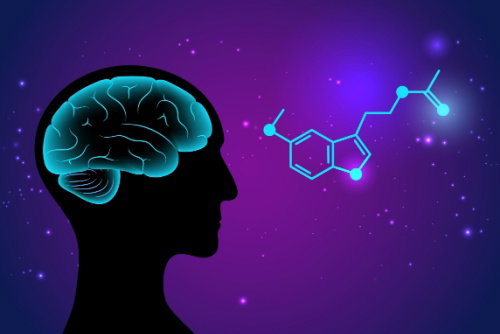
“Melatonin’s Role in Fat Burning and Insulin Sensitivity”
Metabolism is not just a single bodily function. It is the sum of all chemical reactions in the body that are dividing into opposing but simultaneous processes for breaking down molecules in order to release energy (catabolism) and using energy to build structures like muscle (anabolism). Most importantly, metabolism involves hundreds of pathways that maintain metabolic health.
Melatonin, on the other hand, acts as a chrono-biotic that regulates timing of energy usage. When evening rolls around and melatonin levels rise, it signals your body to shift into rest mode. During nighttime, melatonin actively lowers your insulin sensitivity to stop glucose from entering your cells. This temporary insulin resistance allows your body to prioritize burning stored fat for energy while you sleep. Think of it as a master clock that regulates exactly when and how your body uses energy throughout the day and night.
A protein-forward diet is a great way to support your sleep because it provides tryptophan, an essential amino acid your body uses as a building block for serotonin and melatonin. However, eating protein also introduces other amino acids that compete with tryptophan to cross the blood-brain barrier. To help tryptophan win this race, experts recommend pairing your protein with whole-food, non-starchy carbohydrates. Carbs trigger an insulin release that diverts the competing amino acids into your muscle cells, clearing a direct path for tryptophan to enter the brain. Just remember that timing is everything.
So, how does melatonin impact fat storage?
Ultimately melatonin acts as a double-edged sword for your metabolic health. Melatonin normally encourages your body to burn fat rather than store it. Through a process called "browning", it converts white adipose tissue that stores energy into brown fat that can burn energy. By boosting the activity of this brown adipose tissue, melatonin increases your overall energy expenditure and helps reduce fat accumulation over the long term. However, there is a catch. Melatonin levels naturally peak at night, which is a time when your body shifts into a "storing" mode. Because of this, eating late at night when melatonin is high significantly increases the likelihood that those extra calories will be stored as fat. But, the impact on your fat storage heavily depends on when melatonin is active in your system, as well as your overall health status.
Nutritional Strategies That Support Melatonin
Nutrition isn't just about losing unwanted weight gain. What you eat and when is a vital component of getting the rest you need at night. That is why your MRC coach will work with you one-on-one to help restore the quality sleep your body craves. Our goal is to help you incorporate foods at during the correct circadian cycles that will naturally support your body’s melatonin production, such as tart cherries, pistachios, walnuts, eggs, and fish. Plus, to improve sleep quality, you can boost the intake of tryptophan-rich protein and magnesium.
At MRC Lakewood, our nutritional strategies for healthy weight control focus on personalized menu plans. That’s why we emphasize protein-forward meals paired with low-carb, non-starchy vegetables and healthy fats to ensure you’re getting the balance of protein and prebiotic fiber your body needs. By cutting back on overly processed foods with added sugars and salt, you will consume nutrient-dense meals that help to reset essential metabolic functions. But, due to its light sensitivity, timing is everything.
So, when consuming melatonin-rich foods or taking melatonin supplements, try to avoid heavy digestion from certain foods right before bedtime by favoring low-glycemic carbs. It is also highly recommended to reduce or eliminate your intake of nicotine, caffeine, and alcohol in the evening, as these substances can easily disrupt your body's sensitive melatonin production. And always remember that melatonin hormone is simply meant to signal darkness, so your brain can better regulate your circadian rhythms rather than force sleep instantly.
_______________________
Supporting metabolic function involves a synergistic combination of dietary choices, routine physical activity, and restorative lifestyle habits. Not surprisingly, recent research suggests that adopting a combined healthy lifestyle, rather than just focusing on a single factor, can significantly reduce the risk of metabolic syndrome and supports optimal energy processing, but managing insomnia and getting quality sleep at night is crucial for sustainable weight control. If you’re struggling to sleep, contact Metabolic Research Center Lakewood today. One of our weight loss coaches will be in touch to discuss how you can get a good night’s sleep and still enjoy the weight loss benefits of a protein-first, low carb diet. After all, the quality of sleep you get isn’t just about getting through your daily grind; your gut-brain-melatonin axis is directly linked to increased risk of heart disease, high blood pressure, diabetes, kidney disease, stroke, and obesity.
*NOTE: Generally speaking, melatonin supplementation should be avoided by pregnant or breastfeeding women, those with autoimmune disease, or individuals taking immunosuppressants, blood thinners, or certain blood pressure medications.
By submitting this form, you agree to receive marketing text messages from us at the number provided, including messages sent by autodialer. Consent is not a condition of any purchase. Message and data rates may apply. Message frequency varies. Reply HELP for help or STOP to cancel. View our Privacy Policy and Terms of Service.