How Incretin Hormones Regulate Metabolism
“Visit MRC Lakewood to Learn More About Enhancing Insulin Secretion”
GLP-1 is an incretin hormone produced in the gut by your body to regulate both blood sugar levels and appetite, whereas GLP-1 receptor agonists are synthetic medications that mimic the effects of the natural hormone to provide longer lasting effects when managing weight loss for obese or overweight individuals who also suffer with weight-related medical conditions. Agonists do, however, slow gastric emptying and increase insulin with greater efficacy than GLP-1.
When naturally produced by the body, this peptide hormone plays an important role in maintaining healthy metabolic function. GLP-1 is broken down in minutes by an enzyme and both bind to the same receptors, but agonists do so for a longer period with more effective results. The main difference between the naturally-produced hormone and the agonist is one occurs without you knowing, while the agonist is manufactured to enhance the natural hormone’s effects.
Due to its longer lasting punch, GLP-1 medications (like semaglutide or tirzepatide) have significantly greater impact on body mass index (BMI), as it promotes substantially more weight loss. In fact, clinical studies suggest these prescriptive weight loss medications are highly effective for reducing unintended weight gain and fat deposits in obese and overweight men or women, by acting as an appetite suppressant that can reduce your overall daily food intake.
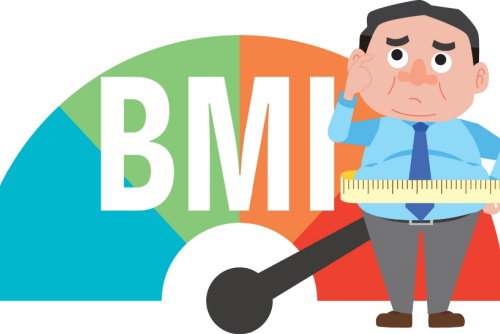
BMI qualifying for GLP-1 medical weight loss treatment...
The U.S. Food & Drug Administration (FDA) requires healthcare professionals to use body mass index thresholds to determine eligibility, because of GLP-1s ability to positively impact an overweight individual’s body composition. These revolutionary new medications that are much stronger than the hormones naturally released by the gut, delay gastric emptying of food into the digestive system, signal satiety to the brain, and reduce overall calorie intake by making you feel full sooner and keeping you feeling that way for a longer period of time. Generally speaking, an obese individual has a BMI equal to or greater than 30 and someone who is overweight qualifies with a BMI equal to or greater than 27. Since many men and women lose muscle mass quickly following a reduction in food intake, experts recommend combining medical weight loss treatments with favorable lifestyle changes and personalized menus to ensure extra fat loss over the loss of energy-burning muscles.
PROTEIN FIRST MENUS TO IMPROVE BODY MASS INDEX
Protein-first is a dietary strategy that increases satiety, curbs cravings for high-calorie comfort foods, and supports muscle maintenance while losing unintended weight gain to improve your Body Mass Index. That’s because nutrient-dense staples stabilize BMI and preserve muscle. When an adult male or female wants to lose weight while maintaining critical muscle mass, they should focus on creating a personalized menu plan filled with quality lean proteins combined with fiber-rich, low-carb vegetables and healthy fats like avocado and olive oil.
Daily protein intake is necessary as the human body does not store protein for future use in the same way it stores fat or glycogen (carbs). Protein pacing is a nutritional strategy aimed at optimizing metabolism through the strategic consumption of the macronutrient throughout the day at regular intervals rather than overloading consumption in a given meal. Excess dietary protein is not kept as a reserve and is converted to sugar or fat, or simply excreted when not used. If the body does not get enough protein, it may breakdown muscle for amino acids.
To improve your body mass index, focus on creating a menu plan filled with lean, nutrient-dense protein sources like chicken breasts, fatty fish like salmon or tuna, farm-fresh eggs, Greek yogurt, and whole food options, such as lentils, tofu, cottage cheese, and nuts or seeds packed with healthy fats. Plus, to adjust your BMI in a favorable manner, pair your protein intake with simple strength training using resistance workout bands that are inexpensive and offer a portable, joint-friendly workout by providing constant tension throughout exercise routines.
____________________
Glucagon-like peptide-1 hormone functions as a critical chemical messenger with signals in the Gut-Brain Axis between your digestive tract and central nervous system. As a key metabolic regulator, it directly influences the secretion of other digestive and energy processing hormones. In example, GLP-1 activates sensory nerves in the gut to transmit satiety signals directly to your brain. If you’re trying to decide whether a prescription-based weight loss plan or a more holistic metabolic weight loss program is right for you, contact MRC Lakewood today. One of our weight loss coaches will be in touch to discuss how hormone imbalances, genetic factors and key lifestyle habits may have slowed your metabolism and led to unintended weight gain. After all, hormonal balance can be restored and disrupted metabolic rates can be reset with a personalized approach.
By submitting this form, you agree to receive marketing text messages from us at the number provided, including messages sent by autodialer. Consent is not a condition of any purchase. Message and data rates may apply. Message frequency varies. Reply HELP for help or STOP to cancel. View our Privacy Policy and Terms of Service.