Which Lifestyle Habits Boost GLP-1 Adherence?
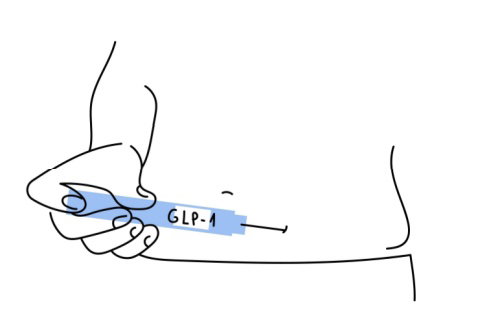
“Working one-on-one with a coach helps define your body’s unique needs.”
GLP-1 receptor agonists have become one of the most talked-about tools in chronic weight management and for good reason. These medications mimic naturally-released gut hormones to regulate blood sugar and reduce appetite by prompting the pancreas to release insulin when needed and slowing digestion to keep you feeling full for longer. But here's what often gets overlooked. Weight loss is driven largely by the result of daily calorie deficits. So, what you eat, how you move, and how consistently you take your medication still matter more than ever.
Adherence is another critical piece of the GLP-1 puzzle. But, adjusting what you do is one thing; understanding why you do it, and designing the right conditions to do it consistently is another. Since nutrition and exercise both play a major role in making receptor agonists work best for your body, personalized strategies are needed to protect lean muscle mass, preserve bone density, and build the kind of lasting habits that make GLP-1 RAs more effective. So, one-on-one support can make the difference between quick results and lasting change.
Lifestyle interventions like implementing personalized protein-forward menus for both meals and snacks can improve GLP-1 medication adherence, making your weight management plans easier to follow by turning them into daily habits. After all, personalized meals reduce decision fatigue by aligning food choices with a patient's preferences and dietary needs. On the other hand, adding resistance band training can increase strength and protect lean muscle tissue from being lost during extended periods of less calorie intake and rapid weight loss.
Are there natural ways to increase GLP-1 benefits?
Yes, but your weight loss journey shouldn’t be about quick fixes. It is about establishing lifestyle habits that you can consistently follow as part of your medical weight loss plan. Moreover, whether you’re prescribed a glucagon-like peptide-1 drug or are following a more holistic approach, natural or pharmaceutical GLP-1 benefits can be optimized by what you put on your plate and your commitment to increasing your non-exercise physical activities each day. For example, protein triggers fullness (satiety) hormones to make you feel full longer to reduce your overall caloric intake, and parking further away from the front door at work or the mall naturally can reduce stress and improve sleep. So, eating soluble fiber, lean protein, and healthy fats, exercising regularly, and improving gut health with fermented foods can naturally support your body’s production of GLP-1 hormones. Although the jury is still out on natural GLP-1 supplements like berberine, medically-based therapies for chronic weight management often work best when paired with healthy food choices and better lifestyle habits.
Can certain foods mimic GLP-1 naturally?
Yes. Since your body regularly produces its own GLP-1 hormone in the gut after eating, there are certain whole foods, fibers, and plant-based compounds that also trigger receptors in the cells naturally. That said, nothing can currently replace the much longer-acting pharmaceutical strength of an FDA-approved injectable GLP-1 receptor agonist like semaglutide or tirzepatide to reduce hunger and stabilize blood sugar levels. Protein-forward foods like eggs, fish, chicken, and soy stimulate L-cells in your intestine to secrete the hormone. Monounsaturated and omega-3 fats found in olive oil, avocados, and fatty fish also support GLP-1 pathways. Moreover, soluble and fermentable sources of high-fiber found in oats, barley, chia sees, flaxseeds, beans, and lentils allow healthy gut bacteria to break down food into short-chain fatty acids that can trigger the release of GLP-1 hormone naturally. Supplement-wise, berberine is a plant-based extract that activates metabolic enzymes and has been dubbed on social media platform’s as “nature’s Ozempic”. In animal models, an active ingredient in turmeric (curcumin) has shown an ability to boost GLP-1 hormone in the body.
Does GLP-1 receptor agonist reverse insulin resistance?
Yes, GLP-1 receptor agonist medications can significantly improve insulin resistance in some patients, but they do not offer a permanent "cure" or standalone reversal if the medication is stopped. They improve how your body handles blood sugar and responds to insulin through multiple physiological actions. Reducing fat mass, especially harmful visceral fat around abdominal organs, directly makes muscle and liver cells more responsive to insulin. Plus, by slowing digestive processes, GLP-1s curb glucose output from the liver to reduce constant metabolic stress on your cells to lower systemic inflammation. This, in turn, prompts your pancreas to release insulin, but only when blood sugar levels are too high. However, it is important to note that improvements in insulin sensitivity only last for as long as you take a GLP-1 incretin mimetic.
What’s a good breakfast to boost GLP-1 adherence?
Combining healthy sources of lean animal and plant-based proteins with unsaturated fats that support brain function and reduce heart risks, and slow-digesting complex carbohydrates creates a good breakfast to prevent sharp blood sugar spikes by keeping insulin levels steady. Most experts recommend a steady input of protein throughout the day (protein pacing) as this critical macronutrient curbs appetite, boosts energy and preserves critical muscle mass. Excellent high-protein breakfast food options include a veggie-packed (spinach, mushrooms, tomatoes, onions) omelet with avocado slices, plain Greek yogurt with fresh berries and walnuts, or scrambled eggs with avocado on a slice of sprouted-grain toast.
_______________________
Being prescribed a GLP-1 medication for chronic weight management should be appreciated as a great tool to help jumpstart your medically-supported weight loss journey. But, sustainable weight control has a lot to do with working one-on-one with your support staff to ensure your body’s unique needs are being met. When you work one-on-one with your support team to personalize a protein-forward menu plan, it makes it easier to tolerate the drug’s side effects and stick to the treatment plan long-term. Making these critical lifestyle adjustments helps to guarantee the GLP-1 adherence needed to get the job done. At Metabolic Research Center Lake Oswego, our goal is to provide the GLP-1 support needed to create a customized program that preserves crucial muscle mass, limits the common side effects of using a GLP-1 receptor agonist, and produces the changes your body needs for sustainable weight control.
By submitting this form, you agree to receive marketing text messages from us at the number provided, including messages sent by autodialer. Consent is not a condition of any purchase. Message and data rates may apply. Message frequency varies. Reply HELP for help or STOP to cancel. View our Privacy Policy and Terms of Service.