Protein First to Manage Metabolic Syndrome
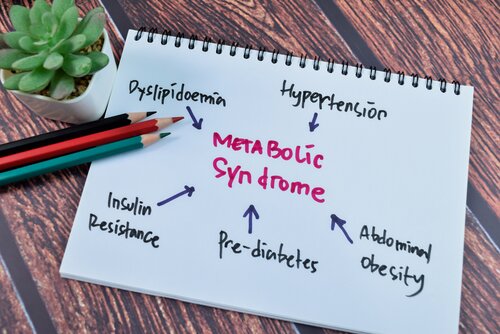
Adopting a "protein-forward" diet is increasingly recognized as a powerful tool for managing metabolic syndrome. By prioritizing protein intake, individuals often see significant improvements in weight management, insulin sensitivity, and lipid profiles. However, this approach isn't simply about eating more meat; the quality of the protein is paramount. Research suggests that emphasizing plant-based sources alongside lean animal options like fish and poultry yields the strongest metabolic health benefits.
The effectiveness of this diet lies in how protein interacts with the body's metabolism. Non-starchy plant protein induces greater feelings of fullness compared to refined carbs that naturally lead to high calorie intake. Furthermore, consuming keto-friendly veggies acts as a buffer, slowing the absorption of glucose into the bloodstream and preventing the sharp insulin spikes that exacerbate metabolic syndrome. Protein intake is critical for preserving lean muscle mass during weight loss that helps maintain resting energy expenditure.
Why protein-forward, low-carb nutrition includes the right vegetables...
For optimal gut health, look for vegetables that offer a combination of plant-based protein and prebiotic fiber to fuel beneficial gut bacteria. If your goal is fat loss and improved insulin sensitivity, prioritize high-fiber, low-carb options. Leafy greens like spinach, kale, and chard are excellent choices, alongside cruciferous vegetables such as broccoli, cauliflower, and Brussels sprouts. Spinach is particularly noted for its potential to reduce visceral fat, while bitter gourd contains compounds that mimic insulin.
“At Metabolic Research Center, our approach is protein-forward and low-carb*—but that doesn’t mean vegetables are off the table. The right non-starchy vegetables play a critical role in metabolic health, gut function, and sustainable fat loss.”
Dana McKeen, CEO & Regional Director
Staying keto doesn't mean sacrificing gut health. Hydrating low-carb vegetable options like cucumber, celery, and zucchini are also excellent for providing prebiotics and antioxidants without disrupting ketosis. Ideally, aim for vegetables that grow above ground and contain less than 5 grams of net carbs per 100g serving. Add keto-friendly vegetables to feed beneficial gut bacteria and prevent blood sugar spikes. Fermented foods are another powerful tool for keto dieters and a potent probiotic source for metabolic health and wellness.
Plant Proteins Help Fuel Recovery
Plant proteins play a significant role in fueling microbiome recovery by providing essential nutrients that animal proteins often lack. Unlike animal sources, plant proteins, such as those found in leafy vegetables, come naturally packaged with prebiotic fiber and polyphenols. These compounds act as direct fuel for beneficial gut bacteria like Bifidobacterium and Lactobacillus, helping to increase their abundance and foster a diverse, resilient microbial community.
When these complex fibers reach the colon, they are fermented by gut bacteria into short-chain fatty acids, such as butyrate. SCFAs are crucial for gut health as they serve as a primary energy source for colon cells, strengthen the gut barrier, and regulate immune responses. Additionally, plant proteins contain specific amino acids like glutamine and aspartate, which support the regeneration and repair of the intestinal mucosa.
By shifting fermentation away from pro-inflammatory pathways often associated with high animal protein intake, plant-forward diets help create a healthier gut environment. They are naturally lower in saturated fats and rich in anti-inflammatory phytochemicals and antioxidants, which mitigate inflammation caused by exercise or disease. Ultimately, incorporating diverse plant-based foods leads to a more diverse microbiome, which is a key indicator of overall gut health.
Gut Flora’s Role for Metabolic Health
Gut flora profoundly impacts metabolic health and well-being by extracting energy from food intake, producing vital compounds like short-chain fatty acids, training your immune system, regulating feel-good hormones like serotonin, and influencing gut-brain axis communication. Unfortunately, imbalances (dysbiosis) is linked to obesity, insulin resistance and harmful inflammation. While beneficial metabolites promote balance, diet intake is key to managing your microbial ecosystem for better metabolic health.
Here’s how it works:
- Energy Extraction and Storage – Since totally relying on red or overly processed meats can negatively impact metabolic outcomes, experts recommend that you maximize the benefits of plant proteins focus on the timing of intake rather than just the volume. Since protein is constantly needed for cellular repair and signaling functions, any excess is converted to lipids or used for fuel, but a daily deficiency can cause your body to break down muscle for amino acids.
- Production of Short-Chain Fatty Acids – When your gut bacteria break down fiber that your body can't digest, they produce powerful compounds called short-chain fatty acids, such as acetate, propionate, and butyrate. These metabolites act as the primary fuel for the cells lining your colon, keeping your gut barrier strong, and help regulate blood sugar and insulin sensitivity. Furthermore, SCFAs play a key role in weight management by triggering satiety hormones like GLP-1 and PYY that signal fullness.
- Immune System Modulation and Inflammation – Maintaining a strong immune system goes beyond just dodging the cold & flu season; it requires a holistic approach to your lifestyle. Not surprisingly, one of your immune system's biggest allies for managing inflammation is your gut. Key habits like eating a balanced diet, getting quality sleep, exercising regularly, and managing stress are foundational for supporting your body’s defense system, as is avoiding smoking or excessive alcohol consumption.
- Bile Acid Metabolism – Bile acid metabolism acts as a critical regulator of body weight, functioning not just as a digestive aid but also as a sophisticated hormonal signaling system that controls energy expenditure and hunger. Produced in the liver from cholesterol, primary bile acids are released into the intestinal tract to facilitate the absorption. Once this task is complete, gut bacteria transform them into secondary bile acids that are powerful signaling molecules to help regulate fat and sugar metabolism.
- Nutrient and Drug Metabolism – Your enteric nervous system is key to regulating intestinal motility, neurons, and hormones like ghrelin and motilin. Interestingly, your gut microbiome acts as a "tiny but mighty factory" in the digestive system that breaks down complex fiber and produces essential nutrients such as vitamins and amino acids. Through various reactions, gut bacteria can activate, inactivate, or alter the toxicity of drugs for bioavailability of treatments like metformin and GLP-1.
Generally speaking, your gut flora serves as a critical metabolic organ that maintains systemic homeostasis through several key pathways. For that reason, research continues to emphasize your microbiota’s fundamental role in energy metabolism and regulation, immune responses, and overall physical and psychological well-being. Moreover, an altered microbial profile, such as higher Firmicutes to Bacteroidetes ratio of bacteria is linked to increased energy harvesting, added calorie absorption, and a higher BMI (body mass index).
_____________________
*Protein-First: How Low-Carb Vegetables Support Weight Loss
While your gut’s initial composition is shaped at birth, it is your lifestyle choices and aging throughout adulthood that defines the day-to-day function of your microbiota. To cultivate a microbial ecosystem that supports long-term weight management, we start by focusing on a holistic (whole person), but uniquely personalized (individual needs) approach that has been developed over several decades of applying the latest science for weight control. Plus, unlike plant-based diets, our approach prioritizes protein to preserve lean mass.
To better support your gut flora, a weight loss coach at MRC will help you design a menu plan that features “protein-forward, low-carb nutrition” with non-starchy, fiber rich vegetables that are micro-nutrient dense to aid microbial balance for better metabolic health and wellness. Your gut also plays a crucial role in how bacteria activate, inactivate, or create toxic byproducts from medications. This interaction is especially important for those using GLP-1 weight loss medications or blood glucose regulators, as gut bacteria can impact bioavailability.
In addition, Metabolic Research Center can assist with your body’s specific needs for probiotics and prebiotics, as well as other weight-related supplementation that may be needed due to specific health issues. Reducing stress, getting adequate sleep, and exercising regularly also promote a healthy gut microbiome. Whether you prefer a prescriptive medical weight loss plan or select a more traditional approach for healthy living, our team can help you identify the best options for maintaining a healthy gut microbiome.
By submitting this form, you agree to receive marketing text messages from us at the number provided, including messages sent by autodialer. Consent is not a condition of any purchase. Message and data rates may apply. Message frequency varies. Reply HELP for help or STOP to cancel. View our Privacy Policy and Terms of Service.