Deactivated Liver Gene Boosts Metabolism
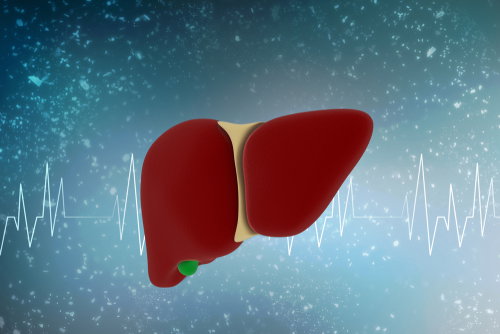
Recent cellular research at the University of Southern Denmark (SDU) shed light on a switching technique to reverse how the liver regulates energy sources during fasting periods. This study focused on suppressing the plasmalemma vesicle-associated protein (PLVAP or PV-1) gene and to influencing the liver’s transition in mice to continue burning carbohydrates rather than oxidizing fat during fasting.
Normally, the liver adjusts metabolic processes during fasting by conserving carbohydrates and utilizing fat as an energy source, a mechanism commonly known as the “starvation mode,” as part of the body’s fight-or-flight mechanism. While this adaptation was originally crucial for survival, today it often hinders weight-loss efforts by slowing metabolism via weight-loss plateaus.
Remarkably, this altered metabolic response had no negative effects on the overall health of the mice as fatty acids were redirected to skeletal muscles, so their carbohydrate metabolism remained fully elevated. These findings open doors for overcoming the frustrating challenge of plateaus by keeping the liver's calorie-burning process active during periods of reduced daily food intake.
NOTE: The University of Southern Denmark’s PLVAP study on metabolism was initially published in the journal Cell Metabolism. The team of research scientists included Daniel Hansen, Jasmin Jensen, Christian Andersen, Peter Jakobsgaard, Jesper Havelund, Line Lauritsen, Samuel Mandacaru, Majken Siersbæk, Oliver Shackleton, Jonathan Brewer, Blagoy Blagoev, Nils Færgeman, and Kim Ravnskjær (all from SDU). Collaborators from Japan, the USA, and Finland. Danish scientists suggest that targeting the PV-1 gene could be key to overcoming common barriers by offering new hope for those with significant weight-loss goals.
How Cells Trigger Metabolic Changes
Previously associated primarily with endothelial cell function for managing blood flow, oxygen transport, and inflammation, the PV-1 gene has now been found to play a critical role in liver metabolism. Researchers discovered that the gene helps the liver adapt to fasting states by switching its energy source from carbohydrates to stored fat. This process, which takes place in hepatic stellate cells, is vital for maintaining energy balance during calorie-restricted periods.
However, when the PV-1 gene was deactivated in mice, their livers no longer recognized fasting states and continued burning carbohydrates instead of transitioning to fat-burning. Surprisingly, this metabolic disruption did not result in negative health effects for the mice and the implications of the findings will likely extend well beyond shedding unwanted pounds. Manipulating the gene could improve other chronic weight-related metabolic conditions.
In addition, by enhancing metabolic efficacy in the liver of humans, it could boost the results of using prescription receptor agonists, such as MRC’s compounded weight meds, by complementing the appetite-suppressing effects with improved energy regulation at the cellular level. Indeed, counteracting the body’s natural energy conservation mechanisms of glucose would offer a dual approach to sustain steady weight loss for obese or overweight individuals who need to lose more significant amounts of weight.
Kickstart Your Journey for Weight Control
Breakthroughs in weight loss medications have transformed the way obesity and weight-related health conditions are managed. Weekly injectables, such as receptor agonists, have become a game-changer, offering hope to those who have struggled with traditional weight loss methods like diet and exercise alone. Designed to mimic natural hormones in the body, drugs curb hunger and slow gastric emptying, making it easier to maintain a calorie deficit without constant hunger pangs and feeling deprived.
Science-backed programs, like those offered by the Metabolic Research Center for more than 35 years, can now integrate medications into personalized weight loss plans for those who qualify. The recent breakthrough in Denmark points to cellularly regulating the PLVAP gene as a potential solution to overcoming weight loss plateaus by sustaining higher metabolic rates. This could unlock innovative treatments to further enhance the results of incretin mimetics by offering renewed hope for those facing long-term obesity challenges.
If you're ready to take charge of your health, the experienced team at MRC is here to help. Visit us today at the medical weight loss clinic Tigard to see how our experienced team of weight-loss professionals can help you reach your goals for healthy living. All it takes is a quick email or phone call to learn more about MRC’ science-backed approach to sustainable weight management. So, don’t forget to schedule a free consultation, as your first step toward restoring your metabolic health and wellness.
By submitting this form, you agree to receive marketing text messages from us at the number provided, including messages sent by autodialer. Consent is not a condition of any purchase. Message and data rates may apply. Message frequency varies. Reply HELP for help or STOP to cancel. View our Privacy Policy and Terms of Service.