Gut Brain Axis Inhibits Fat Gain
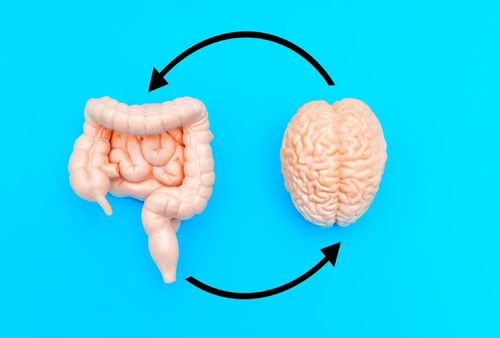
The gut-brain axis plays a powerful role in preventing fat gain by managing your body's energy balance. Think of it as a communication highway involving nerves, hormones, and gut bacteria that helps regulate your appetite, fat storage, and calorie burning. The gut-brain axis is bidirectional and naturally inhibits fat gain, primarily through satiety signals that are released from the gut to the brain via the vagus nerve. Beneficial gut flora influenced by fiber-rich vegetables lead to better energy regulation by boosting metabolism and blocking fat storage.
When you eat, your gut releases specific hormones like GLP-1 and Peptide YY that tell your brain to dial down hunger and slow digestion. Meanwhile, a healthy balance of gut flora help to keep gut inflammation low, which is crucial because inflammation is a common driver of weight gain. Through these wandering pathways, gut microbe signals speak directly to your brain, which has connections to organs like your heart and lungs to regulate parasympathetic systems, which constantly work to keep energy harvesting and appetite in check.
Why protein-forward, low-carb nutrition includes the right vegetables...
Gut cells detect fats, carbs and proteins. When it comes to preventing fat gain, non-starchy, high-fiber vegetables are your best friends. Leafy greens like spinach, kale, and lettuce, alongside cruciferous powerhouses like broccoli, cauliflower, and Brussels sprouts, are excellent choices. Other options such as zucchini, asparagus, and peppers help promote fullness and reduce insulin spikes while offering essential nutrients. Specifically, broccoli and cauliflower contain sulforaphane to support metabolism and reduce chronic inflammation linked to weight gain.
“At Metabolic Research Center, our approach is protein-forward and low-carb*—but that doesn’t mean vegetables are off the table. The right non-starchy vegetables play a critical role in metabolic health, gut function, and sustainable fat loss.”
Dana McKeen, CEO & Regional Director
On the flip side, refined carbohydrates and added sugars are the biggest culprits for belly fat accumulation. Foods like soda, candy, white bread, pastries, and sugary cereals are essentially "empty calories." Because they lack fiber and nutrients, they cause rapid spikes in blood sugar and insulin, signaling your body to store visceral fat, particularly in the abdominal region. The real enemy is highly processed preparations, such as fried starchy vegetables. Stick to whole, non-starchy options to keep your metabolism supported and inflammation low.
Nutrient Sensing Triggers Neurotransmitters
Have you ever wondered why a certain meal changes your mood or focus? It starts with a process called nutrient sensing. Specialized cells in your body act as detectors, scanning for dietary components like glucose, amino acids, and fatty acids. Once detected, these nutrients don't just fuel your body; they act as signals. They trigger the synthesis and release of vital neurotransmitters and chemical messengers like serotonin and dopamine that directly influence how you think, feel, and behave.
This communication happens largely through the vagus nerve, which serves as a physical "hardwire" connecting your gut to your brain. The specific mechanics of this signaling are fascinating with specialized neuropod cells in the intestine detecting glucose and rapidly release glutamate to signal the brain via the vagus nerve. Interestingly, this isn't a top-down command center, as up to 90% of the nerve fibers are sensory, meaning they send updates from the gut to the brain. These signals provide real-time data on fullness, inflammation, and nutrient levels, ensuring your brain is constantly aware of your metabolic state.
The gut is often called your "second brain" for good reason. A high intake of protein provides the brain with amino acid precursors like tryptophan and tyrosine that are the building blocks for serotonin and dopamine, proving that what you eat provides the raw materials for your brain's chemical balance. Approximately 90–95% of the body's serotonin is produced right there in the digestive tract. While this serotonin helps regulate digestion, it also activates the vagus nerve to modulate mood and stress responses. Beyond serotonin, your gut also produces other neuroactive chemicals like GABA and dopamine.
Microbiome Maintains Energy Homeostasis
In 2026, health experts emphasize that while diet is critical, fat gain is also heavily influenced by hormonal and behavioral factors. Key lifestyle elements that affect how the body stores and utilizes fat include how cortisol triggers the body to store visceral fat deep in the abdomen surrounding internal organs. Inactivity and prolonged sitting are independent risk factors for weight gain, as it leads to a shift in substrate use toward carb burning that can reduce fat oxidation. Here’s how maintaining homeostasis works:
- Energy Extraction and Storage – Non-starchy veggies high in fiber increases the thermic effect of food, which means your body must work harder to burn more calories in order to digest them in your gut. Secondly, since they are low in starch, they help to prevent insulin spikes by stabilizing blood sugar levels due to encouraging your body to burn fat rather than to store it as unintended weight gain. To easily incorporate this into your routine, aim to fill half your plate with a variety of these non-starchy options.
- Production of Short-Chain Fatty Acids – When you consume a diet rich in fiber, you aren't just aiding digestion; you are feeding the beneficial bacteria in your gut. Through a process called anaerobic fermentation, these bacteria break down indigestible fiber to produce powerful metabolites known as short-chain fatty acids. These compounds fuel cells lining your colon, strengthen the gut barrier, and regulate cholesterol and synthesizing fats to help control weight.
- Immune System Modulation and Inflammation – From birth, your gut microbiome works to train and regulate your body's defenses. However, when this delicate ecosystem falls out of balance (a condition known as dysbiosis), it can weaken the gut barrier, allowing toxins to leak into the bloodstream. This process triggers inflammation and can impair how your body uses insulin, potentially leading to metabolic diseases. Ultimately, your gut isn’t just about digestion; it’s a critical shield for metabolic health.
- Bile Acid Metabolism – Bile acid metabolism plays a significant role in weight management by influencing how your body absorbs fat and regulates energy. The process begins in the liver, where cholesterol is converted into primary bile acids. These acids travel to the small intestine to break down dietary fats and absorb essential vitamins. Once there, gut bacteria transform them into secondary bile acids, which serve as powerful signaling molecules that regulate glucose and lipid metabolism.
- Nutrient and Drug Metabolism – The enteric nervous system is a powerhouse when it comes to regulating intestinal motility and orchestrating a complex dance between smooth muscles, neurons, and hormones like ghrelin and motilin. But it doesn't work alone; your gut flora acts as a tiny but mighty factory, breaking down complex fiber that your body can't handle on its own. Crucially, your microbiome influences how you process medications, such as metformin or GLP-1 weight loss drugs.
A functional gut-brain axis ensures that the brain remains sensitive to leptin, which is the long-term satiety hormone from fat cells. However, a "leaky gut" can cause inflammation that leads to leptin resistance that makes your brain think the body is starving even when fat stores are excessively high. Consider your vagus nerve to be an extremely high-speed bidirectional communication pathway between your gut and brain. This link transmits both mechanical signals like stomach stretching and chemical signals like nutrient availability directly the brain stem to inform the brain about your energy intake to reduce hunger.
_____________________
*Protein-First: How Low-Carb Vegetables Support Weight Loss
While your gut’s initial composition is shaped at birth, it is your lifestyle choices and aging throughout adulthood that defines the day-to-day function of your microbiota. To cultivate a microbial ecosystem that supports long-term weight management, we start by focusing on a holistic (whole person), but uniquely personalized (individual needs) approach that has been developed over several decades of applying the latest science for weight control. Plus, unlike plant-based diets, our approach prioritizes protein to preserve lean mass.
To better support your gut flora, a weight loss coach at MRC will help you design a menu plan that features “protein-forward, low-carb nutrition” with non-starchy, fiber rich vegetables that are micro-nutrient dense to aid microbial balance for better metabolic health and wellness. Your gut also plays a crucial role in how bacteria activate, inactivate, or create toxic byproducts from medications. This interaction is especially important for those using GLP-1 weight loss medications or blood glucose regulators, as gut bacteria can impact bioavailability.
In addition, Metabolic Research Center can assist with your body’s specific needs for probiotics and prebiotics, as well as other weight-related supplementation that may be needed due to specific health issues. Reducing stress, getting adequate sleep, and exercising regularly also promote a healthy gut microbiome. Whether you prefer a prescriptive medical weight loss plan or select a more traditional approach for healthy living, our team can help you identify the best options for maintaining a healthy gut microbiome.
By submitting this form, you agree to receive marketing text messages from us at the number provided, including messages sent by autodialer. Consent is not a condition of any purchase. Message and data rates may apply. Message frequency varies. Reply HELP for help or STOP to cancel. View our Privacy Policy and Terms of Service.