Debunking GLP-1 Myths and Misconceptions
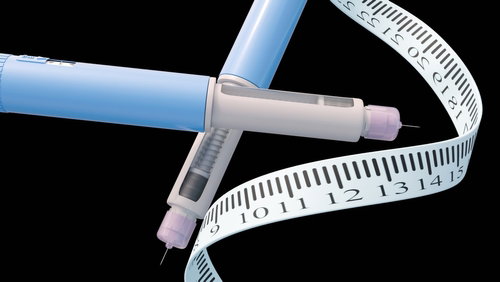
“Have GLP-1 receptor agonists been scientifically proven to promote significant weight loss?”
Yes the science behind both glucagon-like peptide-1, which is a natural gut hormone released in the small intestine after food intake, and GLP-1 medications is well documented. This vital chemical messenger slows the gastric emptying of food into the intestinal system to help control blood sugar, slowdown digestion, and tell your brain that you are full. Plus, when your blood glucose rises after a meal, it signals the pancreas to make more insulin and stops the liver from making more sugar by blocking a major metabolic hormone called glucagon.
GLP-1 hormones signal fullness to the brain to boost satiety and lower appetite to make you feel full sooner. Since it keeps food in your stomach longer, your body naturally absorbs sugar more slowly. However, unlike longer lasting synthetic versions of the drug, natural glucagon-like peptide-1 breaks down within minutes. But, high-protein meals and protein-forward snacks also trigger satiety pathways and regular exercise can improve your body’s natural GLP-1 baseline hormone levels.
Conversely, GLP-1 receptor agonists are prescription medications that mimic (but do not replace) the natural gut hormone to help control blood sugar, slow digestion, and reduce appetite. Formulations of these common incretin mimetics include liraglutide, semaglutide and tirzepatide. Large clinical studies show they help people lose significant body weight. The STEP clinical trials showed adults taking weekly semaglutide lost an average of about 15% of their body weight over 68 weeks. The SURMOUNT trials showed adults taking tirzepatide lost over 20% of their body weight on average.
Can women on HRT safely take GLP-1 receptor agonists?
In most cases, yes; but the form of hormone replacement therapy matters. Because GLP-1 RAs can cause gastrointestinal side effects that interfere with oral estrogen absorption, women on HRT are generally advised to use transdermal estrogen (patches or gels) rather than oral formulations when also taking a GLP-1 RA. Always consult a healthcare provider before combining medical treatments.
Will I lose muscle mass on a GLP-1 medication?
Some lean muscle loss is expected with significant weight loss on GLP-1 receptor agonists. Clinical studies suggest 25–40% of total weight lost may come from lean tissue rather than fat. The most effective strategies to counteract this are resistance training and a high-protein diet. Monitoring body composition with a healthcare provider can also help track and address muscle loss over time.
Are GLP-1 RAs being studied for cancer treatment?
Yes, GLP-1 receptor agonists are being actively studied for their potential role in reducing the risk of obesity-related cancers, including postmenopausal breast and endometrial cancers. The rationale centers on their ability to lower insulin levels, reduce inflammation, and promote fat loss, which are all factors linked to cancer progression. However, GLP-1s are not currently FDA-approved as cancer treatments.
How Do GLP-1 Myths Compare to GLP-1 Facts?
There are common misconceptions about GLP-1 medications being used for weight management, as well as helpful facts to know that can jumpstart your weight loss journey. In reality, patients prescribed glucagon-like peptide-1 drugs still need to maintain nutrition, physical activity, and make the lifestyle changes needed enroute to their target weight to achievable sustainable results after stopping GLP-1s or significantly reducing the ongoing dosing.
Myth #1 - Weren’t GLP-1 agonists meant for diabetes?
Fact: Specific formulations are FDA-approved explicitly for chronic weight management in individuals meeting health and BMI criteria, while others are approved for type 2 diabetes (or both).
Myth #2 - Don’t GLP-1s cause permanent damage to your stomach?
Fact: They slow down gastric emptying to promote fullness, which can cause temporary digestive side effects, but do not cause permanent organ paralysis or stomach damage in healthy users.
Myth #3 - Aren’t GLP-1s a "magic pill" for cheating to lose weight?
Fact: GLP-1 receptor agonists target underlying metabolic regulation, blood sugar, and appetite centers. But, they can require healthy nutrition and lifestyle habits to yield sustainable results.
Myth #4 - Don’t people instantly regain weight stopping GLP-1s?
Fact: Obesity is a chronic metabolic condition. While weight can return if old habits are resumed, discontinuation outcomes vary and depend heavily on a sustained plan for healthy living.
Myth #5 - Don’t GLP-1 RAs eliminate all hunger and appetite?
Fact: GLP-1 receptor agonists reduce "food noise" and curb appetite, increasing feelings of fullness. But, normal physiological hunger signals remain in tack as does the need to eat for basic nutrition.
Since your body still requires regular energy and nutrients as a basic biological need to function, the simple sight and smell of food can still spark a desire to eat, as can more negative triggers involving social eating, excess stress, or emotional triggers. This does, however, differ by person, dosage, and the elapsed time since their last injection or oral dose. Whereas almost all users notice a sharp drop in thoughts about food, hunger still returns whenever their body needs fuel.
__________________________
The first GLP-1 receptor agonist medication received FDA-approval for the treatment of type 2 diabetes in 2005. Nine years later, liraglutide became the first prescription GLP-1 daily injectable medicine approved for chronic weight management for adults with obesity or excess weight plus weight-related medical conditions. Moreover, the use of glucagon-like peptide-1 medications has exploded over the past dozen years with multiple formulations like single-action (semaglutide) and dual-hormone (tirzepatide). In addition, oral GLP-1 have been released in pill form, which now includes orforglipron (Foundayo) as the first small-molecule, non-peptide once-daily oral option. At Metabolic Research Center Durham, our goal is to provide the GLP-1 support needed to create a customized program that preserves crucial muscle mass, limits the common side effects of using a GLP-1 receptor agonist, and produces the changes your body needs for sustainable weight control.
By submitting this form, you agree to receive marketing text messages from us at the number provided, including messages sent by autodialer. Consent is not a condition of any purchase. Message and data rates may apply. Message frequency varies. Reply HELP for help or STOP to cancel. View our Privacy Policy and Terms of Service.