How GLP-1 Regulators Boost Fat Loss & Metabolism
“Visit MRC Champaign-Urbana for More About the Benefits of Incretins”
GLP-1 (glucagon-like peptide-1) is a natural hormone that acts as a receptor agonist by binding to and activating GLP-1 receptors in the lower gut. It is one of two metabolic hormones released by the gut into the bloodstream after eating to stimulate insulin secretion to manage blood sugar levels. GLP-1 weight loss medications are a stronger version of the natural hormone that inhibits glucagon release, promotes insulin secretion, and increases feelings of fullness.
Glucose-dependent insulinotropic polypeptide (GIP) is another incretin, but it is secreted in the “upper gut” to stimulate insulin secretion and aids in fat storage. Since incretins are glucose-dependent, they only increase insulin levels when blood glucose is elevated, which reduces risk of hypoglycemia. Thus, the clinical significance of semaglutide (GLP-1) and tirzepatide (GLP-1/GIP) that are quickly broken down by enzymes is extended using prescriptive pharmaceuticals.
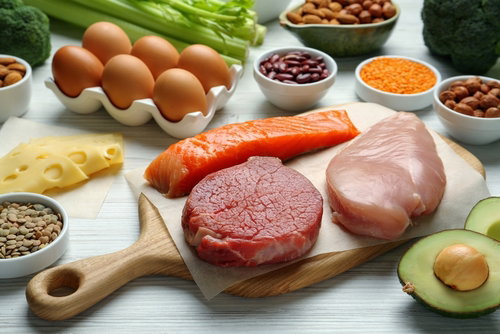
So, how do you naturally increase (specifically GLP-1) incretin hormones? For starters focus on consuming lean sources of proteins, low-glycemic whole foods that are fiber-rich, and healthy fats like omega-3s or olive oil to stimulate gut nutrient sensors. Incorporating fermented foods for gut health, exercise regularly to boost metabolic signaling, and eating mindfully (more slowly without distractions) can help trigger satiety hormones to avoid overeating.
What is the incretin effect of food intake?
The incretin effect of food intake is a phenomenon that is driven by GLP-1 and GIP gut hormones that are released during digestion to manage post-meal or post-snack glucose levels. More specifically, even when blood sugar levels are identical, oral food intake triggers a much stronger (50 to 70% more) as compared to intravenous glucose administration. Best of all, this incretin effect is responsible for the disposal of most ingested sources of glucose, which makes it essential for maintaining healthy glucose tolerance. Conversely, in individuals with metabolic disorders like obesity or type 2 diabetes where their incretin effect of food intake is significantly reduced, it leads to increased blood sugar spikes and poorer overall blood sugar control. This therapeutic value has been capitalized upon as many type 2 diabetes medications work by mimicking these incretin receptor agonists to restore the natural mechanism.
PROTEIN FORWARD FOOD INTAKE TO REGULATE STORAGE
Creating a protein-forward menu plan, or using a protein-first approach for food intake, helps manage fat storage by increasing metabolic efficiency to trigger satiety hormones like GLP-1, while reducing the production of hunger hormones like ghrelin. Both the dietary intake and consuming protein first at meal time can leverage the higher thermic effect of food (TEF) to burn more calories at rest, maintain lean muscle tissue, and prevent excess calorie intake from overeating. Try to shoot for optimal intake during calorie restriction and resistance training.
Protein is a unique macronutrient in that it cannot be stored by the body like carbs or fat, so consumption works best when it is spread throughout the day. Nonetheless, your body naturally burns more energy to digest animal or plant-based proteins. A healthy intake of lean protein naturally triggers release of hormones like peptide YY (PYY) and glucagon-like peptide-1 following food intake. Adequate consumption each day helps ensure your weight loss comes from fat and not muscle, which keeps your basal metabolic rate higher.
Combining lean sources of protein (fatty fish, skinless chicken, tofu) with fiber-rich, non-starchy vegetables (like leafy greens, asparagus, broccoli, spinach, and garlic) is great to feed beneficial gut bacteria and manage fat storage. Although no single food can reduce visceral fat by itself, pistachios are a nutritional powerhouse that stands out for their fats that are known to improve lipid profiles for healthier cholesterol levels and less insulin resistance. On the other hand, sugary drinks and refined carbs are the worst food options for managing belly fat.
____________________
Incretin hormones like GLP-1 and GIP are produced in the gut in response to food intake and prompt your pancreas to release insulin. Whether naturally produced or pharmaceutically created, it acts as an agonist by binding to receptors on various tissues in the brain and gastrointestinal tract. By stimulating insulin and suppressing glucagon, it immediately slows digestion and increases feelings of fullness to limit daily food intake. If you’re trying to decide whether a prescription-based weight loss plan or a more holistic metabolic weight loss program is right for you, contact MRC Champaign-Urbana today. One of our weight loss coaches will be in touch to discuss how hormone imbalances, genetic factors and key lifestyle habits may have slowed your metabolism and led to unintended weight gain. After all, hormonal balance can be restored and disrupted metabolic rates can be reset with a personalized approach.
By submitting this form, you agree to receive marketing text messages from us at the number provided, including messages sent by autodialer. Consent is not a condition of any purchase. Message and data rates may apply. Message frequency varies. Reply HELP for help or STOP to cancel. View our Privacy Policy and Terms of Service.