The Role of Melatonin and Resetting Your Clock
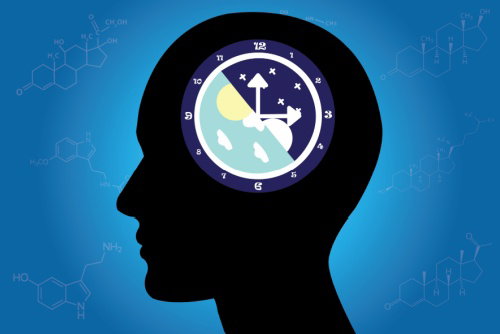
“Internal Circadian Rhythms, Metabolism and Food Cravings”
Melatonin, often called the "hormone of darkness," does more than just help you sleep. It acts as a master regulator of your circadian rhythm by signaling when it's time to rest, lowering your core body temperature, and managing metabolic activity throughout the day and night. But, you might not know that melatonin plays an active role in weight management. While it's not a substitute for diet and exercise, research suggests it can be a helpful tool for sustainable weight control.
Your body's internal clock relies on light and darkness to function properly. Darkness triggers melatonin production, preparing your body for sleep, while light stops production of this key hormone to keep you alert. When this rhythm gets disrupted, whether through shift work, late-night screen time, or midnight snacking, it can lead to serious metabolic consequences, including obesity, diabetes, and cardiovascular problems.
A protein-forward diet is essential for sleep because it provides the raw materials your body needs to produce melatonin. When you pair this with low-carb, non-starchy vegetables like leafy greens, avocados, and broccoli, you create the perfect recipe for a restful night. These vegetables are packed with magnesium, which promotes muscle relaxation, some veggies even contain natural traces of melatonin. Unlike high-carb or sugary meals that cause blood sugar spikes and fragmented sleep, these nutrient-dense options keep your blood glucose steady.
How to reset your internal clock...
Melatonin directly affects fat-storing adipose tissue. It helps convert white adipose tissue into metabolically-active beige adipose tissue through a process called "browning." This conversion is significant because it impacts your energy expenditure and overall metabolic balance. If you want to optimize melatonin's benefits for metabolism and weight management, consider these strategies:
- Light Exposure: Get morning sunlight to help reset your internal clock and stop melatonin production to reset the cycle.
- Darkness Management: Avoid blue light at night from screens and mobile devices at least a couple of hours before bed to allow melatonin to rise.
- Circadian Consistency: Maintain a consistent sleep schedule that supports natural melatonin production while at rest.
- Meal Timing: Avoid late-night meals that can disrupt your metabolism and increase cravings that interfere with your nighttime resting state.
- Environmental Factors: To support the natural drop in body temperatures maintain a cool bedroom that coincides with melatonin release.
By consistently aligning daily habits with your body's natural rhythms, you can harness melatonin's power to support healthier metabolism and weight management. Conversely, low levels of melatonin from poor sleep increase annoying food cravings, especially for unhealthy high-carb, high-fat foods that disrupt your body’s metabolic efficiency for processing energy and storing fat.
Melatonin’s Role in Metabolic Phases
Melatonin does more than just help you sleep; the darkness hormone naturally splits your day into two distinct metabolic phases that include an active feeding phase during low melatonin and a fasting phase during rest with increased melatonin levels. This is actually a protective mechanism that prevents your blood sugar from dropping too low while you fast overnight. However, this also means that eating late at night, when melatonin is elevated, can impair your body's ability to process glucose effectively.
At night, when melatonin levels are naturally high, your body enters a state of temporary insulin resistance. Beyond blood sugar regulation, melatonin also influences how your body stores and burns fat. It promotes the "browning" of white fat into beige fat, which is a type of fat that burns more energy to produce heat through a process called thermogenesis. Additionally, melatonin helps regulate the breakdown of fats (lipolysis) and inhibits the production of new cholesterol in the liver.
Conversely, when melatonin drops, it may throw off other hormones as well. his hormonal shift can lead to cravings for high-calorie, sweet, or salty snacks. Additionally, melatonin deficiency may lower pH levels in the duodenum, stimulating the pancreas and ramping up your appetite. So, you have to avoid midnight snacking. Interestingly, research does show that melatonin might help curb "hedonic eating" where you eat for pleasure rather than actual hunger due to disruptions in the brain's reward and satisfaction centers.
_______________________
Melatonin levels should naturally rise in the evening to signal your master clock that it is time to sleep. Exogenous melatonin can be used to shift your sleep-wake cycles to reset your body’s clock by aligning with your organs to ensure tissues function in sync with your gut-brain axis to reduce snacking. But, nighttime disruptions can reduce insulin sensitivity and are linked to metabolic syndrome and unintended weight gain. If you’re struggling to sleep, contact Metabolic Research Center Bentonville today. One of our weight loss coaches will be in touch to discuss how you can get a good night’s sleep and still enjoy the weight loss benefits of a protein-first, low carb diet. After all, the quality of sleep you get isn’t just about getting through your daily grind; your gut-brain-melatonin axis is directly linked to increased risk of heart disease, high blood pressure, diabetes, kidney disease, stroke, and obesity.
*NOTE: Generally speaking, melatonin supplementation should be avoided by pregnant or breastfeeding women, those with autoimmune disease, or individuals taking immunosuppressants, blood thinners, or certain blood pressure medications.
By submitting this form, you agree to receive marketing text messages from us at the number provided, including messages sent by autodialer. Consent is not a condition of any purchase. Message and data rates may apply. Message frequency varies. Reply HELP for help or STOP to cancel. View our Privacy Policy and Terms of Service.