Why Is Retatrutide Called a Triple-G Agonists?
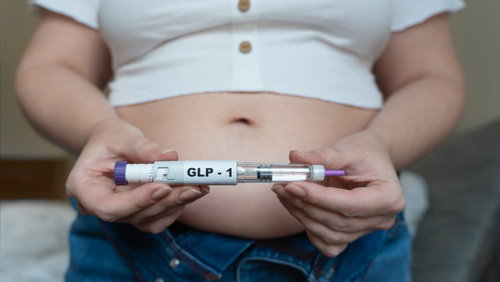
“It mimics GLP-1, GIP and also targets glucagon receptors to boost fat oxidation.”
So, what is retatrutide? Retatrutide is an investigational triple-hormone receptor agonist developed by Eli Lilly that simultaneously activates three hunger and metabolism-regulating receptors (GLP-1, GIP, and Glucagon). In late-phase clinical trials, participants lost an average of approximately 30% of their body weight (around 70 pounds) making retatrutide one of the most effective pharmacological weight-loss interventions studied to date.
Unlike single-action semaglutide (GLP-1 only) or dual-action tirzepatide (GLP-1 and GIP), retatrutide adds a third hormonal pathway for glucagon receptors, which instruct the body to increase calorie burn and mobilize stored fat. This multi-pathway mechanism is what sets retatrutide apart from all currently approved GLP-1 medications with its once-weekly injections under the skin that begins working in the body shortly after the initial injection with some noticing appetite reduction the first week.
However, researchers are still studying the long-term effects of these drugs on the body. Some concerns have been raised about potential side effects, such as pancreatitis or thyroid cancer. It is important for individuals taking these medications to communicate with their healthcare providers and closely monitor any changes in their health. As of 2026, retatrutide remains unapproved by the FDA and is only available through registered clinical trials, with a projected commercial release targeting late 2026 to mid-2027.
How does the Triple-G mechanism work?
Retatrutide is called a "triple-G" agonist because it activates three distinct hormone receptors, each beginning with the letter G. Together, these receptors regulate appetite, blood sugar, fat metabolism, and energy expenditure.
- GLP-1 (Glucagon-like peptide-1): Lowers appetite, slows gastric digestion, and stimulates insulin release.
- GIP (Glucose-dependent insulinotropic polypeptide): Works alongside GLP-1 to manage blood sugar and improve how the body processes fat.
- Glucagon (GCG): Signals the body to increase energy use, burn stored calories, and reduce fat accumulation in the liver.
Older weight-loss drugs like semaglutide target only GLP-1. Dual-agonists like tirzepatide target GLP-1 and GIP. Retatrutide's addition of glucagon receptor activation is designed to boost the body's calorie burn beyond what appetite suppression alone can achieve, which is a key reason researchers believe it may produce superior weight-loss outcomes.
What are broad health benefits of Triple-G medications?
Beyond weight loss, GLP-1 receptor agonists and dual-action GLP-1/GIP incretin mimetics like semaglutide and tirzepatide offer a wide range of systemic health benefits. As retatrutide builds on the same pharmacological foundation, researchers expect it to deliver similar, if not broader, benefits across multiple body systems.
- Significant weight loss: Meaningful reductions in body weight, often accompanied by improvements in metabolic markers such as improved Hemoglobin (HbA1c).
- Improved overall health: GLP-1 medications are prescribed for weight-related conditions including high blood pressure and pre-diabetes, and can make it easier for patients to adopt sustainable lifestyle habits.
- Metabolic organ protection: Incretin mimetics reduce metabolic stress on vital organs, helping address insulin resistance, visceral fat accumulation, and non-alcoholic fatty liver disease.
- Reduced addictive cravings: Emerging research suggests GLP-1 receptor agonists may carry neurological benefits, including reductions in addictive behaviors and a decreased risk of conditions such as Alzheimer's disease.
- Reduced systemic inflammation: Independent of fat loss, GLP-1 drugs have anti-inflammatory effects that may benefit vascular health, joint function, and conditions like osteoarthritis and obstructive sleep apnea.
When cells stop responding to insulin (a condition known as insulin resistance) the pancreas compensates by producing more insulin. This cascade can stimulate the liver to generate additional visceral and adipose fat deposits, worsening metabolic health and wellbeing. Triple-G medications interrupt this cycle at multiple points via the underlying three-hormone biology.
Frequently Asked Questions
Semaglutide activates one GLP-1 hormone receptor, while tirzepatide activates both GLP-1 and GIP, but retatrutide activates three (GLP-1, GIP, and Glucagon). The addition of the glucagon receptor is designed to increase calorie expenditure and fat mobilization beyond what the first two drugs can achieve.
Q: Is retatrutide as safe as other GLP-1s?
Retatrutide has not yet received FDA approval. While early clinical trial data shows a side effect profile similar to other GLP-1 medications, unique effects, including dysesthesia and elevated heart rate, have been observed. Preclinical warnings regarding thyroid C-cell tumor risk also apply. Safety data continues to evolve as Phase 3 trials progress.
Q: Can I buy retatrutide online?
No. Retatrutide is not approved for commercial sale. It is illegal to purchase or sell research-grade retatrutide outside of registered clinical trials. Eli Lilly is targeting late 2026 to mid-2027 for FDA approval and commercial release, pending completion of Phase 3 peer review.
Q: Who is the best candidate for retatrutide?
Based on current clinical trial data, retatrutide may be particularly beneficial for obese or overweight patients with metabolic disorders who have not responded to GLP-1 or GLP-1/GIP medications. However, candidacy should be determined by a qualified healthcare provider based on your medical history.
Q: Could retatrutide be a better option than bariatric surgery?
Retatrutide may offer a compelling, less invasive alternative to bariatric surgery for appropriate patients, especially those who are surgery-averse. Bariatric surgery remains one of the most effective interventions for significant weight loss, but it is also highly invasive and requires lasting lifestyle changes post-op to sustain results.
Nonetheless, as of 2026, retatrutide remains an investigational drug available only through registered clinical trials. Good news is that patients who stop responding to retatrutide, or those who experience unwanted gastrointestinal side effects, can simply discontinue the medication and discuss their ongoing options with their healthcare provider.
_______________________
Older GLP-1 weight-loss drugs like semaglutide target only one hormone (glucagon-like peptide-1), or dual-agonists like tirzepatide target two (GLP-1 and glucose-dependent insulinotropic polypeptide). Retatrutide adds glucagon receptors into the mix. This third component increases the body's calorie burn, which helps lead to greater weight loss than previous medications and breaks down stored calories (fat) to burn for fuel, which leads to more fat loss with a once-weekly injection than some previous receptor agonists. At Metabolic Research Center Wichita Falls, our goal is to provide the GLP-1 support needed to create a customized program that preserves crucial muscle mass, limits the common side effects of using a GLP-1 receptor agonist, and produces the changes your body needs for sustainable weight control.
By submitting this form, you agree to receive marketing text messages from us at the number provided, including messages sent by autodialer. Consent is not a condition of any purchase. Message and data rates may apply. Message frequency varies. Reply HELP for help or STOP to cancel. View our Privacy Policy and Terms of Service.