Does Gut Health Help with Weight Loss?
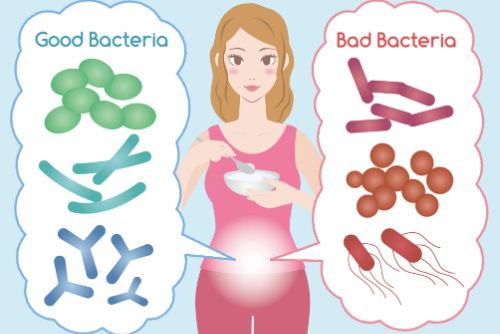
Gut bacteria can break down food that humans can’t digest. This bacterial process that leads to increased energy extraction provides the body with the extra energy it needs to regulate appetite for efficient fat storage. Recent research also suggests the specific types of gut bacteria can predict your overall success with weight reduction and influence how effective you are at losing weight on a diet. Fortunately, good bacteria stimulate hormones that make you feel full longer.
The trillions of microorganisms in your gut microbiome play an important role in your body’s metabolic processes through several key mechanisms. Gut bacteria produce short-chain fatty acids (SCFAs) that can influence important hormones like peptide YY (PYY) and glucagon-like peptide-1 (GLP-1), both of which signal fullness to the brain. These neurotransmitters utilize the gut-brain axis via the vagus nerve. Moreover, a balanced gut can reduce cravings and hunger signals.
Why protein-forward, low-carb nutrition includes the right vegetables...
For those focusing on fat loss and insulin sensitivity, the best strategy is to prioritize high-fiber, low-carb vegetables. Leafy greens like spinach, kale, and chard are excellent choices; spinach is specifically noted for helping reduce visceral fat. Cruciferous vegetables, such as broccoli, cauliflower, and Brussels sprouts, along with non-starchy fillers like zucchini and eggplant help support weight management and reduce inflammation. Additionally, incorporating colorful options like peppers and tomatoes provides essential polyphenols that aid in blood sugar stabilization.
“At Metabolic Research Center, our approach is protein-forward and low-carb*—but that doesn’t mean vegetables are off the table. The right non-starchy vegetables play a critical role in metabolic health, gut function, and sustainable fat loss.”
Dana McKeen, CEO & Regional Director
While gut health is a significant factor, weight loss is complex and also depends on other lifestyle variables. For example, eating probiotic foods like yogurt, kimchi or aged chesses introduce live, beneficial bacteria to your gut. Plus, consuming whole foods that provide prebiotics (fiber) help beneficial bacteria that need fuel to thrive. In fact, consuming many different foods can increase overall microbial diversity. Equally important is avoiding unhealthy foods that are overly processed with added sugars, artificial sweeteners, and less healthy fats.
Obesity Profile Consumes More Calories
Have you ever wondered if there's more to weight gain than just diet and exercise? Recent research points to a fascinating connection between the trillions of microorganisms in your gut microbiome and obesity. It seems the balance of these tiny helpers can significantly influence how our bodies manage weight, process food, and even regulate our immune system. In fact, the state of your gut microbiome is a key player in how your body harvest energy from your daily food intake, as an imbalance can make the body more efficient at extracting calories.
Low-glycemic vegetables that reduce energy extraction for fewer calories are primarily non-starchy types, high in water and fiber, like leafy greens (spinach, kale, lettuce), cruciferous veggies (broccoli, cauliflower, cabbage), cucumbers, celery, and bell peppers, which create volume and fullness with minimal calories, helping you eat less overall. Nutrient-dense vegetables that are low in energy density allow you can eat larger servings without consuming as many calories, while promoting satiety and aiding weight control by slowing digestion and reducing food cravings.
This happens because certain types of gut bacteria, like those in the Firmicutes phylum, are better at breaking down complex carbohydrates. When these bacteria dominate, they produce more short-chain fatty acids, which provide extra calories to your body, potentially leading to unintended weight gain. Think of this as your gut getting too good at its job and pulling more energy from your food than your body might need. However, the influence of the gut microbiome doesn’t stop at calorie absorption.
Low-Carb Veggies for Good Gut Health
The gut microbiota, which includes over 1,000 different bacterial species, maintains a symbiotic relationship with your body. These microorganisms use the nutrients you ingest, interact with each other, and help maintain a healthy balance, or homeostasis. The process of gut metabolism is central to this. It involves breaking down larger food molecules into simpler ones, which heats the body and provides energy for cells to fuel movement, repair tissue, and reproduce. Here’s how it works:
- Energy Extraction and Storage – Through a process called fermentation, gut bacteria convert complex carbohydrates into short-chain fatty acids, which your body can use for energy. However, not all microbiomes are created equal as some are more efficient with more energy extracted.
- Production of Short-Chain Fatty Acids – Short-chain fatty acids, such as acetate, propionate, and butyrate, are produced by your gut bacteria when they ferment undigested fiber. SCFAs are the main energy source for cells lining the colon and release hormones like PYY and glucagon-like peptide-1.
- Immune System Modulation and Inflammation – Gut leakage allows lipopolysaccharides to enter the bloodstream that impairs how your body uses insulin in the liver, fat and muscle tissues. Faulty immune system modulation worsens overall metabolic health and wellbeing.
- Bile Acid Metabolism – Gut bacteria transform primary bile acids into signaling molecules that help regulate your metabolism and how your body uses energy. After that, about 95% of the bile acids are reabsorbed and sent back to the liver to be used again.
- Nutrient and Drug Metabolism – Interestingly, your gut bacteria play a critical role in metabolizing nutrients like complex carbohydrates, fats, fiber, and proteins. In addition, your gut microbiome interacts with many common drugs and prescription medications like GLP-1 weight loss drugs.
Unfortunately, poor gut health or an imbalance in gut bacteria can lead to increased inflammation and impaired metabolic function and diseases like obesity, non-alcoholic fatty liver disease or type 2 diabetes. On the other hand, a healthy gut filled with beneficial bacteria can support weight loss. That’s because these microbial agents produce helpful compounds like short-chain fatty acids and certain probiotics and prebiotics that help to improve metabolic outcomes. Essentially, gut bacteria influence everything from how you absorb nutrients to your overall energy balance.
_____________________
*Protein-First: How Low-Carb Vegetables Support Weight Loss
While your gut’s initial composition is shaped at birth, it is your lifestyle choices and aging throughout adulthood that defines the day-to-day function of your microbiota. To cultivate a microbial ecosystem that supports long-term weight management, we start by focusing on a holistic (whole person), but uniquely personalized (individual needs) approach that has been developed over several decades of applying the latest science for weight control. Plus, unlike plant-based diets, our approach prioritizes protein to preserve lean mass.
To better support your gut flora, a weight loss coach at MRC will help you design a menu plan that features “protein-forward, low-carb nutrition” with non-starchy, fiber rich vegetables that are micro-nutrient dense to aid microbial balance for better metabolic health and wellness. Your gut also plays a crucial role in how bacteria activate, inactivate, or create toxic byproducts from medications. This interaction is especially important for those using GLP-1 weight loss medications or blood glucose regulators, as gut bacteria can impact bioavailability.
In addition, Metabolic Research Center can assist with your body’s specific needs for probiotics and prebiotics, as well as other weight-related supplementation that may be needed due to specific health issues. Reducing stress, getting adequate sleep, and exercising regularly also promote a healthy gut microbiome. Whether you prefer a prescriptive medical weight loss plan or select a more traditional approach for healthy living, our team can help you identify the best options for maintaining a healthy gut microbiome.
By submitting this form, you agree to receive marketing text messages from us at the number provided, including messages sent by autodialer. Consent is not a condition of any purchase. Message and data rates may apply. Message frequency varies. Reply HELP for help or STOP to cancel. View our Privacy Policy and Terms of Service.