What Are Common Setbacks on GLP-1 Meds?
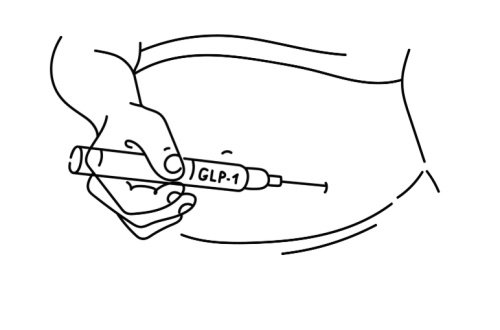
“Gastrointestinal side effects and muscle loss can slow weight loss early on.”
GLP-1 medications like semaglutide and tirzepatide are highly effective weight loss tools, however, gastrointestinal side effects such as nausea and constipation are among the most common reasons people struggle to stay on them. Prioritizing a protein-first eating strategy can help stabilize blood sugar and significantly reduce the severity of these symptoms.
Semaglutide and tirzepatide work partly by slowing gastric emptying, meaning food moves through the digestive tract more slowly than usual. While this mechanism supports weight loss by prolonging feelings of fullness, it can also intensify GI discomfort when combined with certain foods. The good news is what you eat plays a measurable role in how well you tolerate GLP-1 therapy.
What’s the protein-first approach? It focuses on maximizing nutrient density within smaller meal portions—a practical strategy when appetite suppression is already reducing overall intake. The best food choices include:
- Lean animal proteins: Chicken breast, salmon, and turkey
- Non-starchy plant proteins: Lentils, edamame, and tofu to help manage blood sugar levels
- Versatile, low-fat options: Greek yogurt and egg whites for flexible, high-protein meals
Equally important is knowing what to avoid. High-fat fried foods, processed items high in added sugars, large portions of raw cruciferous vegetables, and alcoholic beverages can all worsen common GLP-1 side effects and should be minimized or eliminated during treatment. At MRC Omaha, medically supervised weight loss plans are structured specifically around your body’s specific needs.
Why is protein-first recommended for those using GLP-1 meds?
A protein-first eating pattern is especially important for people on GLP-1 RAs because these medications rapidly reduce hunger and limit stomach capacity. Since overall food intake is significantly reduced, the quality and order of what is eaten becomes critical. Digesting protein before other foods slows key metabolic processes before carbohydrates and fats are introduced. This supports muscle synthesis, which is essential anytime the body is operating in a calorie deficit. Because excess protein is not stored in the same way as carbohydrates or fats, spreading protein intake throughout the day, rather than consuming it all in one sitting, is recommended to maximize absorption and muscle support.
How much protein do I eat per day while on a GLP-1 medication?
Protein intake needs vary by body weight and activity level, but most clinical nutrition guidelines suggest prioritizing protein at every meal. By consuming complex carbohydrates last and in smaller amounts, you’ll optimize calorie intake more naturally. Moreover, spreading intake throughout the day rather than consuming it all at once helps maximize muscle synthesis. Consult a weight loss specialist for personalized recommendations for protein-forward meals and snacks.
Why do GLP-1s cause gut discomfort, and can diet help?
GLP-1 receptor agonists slow gastric emptying, which can cause nausea, bloating, or discomfort, particularly when high-carb or high-fat foods are eaten first. Starting meals with easy-to-digest protein sources, eating smaller portions, and staying well hydrated can help manage these side effects. Drink plenty of sugar-free fluids throughout the day helps to ensure adequate hydration and also helps combat common gastrointestinal side effects that are commonly associated with taking GLP-1 weight loss medications
Food-Related Setbacks That Limit GLP-1 Efficacy
Since the most common setback using a prescription GLP-1 weight loss drug like semaglutide or tirzepatide is gastrointestinal discomfort, including nausea, constipation or stomach cramps. For many men and women, this is simply due to the medication slowing the gastric emptying of food from their stomach into the digestive system.
Other GLP-1 setbacks can include:
- Weight Loss Plateau – GLP-1 medications can trigger a “weight loss plateau” similar to what happens after bariatric surgery, where the person’s body suddenly resists losing weight below a “set point”.
- Non-Responders – Clinical studies show that about 10% of people genetically possess an enzyme that triggers resistance to weight loss meds. Non-responders often require higher dosages to achieve the same results.
- Muscle-Loss Loop – Weight loss studies have revealed that rapid loss of unintended weight gain is often associated with a heavier loss of lean muscle that signals the body to protect itself from further weight loss.
- High-Attrition Rates – Half to three-quarters of patients stop within a year. But reasons vary from the mistaken belief that weight loss meds are only a temporary fix to the financial strain of out-of-pocket costs after coupons.
- Return of Food Noise – Anybody’s digestion can speed up once normal hormonal signaling returns once medications are ceased. Rapid weight regain is often inevitable due to the return of annoying food cravings.
Prioritizing a protein-first eating strategy can help prevent unwanted sugar spikes and crashes that can make metabolic processes less efficient once GLP-1 weight loss medications are stopped. That’s because glucagon-like peptide-1 receptor agonists are designed to reduce appetite and limit daily food intake, and protein is the most filling macronutrient and single best dietary tool for managing hunger pangs.
______________________
Common setbacks on GLP-1 receptor agonist medications (such as semaglutide and tirzepatide) primarily involve gastrointestinal distress, weight loss plateaus, muscle loss, and out-of-pocket costs. These hurdles often peak when starting the weight loss drug or when your provider raises the dose. Since rapid drops in weight can sacrifice muscle mass, creating a personalized menu plan that is protein-forward is recommended very early on. Moreover, reduced intake of calories and nutrients can cause fatigue, so protein pacing throughout the day can help. At Metabolic Research Center West Omaha, our goal is to provide the GLP-1 support needed to create a customized program that preserves crucial muscle mass, limits the common side effects of using a GLP-1 receptor agonist, and produces the changes your body needs for sustainable weight control.
By submitting this form, you agree to receive marketing text messages from us at the number provided, including messages sent by autodialer. Consent is not a condition of any purchase. Message and data rates may apply. Message frequency varies. Reply HELP for help or STOP to cancel. View our Privacy Policy and Terms of Service.