Latest Human and Animal Melatonin Research
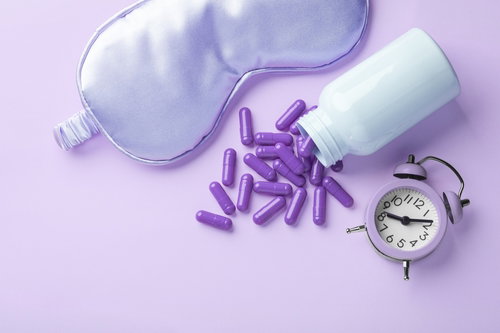
“Plain-English Look at Heart Failure Risk from Long-Term Use”
The latest human and animal research on melatonin has shifted focus beyond simple sleep regulation to its potential impact on metabolic efficiency, including memory, aging, and cardiovascular health. That said, the most significant findings in human research involves a more recent observational review of melatonin studies that suggests a potential link between long-term, consistent use and an increased risk of heart failure, hospitalization and death.
However, recent animal studies demonstrate that melatonin hormone not only acts a scavenger of free radicals, but indirectly increase enzymes that help protect against cell death. Research into its role in alleviating amyloid-beta toxicity relevant to Alzheimer’s and protecting organs from external stressors like electro-magnetic fields is ongoing. Melatonin in animals is also a crucial mediator of seasonal breeding through the rhythmic release of reproductive hormones.
Although melatonin is not a sedative or a universal sleep hormone, it is an effective regulator of sleep onset to aid with managing insomnia, jet lag and circadian rhythm disorders. Produced in your brain by the pineal gland that regulates your sleep-wake cycle, melatonin signals that it time to rest. It increases in the evening with the loss of light sources, reduces your body temperature, and eases your transition from wakefulness to sleep by acting more as a timing cue.
Findings reported by American Heart Association...
Melatonin is a naturally occurring hormone that helps reset our sleep cycles, rather than a traditional sedative. But if you rely on melatonin supplements every night, new research suggests you might want to reconsider. An observational review presented at the American Heart Association's Scientific Sessions 2025 in New Orleans revealed a concerning link that adults with chronic insomnia who took melatonin for over 12 months faced a 90% higher risk of heart failure. Over a five-year period, these long-term users also experienced 3.5 times increased hospitalizations and doubled mortality rates compared to non-users. However, experts are quick to point out that this study establishes a correlation, not a direct cause. It is entirely possible that chronic insomnia itself is also a driver of these cardiovascular issues. Despite the need for further research, the findings have already prompted significant regulatory changes in the U.K. and most of Europe.
LOW-CARB NON-STARCHY VEGETABLES AID MELATONIN
A protein-forward diet does more than just build muscle; it supplies the essential raw materials your body needs to synthesize melatonin and regulate your sleep pathways. When you pair this dietary approach with low-carb, non-starchy vegetables, you create the perfect nutritional foundation for a restful night. Low-carb, nutrient-dense whole foods are excellent for boosting melatonin and enhancing sleep quality, largely due to their high magnesium content and ability to support the conversion of tryptophan to serotonin and then to melatonin.
High-carb sugary meals, on the other hand, often lead to blood glucose spikes, which can wake you up in the middle of the night. Low-carb, non-starchy vegetables provide a steady stream of nutrients without the disruptive sugar crash, helping you avoid fragmented sleep. Eating more non-starchy veggies naturally increases your dietary fiber. Research shows that high-fiber diets are closely linked to spending more time in deep, restorative slow-wave sleep and experiencing a significantly lower risk of insomnia.
But did you know that low-glycemic vegetables can help filter out sleep-disrupting blue light? Well, yes they can. Leafy greens like spinach and kale are rich in plant pigments called lutein and zeaxanthin. These antioxidants help filter the blue light that typically interferes with your evening melatonin production. Low-carb vegetables such as spinach, broccoli, and avocados are also excellent sources of magnesium. A single boiled cup of spinach alone provides 37% of your daily value for magnesium and 26% for tryptophan.
____________________
While some foods high in melatonin like tart cherries and bananas are high in sugar, several low-carb vegetables also boost melatonin levels. White button mushrooms are one of the top plant-based sources of net carbs and orange bell peppers are specifically noted for their higher melatonin content. Moreover, spinach, leafy greens, broccoli, cauliflower, cherry tomatoes, and asparagus are all low-carb sources of the precursor tryptophan. If you’re struggling to sleep, contact Metabolic Research Center West Omaha today. One of our weight loss coaches will be in touch to discuss how you can get a good night’s sleep and still enjoy the weight loss benefits of a protein-first, low carb diet. After all, the quality of sleep you get isn’t just about getting through your daily grind; your gut-brain-melatonin axis is directly linked to increased risk of heart disease, high blood pressure, diabetes, kidney disease, stroke, and obesity.
*NOTE: Generally speaking, melatonin supplementation should be avoided by pregnant or breastfeeding women, those with autoimmune disease, or individuals taking immunosuppressants, blood thinners, or certain blood pressure medications.
By submitting this form, you agree to receive marketing text messages from us at the number provided, including messages sent by autodialer. Consent is not a condition of any purchase. Message and data rates may apply. Message frequency varies. Reply HELP for help or STOP to cancel. View our Privacy Policy and Terms of Service.