Late Night Dinners Disrupt Melatonin Signals
“How Bedtime Snacks Can Boost Blood Sugar and Weight Gain”
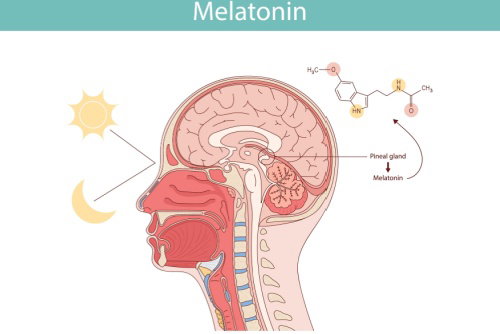
Eating late night, especially within one to two hours of bedtime, can disrupt melatonin by suppressing or delaying the release of your sleep-wake regulator. This is often due to higher insulin levels caused by digestion of less-healthy midnight snacks that are known to interfere with key melatonin signals. Disruptions invariably reduce sleep quality, cause you to wake up, promote unintended weight gain, and force your body to digest food instead of resting.
Nonetheless, midnight madness can quickly throw your hunger hormones out of balance. Specifically, it raises ghrelin (appetite) while lowering leptin (fullness), making it much harder for your body to know when it's had enough food. Pair that with disrupted sleep patterns, and you've got a recipe for intense cravings, particularly for high-calorie, sugary, and carb-heavy comfort foods that your body craves for a quick energy boost when it's tired.
The troubling part is that this easily becomes a vicious cycle. Poor sleep caused by late eating leads to increased snacking and more hunger the following day, and so on. This is because consuming food during your body's biological night, which is the window when melatonin levels are naturally rising, makes it hard to manage blood sugar as effectively as it would earlier in the day. After all, melatonin naturally suppress insulin secretion at night that can cause post-snack blood sugar spikes.
What to avoid when taking melatonin?
Melatonin interacts with a surprising number of common drugs and substances. If you take blood thinners, blood pressure medications, diabetes drugs, sedatives like benzodiazepines or opioids, or certain antidepressants, combining them with melatonin can cause serious complications. These range from excessive drowsiness and increased bleeding risk to fluctuations in blood sugar and blood pressure, and even reduced effectiveness of your existing medications. You might also want to reconsider your evening habits and always let your doctor know about supplements and medications you are taking. While alcohol may seem to amplify drowsiness, it can actually worsen other side effects. Caffeine, on the other hand, works against melatonin's sleep-promoting properties altogether, as it boost wakefulness.
PROTEIN FORWARD FOODS FOR SLEEP QUALITY
What you eat directly affects how well you sleep, and protein plays a bigger role in that relationship than most people realize. A protein-rich diet supplies the body with tryptophan, which is an essential amino acid that your body cannot produce on its own. Once consumed, tryptophan is converted into serotonin and eventually, into melatonin. Although not a sedative, the sleep hormone is responsible for regulating your sleep-wake cycle. Foods like meat, fish, eggs, dairy, and low-glycemic vegetables are all excellent sources of tryptophan.
Beyond simply boosting melatonin production, getting enough protein throughout the day can also shorten the time it takes to fall asleep and reduce nighttime wakefulness. Research suggests that protein-first diets are particularly beneficial for overweight and obese adults, especially when combined with a nutrient-dense, energy-controlled eating plan. Eating a moderate amount of protein before bed supports muscle recovery during sleep, while simultaneously maintaining the hormonal balance your body needs overnight.
That said, there's an important nuance worth understanding. While tryptophan is found in protein-rich foods, it must compete with other large neutral amino acids to cross the blood-brain barrier and reach the brain. This is where complex low-glycemic carbohydrates come in. Eating a moderate amount of whole-food carbohydrates alongside protein triggers an insulin response that helps shuttle competing amino acids into muscle cells, which effectively clears a path for tryptophan to reach the brain and support melatonin production.
____________________
With melatonin, the timing of what you eat and when you eat it always seems to matter. In part due to the fact that spreading your protein intake consistently throughout the day is much more effective than trying to consume large amounts before bed. In fact, studies suggest midnight snacking is linked to sleep fragmentation rather than deeper restorative sleep. If you’re struggling to sleep, contact Metabolic Research Center Warner Robins today. One of our weight loss coaches will be in touch to discuss how you can get a good night’s sleep and still enjoy the weight loss benefits of a protein-first, low carb diet. After all, the quality of sleep you get isn’t just about getting through your daily grind; your gut-brain-melatonin axis is directly linked to increased risk of heart disease, high blood pressure, diabetes, kidney disease, stroke, and obesity.
*NOTE: Generally speaking, melatonin supplementation should be avoided by pregnant or breastfeeding women, those with autoimmune disease, or individuals taking immunosuppressants, blood thinners, or certain blood pressure medications.
By submitting this form, you agree to receive marketing text messages from us at the number provided, including messages sent by autodialer. Consent is not a condition of any purchase. Message and data rates may apply. Message frequency varies. Reply HELP for help or STOP to cancel. View our Privacy Policy and Terms of Service.