Fixing Circadian Rhythm Protects Against Weight Gain
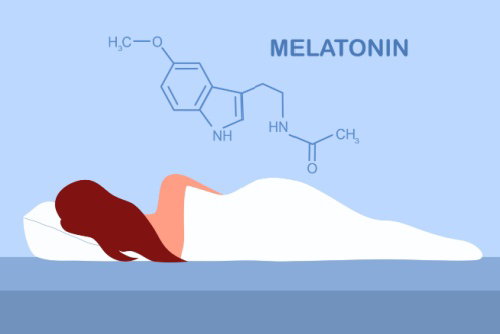
“Why High-Calorie Diets Are Out-of-Sync with Melatonin Hormone”
Melatonin levels naturally rise about two hours before you go to sleep. To create the optimal conditions for this sleep hormone to do its job, start by lowering the lights in your home as bedtime approaches. Avoid using your computer, smartphone, or tablet, as the blue and green light emitted from these screens can neutralize melatonin’s effects. If you decide to watch television, sit at least six feet away from the screen and turn off any bright overhead lights.
Conversely, you can train your body to produce melatonin at the right time by getting plenty of natural daylight during the morning and afternoon. Try taking a walk outside or sitting next to a sunny window while you work. After all, your circadian rhythm heavily influences your metabolic health and wellbeing. When your melatonin levels are high, your brain signals that its time for your body to prepare for rest mode, when the body stores fat rather than burn calories.
While melatonin production naturally decreases as we age, other factors like disrupted light-dark cycles, shift work, and excess weight can also negatively modify these levels. Late-night eating and midnight snacking reduces insulin effectiveness, particularly for individuals with genetic, lower-functioning melatonin receptors. To protect against weight gain and improve your metabolic health, focus on aligning your food intake with daylight hours.
How synchronized melatonin protects metabolic wellbeing...
Melatonin does more than support sleep. When your melatonin rhythm is properly aligned, it also helps regulate key metabolic processes that may protect against weight gain, even on a high-calorie diet. By fixing a disrupted sleep cycle, you can protect yourself against unintended weight gain. Think of melatonin as a "master regulator" that aligns your metabolism with your sleep-wake cycle. For example, it reduces the intestinal transporters responsible for absorbing carbs and fats, meaning your body may actually absorb fewer calories from a heavy meal. Higher melatonin levels at night may also act on the hypothalamus to suppress hunger, helping reduce late-night cravings for calorie-dense comfort foods. But, when melatonin is disrupted by blue light, shift work, or mistimed supplements, it creates a state of chrono-disruption where melatonin is simply out-of-sync.
MELATONIN IMBALANCE DUE TO DIETARY INTAKE
Poor dietary habits can significantly disrupt your body's natural melatonin production. Consuming high-sugar foods, citrus fruits, and caffeinated beverages like coffee or energy drinks close to bedtime can easily keep you awake. Similarly, while alcohol might initially make you feel drowsy, its effects are deceptive. A nightcap might help you fall asleep faster, but it ultimately disrupts sleep, causes nighttime awakenings and leaves you feeling unrested. More often than not, similar lifestyle choices are the root cause of reduced melatonin levels.
Eating late-night, or too close to bedtime when melatonin levels are high, impairs glucose tolerance and reduces insulin secretion, as the sleep hormone acts on the pancreas to inhibit release. Additionally, deficiencies in tryptophan, which is the amino acid precursor, can reduce melatonin synthesis. Conversely, consuming tryptophan-rich foods and natural melatonin sources like nuts, tart cherries, and fish can boost production and improve sleep. But, reduce your caffeine intake in the late afternoon and stop eating a couple hours before bedtime.
The timing of your food intake relative to your natural melatonin rise for your circadian night is critical for metabolic health. This is because melatonin naturally suppresses insulin to prevent blood sugar from dropping too low during sleep. Eating closer to your biological "melatonin onset" is associated with higher body fat and BMI, independent of total calorie intake. Some research suggests that delaying breakfast slightly, rather than eating immediately upon waking, may improve blood sugar control, as melatonin levels can briefly remain elevated.
_______________________
By living more in-sync with your natural biological rhythm controlled by your own circadian clock, you can boost your overall wellbeing, enhance insulin sensitivity, and support sustainable weight loss. Melatonin can decrease transporters in the intestine that absorb carbohydrates and lipids, meaning your body may actually take in fewer calories from the same meal. If you’re struggling to sleep, contact Metabolic Research Center Waco today. One of our weight loss coaches will be in touch to discuss how you can get a good night’s sleep and still enjoy the weight loss benefits of a protein-first, low carb diet. After all, the quality of sleep you get isn’t just about getting through your daily grind; your gut-brain-melatonin axis is directly linked to increased risk of heart disease, high blood pressure, diabetes, kidney disease, stroke, and obesity.
*NOTE: Generally speaking, melatonin supplementation should be avoided by pregnant or breastfeeding women, those with autoimmune disease, or individuals taking immunosuppressants, blood thinners, or certain blood pressure medications.
By submitting this form, you agree to receive marketing text messages from us at the number provided, including messages sent by autodialer. Consent is not a condition of any purchase. Message and data rates may apply. Message frequency varies. Reply HELP for help or STOP to cancel. View our Privacy Policy and Terms of Service.