When Melatonin Is Not So Simple
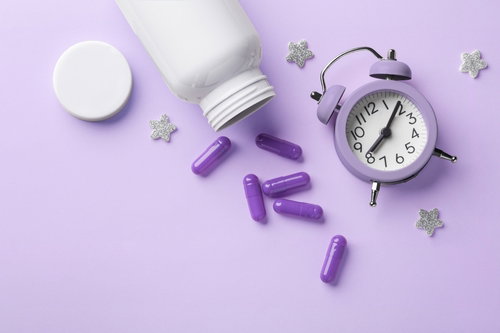
“Signs You Should Slow Down or Stop Using Supplements”
While melatonin is generally safe for short-term use, certain symptoms indicate it is time to lower your dose or stop altogether. You should consider stopping if you experience persistent side effects, if it no longer helps you sleep, or if you have been taking it nightly for more than one to two months. If you frequently wake up feeling tired, hungover, or experience excessive daytime sleepiness, your body may be clearing the supplement too slowly and its time for a holiday.
Instead of improving your rest and recovery, overuse of melatonin supplements can trigger more frequent awakenings, vivid dreams, or even nightmares. If symptoms like these persist after two weeks of use, melatonin pills may not be effective for treating the cause of your sleep disorder. Nausea, vomiting, stomach cramps, or severe reductions in appetite are common side effects of overuse. Plus, some complain of increased anxiety, depression, confusion, or irritability
Although protein-forward foods are often associated with alertness, they also can trigger sleepiness through several biological pathways. Moreover, melatonin is a natural ingredient that prepares your body for rest through synchronization of your circadian rhythm that promotes the onset of sleep and helps you stay asleep throughout the nighttime hours. So, high-protein first meals 2 to 3 hours before lights out (or good protein snack a half hour before) may improve sleep quality.
How the melatonin paradox contributes to overuse...
Instead of acting as a traditional sedative, melatonin serves as a circadian cue. When improperly timed, it can trigger the exact opposite of its intended effect, leading to increased alertness, anxiety, or early-morning awakenings. This frustrating experience is known as the "melatonin paradox," where high-dose usage can actually disrupt the sleep-wake cycles the hormone is meant to support. Nonetheless, improper timing of melatonin supplementation, especially when it comes to food intake, can impair your body’s ability to process glucose and reduce insulin sensitivity in fat tissue that leads to unintended metabolic issues and may be linked to increased heart risks in individuals with chronic insomnia. As its biological paradox, the darkness hormone actually requires substantial amounts of bright light during the day to trigger production.
REDUCE SUPPLEMENTATION WITH PROTEIN-FIRST FOODS
Incorporating high-protein, nutrient-dense foods can help increase natural melatonin and serotonin levels, reducing the need for supplements. However, your body cannot convert protein into melatonin without vitamin B6 that is found in fish and poultry, and magnesium that’s found in leafy greens and nuts. So, a good approach for reducing melatonin supplementation is to personalize your menus to include tryptophan to aid conversion to serotonin, as the body’s key mood-regulating neurotransmitter that’s also a precursor to sleep.
To maximize melatonin’s effect, experts recommend pairing tryptophan-rich foods with complex carbohydrates that are nutrient-dense, fiber-rich whole foods that also provide steady energy and prevent blood sugar spikes. Top choices include whole grains (oats, quinoa), legumes (black beans), and non-starchy vegetables (leafy greens, broccoli), and fiber-rich fruits (berries). According to the American Diabetes Association look for foods with 2.5 grams of fiber per serving for a “good source” (or more than 5 g) for an “excellent source” of protein.
It is, however, important to avoid large doses of protein right before bedtime. Consuming high-protein meals like a thick steak can take hours to digest. That’s important as your digestion naturally slows by 50% during sleep. So, pick the right protein-first options anytime you are within 4 hours of bedtime or it may disrupt that night’s sleep. Best late-night snack choices include slow-digesting casein protein, cottage cheese, Greek yogurt, eggs, and turkey slices with maximum sleep-inducing benefits that can boost satiety overnight.
______________________
Melatonin is widely regarded as a harmless sleep aid, but its use is not always that "simple." It is a hormone, not a sedative, and improper use, such as incorrect timing, dosage, or using it for the wrong type of sleeplessness, can lead to poor results, dependency, or side effects. Melatonin supplements can interact with blood thinners, immunosuppressants, diabetes medications, and birth control. If you’re struggling to sleep, contact Metabolic Research Center Vancouver today. One of our weight loss coaches will be in touch to discuss how you can get a good night’s sleep and still enjoy the weight loss benefits of a protein-first, low carb diet. After all, the quality of sleep you get isn’t just about getting through your daily grind; your gut-brain-melatonin axis is directly linked to increased risk of heart disease, high blood pressure, diabetes, kidney disease, stroke, and obesity.
*NOTE: Generally speaking, melatonin supplementation should be avoided by pregnant or breastfeeding women, those with autoimmune disease, or individuals taking immunosuppressants, blood thinners, or certain blood pressure medications.
By submitting this form, you agree to receive marketing text messages from us at the number provided, including messages sent by autodialer. Consent is not a condition of any purchase. Message and data rates may apply. Message frequency varies. Reply HELP for help or STOP to cancel. View our Privacy Policy and Terms of Service.