Low Carb Veggies for Gut Health
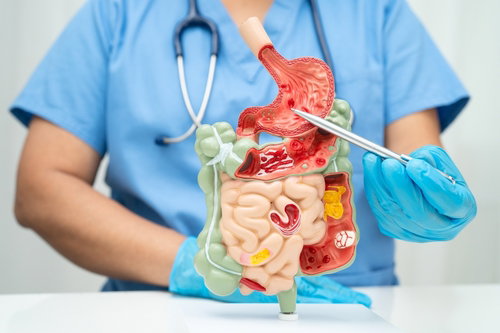
Low-carb vegetables are a cornerstone of metabolic gut health, providing essential fiber that fuels beneficial bacteria while keeping blood sugar levels stable. For 2026, dietary experts continue to emphasize the importance of consuming high-fiber, non-starchy vegetable options to improve insulin sensitivity, lower blood glucose levels, and support your intestinal lining.
To maximize the benefits of adding protein-first vegetables to your menu plan, focus on nutrient-dense options like leafy greens such as spinach, kale, and lettuce. These greens are lowest in net carbs and contain specific sugars that directly feed healthy gut bacteria. Spinach, in particular, contains antioxidants that may help reduce symptoms of metabolism-related diseases.
Cruciferous vegetables like broccoli, cauliflower, Brussels sprouts, and cabbage are also vital additions to your diet. Rich in fiber and sulfur-containing compounds, they support detoxification and help reduce inflammation associated with metabolic syndrome. Additionally, other non-starchy choices like asparagus, zucchini, bell peppers, mushrooms, and celery offer high water and fiber content to increase fullness, aiding in weight management and metabolic control.
Why protein-forward, low-carb nutrition includes the right vegetables...
There are no vegetables with zero carbs, but many have extremely low net carbs, making them ideal for low-carb menu plans. These include leafy greens along with celery, cucumber, cauliflower, broccoli, asparagus, zucchini, mushrooms, and bell peppers. Non-starchy vegetables provide nutrients and fiber without significantly impacting carb goals, with dark greens often containing less than a couple grams of net carbs per 100g serving.
“At Metabolic Research Center, our approach is protein-forward and low-carb*—but that doesn’t mean vegetables are off the table. The right non-starchy vegetables play a critical role in metabolic health, gut function, and sustainable fat loss.”
Dana McKeen, CEO & Regional Director
The latest scientific research has shown that both the makeup and activities of your gut flora are profoundly dependent on the intake of complex carbohydrate proteins that provide essential nutrients and antioxidants with excess calories. Naturally, the worst carbs that can promote unintended weight gain are refined carbohydrates with added sugars as they are often stripped of fiber, quickly digested, spike blood sugar levels, increase insulin production, and promote lipid storage around internal abdominal organs.
Eating for Digestive Wellbeing
Digestive issues like gas, bloating, and heartburn are unfortunately common, often influenced by aging and underlying health conditions. One of the most effective ways to combat these symptoms is by adopting a gut-friendly eating philosophy. Rather than fixating on a handful of "superfoods," aim for a protein-first diet rich in non-starchy, low-carb whole vegetables. These fiber-packed foods are essential for nourishing good bacteria and maintaining overall gut health.
It's also wise to prioritize whole foods over processed options, which are frequently stripped of nutrients and loaded with added sugars, fats, and salt. By making these mindful choices at the grocery store and the dinner table, you can significantly improve your digestive well-being. So, it’s often better to ignore the hype about foods and instead shoot for a healthy eating pattern, like Mediterranean-style where focus is on nutrients, spices and preparation.
According to John Hopkins Medicine, the main culprits of gut health imbalances (dysbiosis) are shifts in the stomach acids, your gut immunity and gastrointestinal flora, which is the complex microbial ecosystem made up of trillions of bacteria, fungi, viruses, and archaea. Fact is, when gut health is good, so is your digestive wellbeing, and you are less likely to experience damaging inflammation that often results in unintended fat storage after lapses in reprogramming of your immune system.
Metabolic Roles for Lean Proteins
Dark leafy greens like spinach or collards are excellent choices to cook, as they offer significantly more protein per cup than raw versions. When they cook down, it concentrates nutrients and creates key amino acids. Even though raw leafy greens contain high-water content, cooking reduces volume so you naturally eat more protein and consume more overall nutrients. Low-fat meaty proteins like skinless chicken, fish and low-fat dairy like Greek yogurt should be paired with prebiotic, low-glycemic veggies to feed beneficial bacteria.
Here’s how it works:
- Energy Extraction and Storage – To reduce energy extraction and unwanted fat storage, focus on personalizing your menus with non-starchy, low-carb vegetables like leafy greens, cruciferous vegetables, and protein-friendly options such as zucchini, asparagus, bell peppers, mushrooms, and cucumbers. All of these plant protein options are low in carbs and high in fiber, vitamins, and water to promote fullness with minimal impact on blood sugar and energy stores.
- Production of Short-Chain Fatty Acids – Three main types of short-chain fatty acids are created when your gut bacteria break down dietary fiber. Butyrate acts as the primary fuel source for your colon cells and helps maintain a strong gut barrier, while acetate and propionate are involved in regulating cholesterol and signaling to your brain. Fatty acids are crucial for weight management as they help boost metabolism, increase fat burning, and stimulate satiety hormones like PYY and GLP-1.
- Immune System Modulation and Inflammation – Perhaps the most fascinating duo of players in your body's defense system is your gut and immune system. For starters, they are essentially best friends, working in tandem to fight off germs and manage inflammation that can lead to unintended weight gain. The trillions of microbes in your gut help train your immune system from birth and continue to evolve during adulthood. When this microbial community is balanced, it keeps your defenses sharp.
- Bile Acid Metabolism – Bile acid metabolism is a critical regulator of body weight, serving as both a digestive aid and a complex hormonal signaling system. It begins in the liver, where cholesterol is converted into primary bile acids that help the intestine absorb fats and fat-soluble vitamins. From there, gut bacteria transform these into secondary bile acids that are powerful signaling molecules, which regulate how your body manages sugar, fat, and energy expenditure.
- Nutrient and Drug Metabolism – Understanding the bidirectional relationship between your body and your gut it is key to optimal health. Your gut microbiome acts as a powerful metabolic engine, breaking down complex nutrients that your body's natural enzymes can't handle alone. But its role extends far beyond digestion; these bacteria significantly influence how your body processes medications, including common prescriptions like metformin and GLP-1 weight loss drugs (such as semaglutide).
Protein-forward menus are vital for metabolic health as they provide essential compounds for your gut flora and without the high saturated fat content that can trigger inflammation. Overall, the better options often include a “dual benefit” profile that plant proteins provide when combined with probiotics to prevent a reduction in microbial diversity and support a healthy microbiome. Nonetheless, cooking methods matter too, so prioritize grilling, steaming, roasting or poaching over frying to keep fat content lower while maintaining a lean profile.
_____________________
*Protein-First: How Low-Carb Vegetables Support Weight Loss
While your gut’s initial composition is shaped at birth, it is your lifestyle choices and aging throughout adulthood that defines the day-to-day function of your microbiota. To cultivate a microbial ecosystem that supports long-term weight management, we start by focusing on a holistic (whole person), but uniquely personalized (individual needs) approach that has been developed over several decades of applying the latest science for weight control. Plus, unlike plant-based diets, our approach prioritizes protein to preserve lean mass.
To better support your gut flora, a weight loss coach at MRC will help you design a menu plan that features “protein-forward, low-carb nutrition” with non-starchy, fiber rich vegetables that are micro-nutrient dense to aid microbial balance for better metabolic health and wellness. Your gut also plays a crucial role in how bacteria activate, inactivate, or create toxic byproducts from medications. This interaction is especially important for those using GLP-1 weight loss medications or blood glucose regulators, as gut bacteria can impact bioavailability.
In addition, Metabolic Research Center can assist with your body’s specific needs for probiotics and prebiotics, as well as other weight-related supplementation that may be needed due to specific health issues. Reducing stress, getting adequate sleep, and exercising regularly also promote a healthy gut microbiome. Whether you prefer a prescriptive medical weight loss plan or select a more traditional approach for healthy living, our team can help you identify the best options for maintaining a healthy gut microbiome.
By submitting this form, you agree to receive marketing text messages from us at the number provided, including messages sent by autodialer. Consent is not a condition of any purchase. Message and data rates may apply. Message frequency varies. Reply HELP for help or STOP to cancel. View our Privacy Policy and Terms of Service.