How Do Dietary Issues Amplify GLP-1 Results?
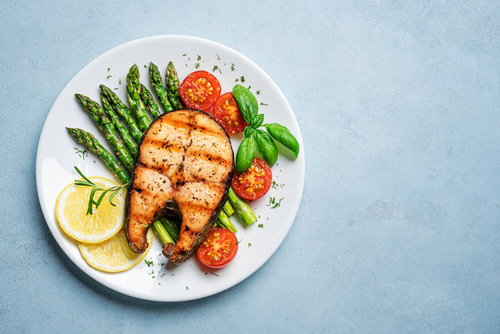
“No, they don’t amplify drug efficacy but poor food choices can trigger side effects.”
GLP-1 receptor agonists work by mimicking the body's natural GLP-1 hormone to suppress appetite, regulate blood sugar, and slow gastric emptying. Research shows that specific dietary strategies, which include increased fiber, protein, plant-based fats, optimized meal timing, and protein pacing throughout the day, can naturally enhance these same hormonal pathways, amplifying the results of GLP-1 therapy as well as supporting weight management without prescription medications.
Preserving lean muscle mass is always critical. A significant risk during rapid weight loss is losing muscle rather than fat, which compounds the metabolic slowdown and makes long-term weight maintenance harder still. To counter this, nutrition experts generally recommend 1.5 to 2 grams of protein per kilogram of body weight per day for individuals in active weight management. Adequate hydration is also essential when following a high-protein diet, as it supports kidney function and overall digestive wellbeing.
What you eat while taking a GLP-1 medication matters more than most people realize. Ultra-processed, low-nutrient foods crowd out the healthier options the body needs most during active weight loss, undermining the therapy's effectiveness. At the same time, rapid weight loss can lower resting metabolic rate, while hormonal shifts push the body to restore its previous weight (the set point). Research indicates, however, someone who has lost weight burns fewer calories than someone who has never been overweight.
Does meal timing matter using GLP-1 agonists?
Yes. Strategic meal timing supports better energy utilization, improved hormonal balance, and enhanced insulin sensitivity — all of which play a critical role in weight regulation.
Research suggests that aligning macronutrient intake with daily activities can enhance fat metabolism and minimize fat storage:
- Earlier in the day: Consume carbohydrates and protein to fuel performance, promote muscle repair, and optimize energy use.
- Evening meals: Focus on proteins, non-starchy vegetables, and healthy fats. Reducing carbohydrates in the evening can encourage the body to access fat stores during the overnight fasting period.
Understanding how meal timing affects metabolism allows individuals to work with the body's natural circadian-like rhythms (rather than against them) to achieve weight loss goals more effectively.
Can protein pacing prevent weight regain after GLP-1s?
Protein pacing is an important strategy during and after GLP-1 receptor agonist therapy. Unlike carbohydrates and fats, the body does not store excess protein for later use. Spreading quality protein intake more evenly across daily meals and snacks helps protect calorie-burning muscle mass and stabilizes hunger hormones, reducing cravings for high-calorie foods. However, protein pacing alone cannot completely prevent biological weight regain after stopping a GLP-1 medication. It works best when paired with resistance training. Additionally, prescription providers may recommend tapering medications gradually rather than stopping abruptly to support long-term maintenance goals.
Can protein-first eating help prevent muscle loss?
Yes. Protein-first eating effectively stimulates muscle protein synthesis, helps prevent sarcopenia (age-related muscle loss), and supports strength development without negatively impacting kidney health in healthy individuals. When taking GLP-1 receptor agonists, rapid weight loss can accelerate the loss of lean muscle mass, making protein-first eating an important protective strategy. Strategic protein-first eating patterns also support better energy utilization, improved hormone balance, and enhanced insulin sensitivity, all of which play a vital role in weight regulation.
How do you keep weight off after stopping GLP-1 meds?
People stop GLP-1 medications for a variety of reasons, including loss of insurance coverage, high out-of-pocket costs, recurring gastrointestinal side effects, or insufficient results. Among patients who successfully maintain their new weight, a common pattern is treating the GLP-1 medication as a tool to help build lifelong habits. Some individuals do maintain a significant portion of their weight loss after stopping semaglutide or tirzepatide, but weight regain is common. Clinical studies show that a large number of people regain up to two-thirds of their lost weight within one to two years after stopping. That is because natural hunger and food cravings return once the medication leaves the body.
Key Dietary Takeaways for GLP-1 Therapy
Building an understanding of how GLP-1 agonists work allows for a personalized menu plan that supports long-term weight management by reinforcing the beneficial effects of the natural gut hormone. Research suggests focusing on protein-forward meals and snacks with non-starchy whole foods, healthy fats, and protein pacing distributed throughout the day. Working closely with a one-on-one coach can help determine the right approach based on individual health goals and medication response.
Higher intake of lean protein and dietary fiber can also influence leptin and ghrelin (the hunger-regulating hormones) to suppress cravings for high-calorie foods. After starting GLP-1 therapy with semaglutide or tirzepatide, appetite drops naturally. Without the right nutritional support, however, rapid weight loss can cause the body to lose lean muscle tissue alongside fat. Consuming adequate protein daily keeps the metabolism active, and protein pacing throughout the day is vital for protecting muscle mass and maintaining energy levels.
Specific nutrients naturally trigger the release of GLP-1 in your gut. The primary food triggers include soluble fiber (oats, beans, chia seeds), lean and dairy proteins (eggs, fish, Greek yogurt, chicken), healthy fats (avocados, olive oil, nuts), and fermented foods (kefir, kimchi). Healthy sources of low-glycemic fiber feeds your gut bacteria to create short-chain fatty acids that stimulate natural GLP-1 hormone release. Plus, amino acids and specific peptides signal the intestinal cells to produce satiety hormones.
________________________
Dietary issues do not clinically amplify the pharmacological efficacy of GLP-1 receptor agonist medications. Instead, poor dietary choices, such as eating high fat, greasy, or sugary foods, interact with the drug’s mechanisms for slowing gastric emptying of food from the stomach into the gut. Because GLP-1s prolong fullness, eating standard or large portions stretches an already slow-moving digestive tract. This alone can amplify the uncomfortable gastrointestinal side effects like severe nausea, vomiting, and bloating. At Metabolic Research Center Vancouver, our goal is to provide the GLP-1 support needed to create a customized program that preserves crucial muscle mass, limits the common side effects of using a GLP-1 receptor agonist, and produces the changes your body needs for sustainable weight control.
By submitting this form, you agree to receive marketing text messages from us at the number provided, including messages sent by autodialer. Consent is not a condition of any purchase. Message and data rates may apply. Message frequency varies. Reply HELP for help or STOP to cancel. View our Privacy Policy and Terms of Service.