Support Your Immune System When Using GLP-1
“Visit MRC Tyler for How to Maximize Protein-Forward Foods“
Glucagon-like peptide-1 (GLP-1) naturally influences immunity through a combination of direct cellular actions and triggering chemical signaling in the central nervous system. It promotes the polarization of macrophages that are associated with anti-inflammatory functions and tissue repair rather than tissue damage. Concurrently, GLP-1 boosts anti-inflammatory cytokines and modulate T-cells to help maintain tolerance and prevent an overactive immune response.
Prescription GLP-1 receptor agonists (GLP-1RAs), such as semaglutide or tirzepatide, have significant immunomodulatory effects and aid the immune system primarily by calming chronic inflammation, shifting immune cells to an anti-inflammatory state. In turn, they protect against damage to cardiovascular, liver, and kidney tissues by reducing cytokines that are responsible for persistent, low-grade inflammation that is associated with obesity and metabolic syndrome.
Glucagon-like peptide-1 helps reduce immune system dysfunction that occurs with obesity, as well as potentially helping the body's immune system better recognize threats like cancer cells. It also increases the number and function of regulatory T cells that play a crucial role in preventing autoimmune reactions. Research indicates, since some of the anti-inflammatory actions of GLP-1 drugs are mediated through the brain, it can reduce inflammation throughout the body, including in the liver and blood vessels.
How GLP-1 therapies do more than just reduce hunger...
Most people only know about GLP-1 receptor agonists for their role in slow gastric emptying during food intake to help the person feel full sooner and longer, which is a key for losing unintended weight gain, especially those stubborn deposits of visceral fat in the abdominal region. But, a review in The Journal of Clinical Investigation last December revealed benefits in clinical studies of both mice and humans for liver and kidney disease, cardiovascular conditions, immune system dysfunction, and more. This highlighted GLP-1’s role as a master communicator between your gut, your immune system, and systemic inflammation that is independent of weight loss or long-term metabolic change. In fact, preclinical studies proved that a single dose of a synthetic GLP-1 could reduce inflammatory cytokines within hours of an injection. In mice, GLP-1 agonists also reduced cholesterol-rich plaque buildup in the arteries (atherosclerosis) that restricts oxygen-rich blood flow, which is the primary cause of heart attacks and strokes. As therapies expand beyond weight loss, GLP-1RAs may unlock many new therapeutic uses.
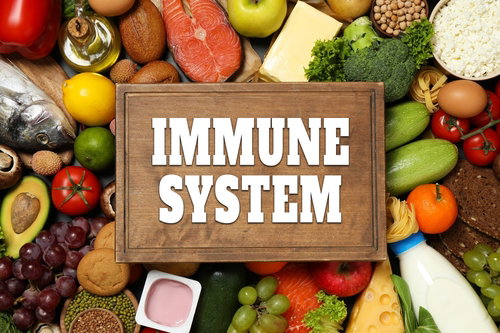
PROTEIN FORWARD FOODS THAT SUPPORT IMMUNITY
High in protein and packed with zinc, both of which are vital for immune cell function, shellfish like oysters, crab or lobster and lean meats like turkey or chicken breasts are protein-forward foods that support your immune system. In addition, fatty fish like salmon, tuna or sardines also provide omega-3 fatty acids that boost white blood cells. Not to be overlooked, pasture-raised eggs are a highly bioavailable source of protein that is excellent for combining with sources of immune-regulating Vitamin D.
Plain Greek yogurt and cottage cheese can be combined with beneficial live gut bacteria that can be directly linked to promoting a healthy gut microbiome with improved immune defense. Moreover, sunflower and chia seeds along with almonds and walnuts provide a convenient source of proteins that are rich in Vitamin E, which is powerhouse antioxidant that helps to neutralize free radicals. So, add them to a salad at meal time or enjoy a handful for mid-afternoon energy-boosting snack that is healthy and filling.
Dark vegetables such as spinach, kale and collard greens are known to have high levels of Vitamin C along with key antioxidants and beta carotene, all of which help fight infection. Plus, you cannot go wrong with adding nutrient-dense berries, as these tiny morsels are packed with nutrients to boost immunity. In addition, you add blueberries, blackberries, açai, or raspberries to your Greek yogurt or protein smoothies, as a less sugary but still sweet option for dessert. And, don’t be shy with spices (garlic, turmeric, ginger) as they have immune-boosting properties.
_______________________
Both animal and plant-based proteins provide the essential building blocks for antibodies, immune cells, and critical tissue repair. As a critical component of immune health, a protein-forward diet can be personalized to include the nutrient-dense foods that your body needs. For example, protein-rich dairy like Greek yogurt can be a protein-first approach for breakfast when combined with beneficial live gut bacteria that promotes microbial balance to optimize immune defense. If you’re trying to decide whether a prescription-based weight loss plan or a more holistic metabolic weight loss program is right for you, contact MRC Tyler today. One of our weight loss coaches will be in touch to discuss how hormone imbalances, genetic factors and key lifestyle habits may have slowed your metabolism and led to unintended weight gain. After all, hormonal balance can be restored and disrupted metabolic rates can be reset with a personalized approach.
By submitting this form, you agree to receive marketing text messages from us at the number provided, including messages sent by autodialer. Consent is not a condition of any purchase. Message and data rates may apply. Message frequency varies. Reply HELP for help or STOP to cancel. View our Privacy Policy and Terms of Service.