Gut Brain Axis at the Core of Metabolism
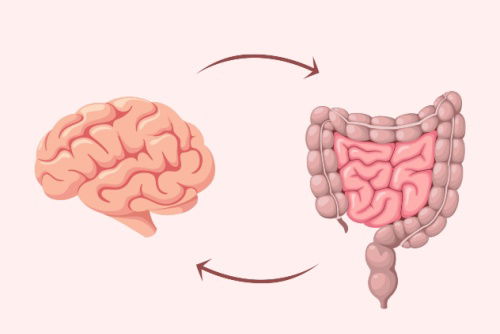
Your gut microbiome is home to trillions of microorganisms that play a crucial role in metabolism and overall health. Although imbalances in your gut flora can lead to metabolic issues, it is a more diverse range of bacteria that can support key functions by breaking down complex carbohydrates and fibers into short-chain fatty acids. These SCFAs then fuel cells in the digestive tract, regulate appetite hormones and influence storage of excess energy as fat.
Dietary intake plays a major role in shaping your microbiota. Whereas diet plays a key role in shaping your microbiome, it is the fiber-rich foods and probiotics that can enhance bacterial diversity. On the other hand, consumption of highly processed foods can allow overpopulation of harmful microbes. Beyond digestion, your gut acts as an engine for synthesizing nutrients, absorbing lipids and producing Vitamin K and B12. Disruptions in this balance are often associated with depression and anxiety.
Why protein-forward, low-carb nutrition includes the right vegetables...
To support gut health, fat loss, and insulin sensitivity, focus on "protein-friendly" vegetables that pack a punch of both plant protein and prebiotic fiber. High-fiber, low-carb options like leafy greens (spinach, kale, chard) and cruciferous vegetables (broccoli, cauliflower, Brussels sprouts) are ideal staples; they stabilize blood sugar, keep you satiated, and fuel beneficial gut bacteria. Incorporating colorful vegetables like peppers and tomatoes adds vital antioxidants, while specific choices like bitter gourd can even offer insulin-mimicking benefits.
“At Metabolic Research Center, our approach is protein-forward and low-carb*—but that doesn’t mean vegetables are off the table. The right non-starchy vegetables play a critical role in metabolic health, gut function, and sustainable fat loss.”
Dana McKeen, CEO & Regional Director
The worst foods that are related to unintended weight gain are refined carbohydrates that have added sugars, like those in soda, candy, white bread, pastries, sugary cereals, and white rice. In general, simple carbs lack fiber, cause rapid blood sugar spikes, trigger insulin release, and promote abdominal fat storage, while offering little nutrition. Unfortunately, consuming large amounts of high-glycemic, starchy vegetables like potatoes, certain squash or corn, as well as the routine intake of simple carbs from processed sources are indeed metabolic culprits.
Disrupted Gut Flora Can Increase Weight Gain
The gut microbiome is a complex ecosystem of bacteria, viruses, fungi, archaea, and other microorganisms living in your digestive tract. This microscopic community is crucial for human health, aiding in digestion, breaking down food, synthesizing vitamins, and educating the immune system. A balanced microbiome is linked to improved physical and mental health, while an imbalance (known as dysbiosis) is associated with various metabolic disorders. Your gut and brain are in constant contact as gut microbes activate the vagus nerve.
While weight gain fundamentally occurs when your calorie intake exceeds expenditure, your gut health also plays a surprising role in this process. If your body need energy, adipose tissue mobilize stored fat through lipolysis. However, researchers have found that the makeup (or diversity) of your gut microbiome affects how your body harvests and stores energy. In obese individuals, their microbiome may be more efficient at extracting calories from the same amount of food compared to someone with a different microbial composition.
About 95% of your body’s serotonin and other mood regulators used for chemical signaling, are produced via the microbiota gut-brain axis. This highly efficient bidirectional communication link contributes to good gut health with fewer microbiome imbalances and a stronger gut lining that helps prevent the systemic spread of inflammation that can trigger additional fat storage. As research advances, personalized microbiome testing could offer tailored insights for maintaining optimal wellbeing for healthy living.
Disruptions in gut bacteria diversity are associated with the chronic release of low-grade inflammatory substances. This inflammation can boost insulin resistance, leading to higher blood sugar levels and serious metabolic issues like type 2 diabetes and non-alcoholic fatty liver disease. When the body's fat storage capacity is exceeded, visceral fat can accumulate deeper around internal abdominal organs that potentially makes weight loss and weight control increasingly more difficult.
A Synbiotic Approach to Metabolic Health
To improve your gut microbiome, experts often recommend a “synbiotic” approach that combines probiotics and prebiotics. Since probiotics can sometimes be destroyed by heat or digestion, consuming prebiotics ensures the beneficial bacteria in your gut microbiome have the fuel they need to survive and thrive. Maintaining a healthy gut through good dietary and lifestyle choices not only lowers your risk of developing chronic conditions but supports your mental well-being and overall metabolic health.
- Dietary Changes – While diet alone may not prevent metabolic issues, it plays a crucial role in your overall health. A balanced, whole-food diet rich in fiber is strongly linked to better well-being, whereas diets high in processed foods and sugar are associated with metabolic problems. That’s because, to support a healthy gut, you need to provide it with the right fuel. A diet rich in fiber acts as a prebiotic and feeds the beneficial microbes in your gut. But consumption of overly processed foods that are high in sugars, salt and unhealthy fats, can disrupt the balance of microbiome, and dysbiosis may lead to an overgrowth of harmful bacteria and a greater risk of digestive disorders. Fermented foods like yogurt, kefir or sauerkraut are packed with beneficial live bacteria, known as probiotics, that support a reduction in inflammation and a stronger immune response. The fermentation process creates postbiotics as healthy byproducts that can interact with your immune cells to nourish good bacteria.
- Lifestyle Adjustments – While a healthy diet is crucial for gut health, other lifestyle factors play an equally important role. Managing stress, exercising daily, getting enough sleep, and using antibiotics carefully can significantly support a diverse gut microbiome. Engaging in moderate exercise boosts the population of beneficial bacteria in your gut. This increase in microbial diversity promotes more efficient digestion and improves gut motility, which helps prevent constipation. Additionally, A good night's rest is essential for a healthy gut. Poor sleep quality can disrupt your gut's natural rhythm and negatively impact its microbial balance, potentially leading to inflammation. Aim for seven to nine hours of quality sleep each night and try to maintain a consistent schedule. Since your gut and brain are in constant conversation through the gut-brain axis, your body naturally releases cortisol hormone that can quickly disrupt the delicate balance in your gut microbiome, weakening your immune system.
- Gut Health Supplements – A weakened or disrupted gut microbiome struggles to control potentially harmful bacteria, which can lead to recurring health issues. So, what you eat directly shapes your gut microbiome and a "Western diet" that is typically high in processed, calorie-dense foods, can alter the composition of bacteria, fungi, and viruses in your gut, promoting a microbial environment linked to obesity. Conversely, nurturing a healthy gut can require a more holistic approach. While a balanced diet is the best foundation for good gut health, certain supplements can provide extra support for crucial metabolic processes. Working with a weight management coach to integrate prebiotics, probiotics and healthy habits can create a supportive ecosystem for shedding unintended weight gain. However, research is still ongoing to determine if microbial changes in the gut are a direct cause of obesity or simply a consequence of obesity itself.
The gut microbiome is such a powerful metabolic engine that some health experts consider it to be an additional organ, as this diverse community of trillions of microorganisms has been linked to healthier body weights and sustainable weight management. Moreover, the science suggests lifestyle factors like diet and exercise are indeed major players in the obesity epidemic and your gut health is a crucial piece of the overall puzzle. While small improvements can be seen in just a few weeks, long-term changes generally take several months to achieve.
_____________________
*Protein-First: How Low-Carb Vegetables Support Weight Loss
While your gut’s initial composition is shaped at birth; it is your lifestyle choices and aging throughout adulthood that defines the day-to-day function of your microbiota. To cultivate a microbial ecosystem that supports long-term weight management, we start by focusing on a holistic (whole person), but uniquely personalized (individual needs) approach that has been developed over several decades of applying the latest science for weight control. Plus, unlike plant-based diets, our approach prioritizes protein to preserve lean mass.
To better support your gut flora, a weight loss coach at MRC will help you design a menu plan that features “protein-forward, low-carb nutrition” with non-starchy, fiber rich vegetables that are micro-nutrient dense to aid microbial balance for better metabolic health and wellness. Your gut also plays a crucial role in how bacteria activate, inactivate, or create toxic byproducts from medications. This interaction is especially important for those using GLP-1 weight loss medications or blood glucose regulators, as gut bacteria can impact bioavailability.
In addition, Metabolic Research Center can assist with your body’s specific needs for probiotics and prebiotics, as well as other weight-related supplementation that may be needed due to specific health issues. Reducing stress, getting adequate sleep, and exercising regularly also promote a healthy gut microbiome. Whether you prefer a prescriptive medical weight loss plan or select a more traditional approach for healthy living, our team can help you identify the best options for maintaining a healthy gut microbiome.
By submitting this form, you agree to receive marketing text messages from us at the number provided, including messages sent by autodialer. Consent is not a condition of any purchase. Message and data rates may apply. Message frequency varies. Reply HELP for help or STOP to cancel. View our Privacy Policy and Terms of Service.