Hormones Impact Weight Gain in Men and Women
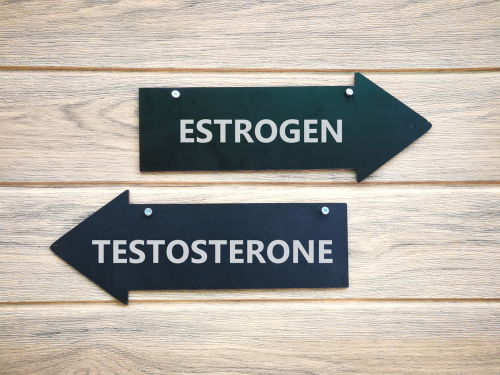
While poor diet and lack of exercise are common causes of weight gain, hormonal imbalances can also contribute to packing on the pounds. To tackle hormonal weight gain, it's important to restore balance hormone production and release.
Hormone production and release may naturally decrease with age, while some actually increase. Since hormones are potent messengers, even small amounts can have significant effects. How hormones interact determines the speed of response.
Your endocrine system plays a major role in regulating all of your body's processes and is made up of hormones and the glands that produce and release them. These hormones are pretty powerful and control everything from mood to weight gain. Hormonal weight gain affects men and women differently. But, it's not just natural occurrences that can mess with their hormones, medical conditions, lifestyle habits and endocrine glands can cause imbalances in either.
Hormone Testing Can Identify Critical Imbalances
Simple hormone testing can identify imbalances in thyroid, reproductive, and stress hormones that can impact healthy weight management. Discussed below are some that can work alone or in unison, including:
Estrogen: Women who are overweight often have high levels of estrogen similar to a woman during early stages of pregnancy. When estrogen production declines, it can lead to insulin resistance and higher blood glucose levels often lead to fat gain.
Progesterone: When there's not enough progesterone, women may experience irregular periods, headaches, mood changes, and even loss of sleep. Men with low testosterone levels may have a low sex drive, hair loss, fatigue, and loss of muscle mass.
Testosterone: Men typically experience a gradual decline in testosterone as they age, while women can experience a sudden drop in estrogen production, and the subsequent imbalances can result in similar problems including weight gain and difficulty losing weight.
Insulin: Although natural parts of your fight or flight mechanism, the combined effect of excess insulin and elevated cortisol levels from stress can lead to dangerous drops in blood sugar levels and unexpected weight gain over time. Regulating glucose levels is essential for healthy living.
Cortisol: When you feel like indulging in fries and a milkshake instead of eating a balanced meal, it may be due to excess cortisol from either immediate or constant stress, or both. To boot, excess hormone can lower testosterone levels and slow your metabolism.
Thyroid Hormone: One of the key symptoms of hypothyroidism is having to go up a few pant sizes. When the thyroid doesn't produce enough hormones, the metabolism slows down, reducing the calories needed by the body and leading to weight gain. Even mild cases of hypothyroidism can increase the risk of weight gain and obesity.
Since men tend to gain excess weight in the abdominal area while premenopausal women typically add pounds around the hips and thighs, strategies for correcting imbalances involving the same hormones can differ. Along with lifestyle changes, you may also need to consider replacement therapy or medications.
If you are tired of gaining weight for no reason, it might be due to hormonal imbalances. Leptin, insulin, estrogens, androgens, and growth hormone all play a role in our appetite, metabolism, and body fat distribution. Check out the MRC Hormone Test Kit at Metabolic Research Center online.
By submitting this form, you agree to receive marketing text messages from us at the number provided, including messages sent by autodialer. Consent is not a condition of any purchase. Message and data rates may apply. Message frequency varies. Reply HELP for help or STOP to cancel. View our Privacy Policy and Terms of Service.