Cortisol Influences Fat Storage
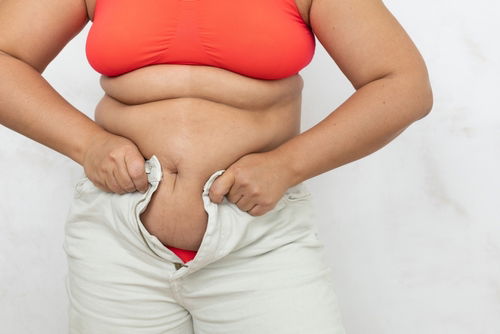
When you're stressed, cortisol naturally stimulates your appetite and increases cravings for sweet, fatty, and salty foods. This creates a surge of energy that was once vital for survival but is rarely needed in today's world. Unfortunately, when you consume these high-calorie foods without burning the energy, your body converts the excess into triglycerides and stores them as fat. Your body does store some energy as glycogen in your liver and muscles, but these reserves are limited.
Poorly managed stress can create challenging hormonal cycles. Elevated cortisol levels not only promote fat storage but also decrease testosterone production, which can reduce fat-burning muscle mass. Less lean muscle tissue means your body naturally burns fewer calories at rest, which make long-term weight control more difficult. So, managing daily stress is crucial for maintaining healthy cortisol levels and preventing unintended weight gain with unsightly fat deposits.
Initially, your body stores excess energy as subcutaneous fat just beneath the skin. But when these fat cells reach capacity, they either expand or trigger the creation of new fat cells through hyperplasia. More concerning is when fat storage exceeds safe subcutaneous limits and begins accumulating around vital organs as visceral fat. While small amounts of visceral fat provide organ protection and support immune function, excess accumulation creates serious health risks.
Chronic health risks of visceral fat deposits.
Cortisol mobilizes energy by triggering glucose release from the liver and regulating various metabolic processes. However, when cortisol levels remain consistently high, several problematic changes occur. Chronic stress can disrupt normal metabolic processes and push the body toward fat storage rather than fat burning. In fact, cortisol spikes amplify visceral fat accumulation around the midsection that can lead to insulin resistance and metabolic dysfunction due higher concentrations of enzymes that convert cortisone into active cortisol.
Visceral vs Subcutaneous Fat: The difference in danger of health risks between visceral fat and subcutaneous fat stems primarily from metabolic activity as well as the substances released. Excess visceral fat is more metabolically active and can release free fatty acids and other fat metabolites directly into the liver’s portal system. This can impair hepatic function, lead to fatty liver disease, and cause poor regulation of glucose and insulin metabolism.
Modern life definitely presents different challenges than those faced by early humans. So, understanding how cortisol affects fat storage can empower you to make proactive choices for improving your metabolic health. After all, deeper deposits of visceral fat has been linked to numerous chronic conditions and more serious metabolic complications. Rather than letting daily stressors control your wellbeing, take charge by implementing some simple wellness strategies that can keep cortisol levels and visceral fat storage in check.
Stress Hormones Can Slow Metabolism
Ever wondered why stress seems to trigger weight gain, especially around your midsection? The answer lies in cortisol, a powerful stress hormone that significantly influences fat storage and distribution throughout your body. The fat gained from cortisol surges often creates what's commonly called a "cortisol belly" that is a toxic accumulation of abdominal fat that significantly increases disease risk, such as type 2 diabetes, cardiovascular disease, high blood pressure, stroke risk, metabolic syndrome, and certain types of cancer.
- Increased Food Cravings – Excess cortisol increases appetite, creates cravings for less healthy food choices, and promotes overeating, as part of cortisol’s perfect storm of long-term health consequences.
- Cortisol Production in Tissues – When this hormone remains elevated over time, it directs excess energy into existing fat cells and even promotes the creation of new adipose fat tissues.
- Excess Glucose Due to Insulin Resistance – Chronic cortisol elevation is closely linked to insulin resistance, abdominal weight gain, high blood pressure, and abnormal cholesterol that increase health risks.
- Sleep and Hormonal Imbalances – The relationship between stress hormones, sleep quality and appetite regulation shows how chronic stress can fundamentally rewire your body’s signals for satiety.
- Visceral Fat Accumulation – Cortisol’s fat-storing signals make the body’s midsection a prime target for fat accumulation during highly stressful times. This creates a cycle for increased visceral fat accumulation.
Cortisol has a complex relationship with the body's fat metabolism. When visceral fat accumulates specifically around your internal organs rather than just beneath the skin, it is particularly problematic because visceral fat is more metabolically active than subcutaneous fat. It releases inflammatory hormones that further disrupt key metabolic processes, creating a harmful cycle of weight gain and hormonal imbalance. This creates a vicious cycle where stress leads to poor food choices, which can increase stress levels and perpetuate the problem.
Do Bodies Handle Cortisol Differently?
Cortisol is the body’s natural stress hormone that plays an important role in fat storage and overall weight gain in both women and men. However, the way this hormone affects energy burn and fat distribution varies considerably between the sexes, leading to unique health implications. When it comes to managing stress, men and women often adopt different coping mechanisms. Research from Harvard Health suggests that women are more prone to turning to high-calorie "comfort foods" as a way to cope, which can lead to increased calorie intake.
On the other hand, men are often more inclined to resort to other habits like smoking or drinking under pressure. These behavioral differences are compounded by hormonal factors. While both sexes release cortisol in response to stress, women also tend to secrete more oxytocin. Known as the "bonding hormone," oxytocin can buffer some of cortisol's negative effects and encourages social connection as a coping strategy, while men more often choose to participate in physical activities and recreational sports.
Furthermore, obesity adds another layer of complexity. In obese individuals, cortisol clearance from the body can be altered, potentially leading to heightened cortisol activity in key tissues like the liver and visceral fat. This can create a cycle of stress, unhealthy eating, and further weight gain. So, recognizing differences in how individuals respond to stress allows you adopt personalized weight control strategies for managing stress-related fat gain and improving metabolic health and overall well-being.
______________________
If you are looking for a weight management plan personalized for your body, your lifestyle and your goals, MRC The Villages is here to help. Metabolic Research Center has been helping people just like you to restore metabolic efficiency for decades. Take our 2-minute quiz to “Find Your Fit” and discover how our whole body wellness approach can put you on the right track. After all, we don’t believe in fad dieting and you’ll receive an instant download for our FREE Kickstart Guide that includes meal planning, recipes and much more.
By submitting this form, you agree to receive marketing text messages from us at the number provided, including messages sent by autodialer. Consent is not a condition of any purchase. Message and data rates may apply. Message frequency varies. Reply HELP for help or STOP to cancel. View our Privacy Policy and Terms of Service.