Boost Metabolism with Sustainable Fat Loss
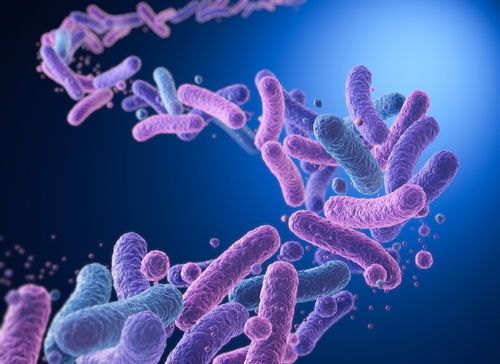
To cultivate beneficial gut bacteria that produce short-chain fatty acids for microbial balance that boosts metabolism, eat fiber-rich foods, fermented foods, probiotic supplements, prebiotics like garlic, and polyphenols that contain antioxidants from green tea or berries. In addition, limit or avoid highly processed foods, sugar or unhealthy fats that harm microbial diversity, be mindful of antibiotic use, and add physical activity to your daily regimen.
Boosting your metabolism by promoting a balanced gut microbiome also includes lifestyle changes that are known to foster beneficial bacteria and manage cellular gut inflammation that can lead to fat storage. After all, an imbalanced microbiome can impact how many calories that your body’s energy harvesting extracts from food. Plus, an overgrowth of harmful gut bacteria can lead to “leaky gut” and systemic inflammation that is linked to both insulin resistance and metabolic dysfunction.
How protein-forward, low-carb nutrition includes the right vegetables...
Building a plate that is both low-carb and gut-friendly is easier than you might think. Start by loading up on leafy greens like spinach and arugula, along with non-starchy favorites such as zucchini, cucumbers, and asparagus. These provide essential nutrients without the carb heavy-hit. To really boost your microbiome, prioritize fiber-rich foods like broccoli, Brussels sprouts, and fermented options like sauerkraut, which help feed good bacteria and reduce inflammation. By combining these veggies with gut-healthy plant proteins, you can maintain steady blood sugar levels.
“At Metabolic Research Center, our approach is protein-forward and low-carb*—but that doesn’t mean vegetables are off the table. The right non-starchy vegetables play a critical role in metabolic health, gut function, and sustainable fat loss.”
Dana McKeen, CEO & Regional Director
Beneficial bacteria in your gut microbiome ferment undigestible dietary fiber to produce short-chain fatty acids like butyrate, propionate and acetate that regulate glucose metabolism to reduce inflammation and improve overall insulin sensitivity. Generally speaking, your body’s gut-brain axis is very efficient at releasing appetite and satiety hormones through its bidirectional chemical signaling. Probiotic supplements, prebiotic supplements and postbiotic compounds can be useful with the right strains selected for your specific needs to balance your gut microbiome.
Obesity Microbes May Increase Extraction
The human gut is a unique and intricate microbial community of trillions of microorganisms living in your intestinal tract that enable the absorption of dietary energy from foods not digested or absorbed in the small intestine. Several important epidemiologic studies have shown that dietary intake and modern lifestyles can alter the commensal microbes and increase the risk of metabolic disorders and even cognitive processes, such as learning and memory. However, establishing causal relationships can be somewhat challenging.
Fermenting indigestible fiber into fatty acids, such as acetate that influences release of PYY and GLP-1 hormones, propionate that is signaling molecule for immune homeostasis and butyrate that provides 70% of energy for colon cells, can aid microbial balance but obesity-related microbes can increase energy harvest and absorption for fat deposition. Moreover, obese individuals often have a less diverse microbiota with an increase in Firmicutes, which are more efficient at energy extraction and can be a cause of unintended weight gain.
Your gut microbiota influences host gene expression that promotes fat storage, which in turn enhances the cellular uptake of fatty acids and the accumulation of triglycerides in adipose tissue. Simply stated, this leads to a more efficient absorption of both carbohydrates and fats from daily food intake directly into the bloodstream and increases storage of excess energy in fat deposits. This interaction can boost secretion of the gut hormone glucagon-like peptide-1 that regulate appetite and slow gut motility to allow for even more energy harvesting.
Metabolic Processes for Gut Balance
Energy metabolism is one of the body’s most complex processes where the fuel contained in macronutrients like carbohydrates, lipids, proteins, and alcohol is converted into other forms of energy. So, your daily dietary intake independently affect energy metabolism because each nutrient has a differing thermic effect. In example, carbs and proteins contain less metabolizable energy by weight as compared to fats. Moreover, changes in nutrient intake can alter gut microbiota and stool energy loss differently in lean individuals than those who are obese.
Here’s how it works:
- Energy Extraction and Storage – Since changes in the host physiology impact the microbiome, increased physical activity combined with different diets can lead to more efficient energy extraction and lipid storage. Adding low-energy-density vegetables that are high in volume, water and fiber to your personalized menus can help you manage energy extraction and fat storage by promoting fullness with fewer calories. Rich in magnesium, dark leafy greens help fight fatigue and provide important antioxidants.
- Production of Short-Chain Fatty Acids – The production of short-chain fatty acids by gut bacteria from dietary fiber are crucial for maintaining a healthy gut microbiome. This favors beneficial gut bacteria that provide energy for colon cells to strengthen the gut barrier, regulate immunity, and influence host metabolism, appetite, and even brain health. This means that your collection of gut flora are the central mediators between your bidirectional gut-brain axis, primarily via the vagus and sympathetic nervous systems.
- Immune System Modulation and Inflammation – A need exists for intricate balance in the interplay between your gut microbiome, microbial diversity, local immune response, and systemic inflammation in your intestinal tract and beyond. It is your gut flora that supports immune modulation and anti-inflammation by producing metabolites to calm immune cells, promote regulatory T cells for increased tolerance, strengthen the barrier to block pathogens, and shape immunity for responses that ensure homeostasis.
- Bile Acid Metabolism – Bile acid metabolism supports good gut health by shaping the composition of your microbiome. Through antimicrobial effects that act as signaling molecules, microorganisms can trigger host defenses, influence nutrient availability, and transform primary bile acids into more diverse secondary bile acids that your gut-brain’s bidirectional crosstalk can use to directly kill or inhibit harmful bacteria by preventing overgrowth. This strengthens the gut barrier and controls bacterial translocation.
- Nutrient and Drug Metabolism – Nutrient and drug metabolism by microbes creates beneficial compounds like short-chain fatty acids that nourish microbial cells and help process food, drugs and medications. Healthy gut functions can directly modify medications into active or inactive forms that can impact drug effectiveness while turning food components (nutrients) into diverse and bioactive signaling molecules that play a key role in maintaining homeostasis for intestinal balance.
There is a reciprocal relationship as what you eat, especially proper amounts of fiber while avoiding excess consumption of sugar and fat, dictates which microorganisms in the gut survive and thrive for improved metabolic capabilities. Moreover, medications can kill certain beneficial gut bacteria and change the nutrient landscape as well as your gut ecosystem’s metabolic potential. In homeostasis, a diverse microbiome that is supported by a balanced diet performs many vital functions, while imbalances from poor dietary intake or drugs can lead to systemic inflammation and metabolic disease.
_____________________
*Protein-First: How Low-Carb Vegetables Support Weight Loss
While your gut’s initial composition is shaped at birth, it is your lifestyle choices and aging throughout adulthood that defines the day-to-day function of your microbiota. To cultivate a microbial ecosystem that supports long-term weight management, we start by focusing on a holistic (whole person), but uniquely personalized (individual needs) approach that has been developed over several decades of applying the latest science for weight control. Plus, unlike plant-based diets, our approach prioritizes protein to preserve lean mass.
To better support your gut flora, a weight loss coach at MRC will help you design a menu plan that features “protein-forward, low-carb nutrition” with non-starchy, fiber rich vegetables that are micro-nutrient dense to aid microbial balance for better metabolic health and wellness. Your gut also plays a crucial role in how bacteria activate, inactivate, or create toxic byproducts from medications. This interaction is especially important for those using GLP-1 weight loss medications or blood glucose regulators, as gut bacteria can impact bioavailability.
In addition, Metabolic Research Center can assist with your body’s specific needs for probiotics and prebiotics, as well as other weight-related supplementation that may be needed due to specific health issues. Reducing stress, getting adequate sleep, and exercising regularly also promote a healthy gut microbiome. Whether you prefer a prescriptive medical weight loss plan or select a more traditional approach for healthy living, our team can help you identify the best options for maintaining a healthy gut microbiome.
By submitting this form, you agree to receive marketing text messages from us at the number provided, including messages sent by autodialer. Consent is not a condition of any purchase. Message and data rates may apply. Message frequency varies. Reply HELP for help or STOP to cancel. View our Privacy Policy and Terms of Service.