What Are Fat Storage Regulators?
“Visit MRC Springfield to Learn More About Hormone Balance”
Key fat storage regulators include molecules, hormones, and genes. These messengers manage how your body stores energy in adipose (fat) tissue as well as how it releases it during exercise or fasting. For example, insulin hormone is a primary regulator of lipogenesis (fat storage) and naturally inhibits the breakdown of fat. Catecholamines (adrenaline) trigger the breakdown of stored fat (lipolysis) during fasting or exercise, and leptin secreted by fat cells signal satiety.
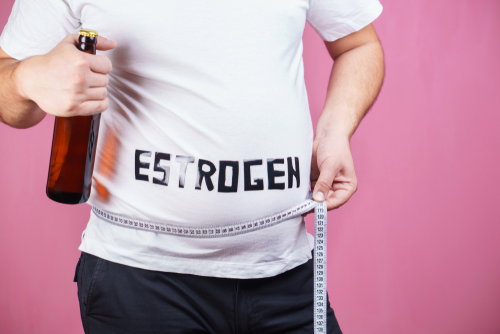
Sex hormones play a significant role in how, when and where fat is distributed. Estrogen dominance can slow metabolism while simultaneously triggering the body to store fat in women around their hips and thighs and in men mostly as belly fat. Testosterone levels, on the other hand, can inhibit release of a key digestive enzyme (or not) that breaks down triglycerides (dietary fats) into smaller fatty acids (hydrolysis), which allows the body to absorb and use fats for energy.
Moreover, higher estrogen levels frequently cause fluid retention (bloating) in addition to rapid fluctuations in weight gain. Abnormally high estradiol levels also decrease insulin sensitivity and make the body more likely to store fat that leads to increased insulin production. Other hormonal imbalances involving estrogen, testosterone, and progesterone disrupt both thyroid function and chemical signaling in metabolic pathways that cause the body to burn fewer calories at rest by lowering an adult’s basal metabolic rate (BMR).
Common causes of excess estrogen hormone...
Estrogen dominance in both men and women is commonly linked to obesity. After all, fat tissue converts androgens into estrogen via the aromatase enzyme that converts testosterone into estradiol, plus natural aging increases aromatase to accelerate conversion. Moreover, a higher body fat percentage in either sex directly correlates to increased estrogen production and release. In addition, environmental chemicals can mimic estrogen (xenoestrogens) and are found in pesticides, personal care products, and certain plastics. Heavy alcohol consumption inhibits your liver’s ability to break down and detoxify excess levels of estrogen that tend to buildup in your body. With liver disease (cirrhosis, fatty liver), it can causes a sluggish response from this key metabolic organ, as the liver cannot effectively eliminate excess estrogen. Additionally, chronic stress elevates cortisol hormone that can disrupt progesterone-estrogen balance, which leads to estrogen dominance. Most often, high estrogen causes breast enlargement, erectile dysfunction and belly fat in men, while in women excess estrogen is also linked to heavy periods and increased risk of certain cancers.
PROTEIN FORWARD FOODS THAT REDUCE FAT STORAGE
Protein-forward foods that reduce fat storage are characterized by low calorie-density, a strong protein-to-calorie ratio, and boost satiety to lessen overall daily food intake. For starters, a healthy protein-to-calorie ratio naturally supports metabolism and helps to prevent loss of calorie-burning muscle mass. Since protein has a high thermic effect of food, it requires more calories to be burned for your body to break it down and absorb it compared to fats and carbohydrates. Plus, protein helps repair and preserve muscle during a calorie deficit.
For those using a prescriptive glucagon-like peptide-1 (semaglutide) or GLP-1/GIP (tirzepatide), most users should consume about 30 grams of high-quality sources of protein each meal to preserve muscle mass during rapid weight loss due to less daily food intake. But, prioritize lean sources like pasture-raised eggs, skinless chicken, omega-3 fatty fish, low-fat Greek yogurt, cottage cheese, tofu, and non-starchy vegetables. Supplements, such as protein shakes and drinks, are great for planned snacks to help bridge the gap to boost muscle preservation and repair.
The high thermic effect of food means both animal and plant-based sources of protein require more energy to digest and absorb, which means your body must naturally burn more calories when processing the bulk of your dietary intake. Moreover, consistent protein consumption helps to prevent your metabolism from slowing down due to less food intake while supporting retention of calorie-burning muscle. Simply stated, eating lean sources of protein each day will keep you feeling full longer to naturally reduce overall calorie consumption.
___________________
Fat cells (adipose tissue) can function like an active endocrine organ and secrete proteins that directly influence metabolism, and key metabolic pathways are modified by energy sensors. Although many chemical messengers are involved in energy metabolism, insulin that usually spikes after eating carbohydrates is the primary hormone that inhibits fat breakdown and promotes fat storage. A key lifestyle issue involves avoiding high-fat, high-glucose food intake that can trigger hormonal, genetic, and metabolic cues for fat storage. If you’re trying to decide whether a prescription-based weight loss plan or a more holistic metabolic weight loss program is right for you, contact MRC Springfield today. One of our weight loss coaches will be in touch to discuss how hormone imbalances, genetic factors and key lifestyle habits may have slowed your metabolism and led to unintended weight gain. After all, hormonal balance can be restored and disrupted metabolic rates can be reset with a personalized approach.
By submitting this form, you agree to receive marketing text messages from us at the number provided, including messages sent by autodialer. Consent is not a condition of any purchase. Message and data rates may apply. Message frequency varies. Reply HELP for help or STOP to cancel. View our Privacy Policy and Terms of Service.