Protein-Forward Foods to Support GLP-1
“Visit MRC Salem to Learn More About When to Eat What“
Experts say follow a personalized protein-forward menu by consuming sources of protein at the beginning of your meal before eating your vegetables or complex carbohydrates can help to ensure that you reach your weight goals for long-term weight control. Due to the slowed digestion and reduced appetite, eating smaller but more frequent meals that combine lean protein with leafy greens, broccoli, or edamame supports using GLP-1 weight loss medications.
Lean proteins also stimulate natural GLP-1 production, even for those who qualify for a prescriptive semaglutide or tirzepatide, to help preserve critical muscle mass despite the reduction in daily calorie intake. So, aim to consume high-quality nutrient-dense sources of lean proteins at every meal, ideally eating the protein portion first when appetite is strongest. Most experts recommend a protein-forward breakfast within the first hour after waking up.
When using GLP-1 receptor agonists, it is important to maintain energy levels to avoid an overall slowdown in metabolic processes that without proper nutrition can leave you feeling fatigued. Moreover, prioritizing nutrient-dense sources of whole foods like low-carb options can provide excellent plant-based sources of protein that remain gentle on the stomach to prevent nausea and other gastrointestinal side effects. Low-sugar protein shakes are incredibly helpful if reduced appetite or nausea make chewing solid foods more difficult.
Does eating protein first help shed unintended weight gain?
In general, consuming high-quality sources of protein first in a meal, as well as at breakfast when you’re starting your day, can aid your weight loss efforts. The protein-first strategy naturally increases your sense of fullness to reduce release of hunger hormones and boost metabolism. For starters, this reduces your daily intake of calories, helps to stabilize both blood sugar levels and insulin sensitivity, and preserves critical muscle mass. While reducing the overall impact of the hunger hormone ghrelin, eating protein-first early after fasting during sleep immediately signals your gut to release glucagon-like peptide-1 (GLP-1) and peptide-like YY (PYY) satiety hormones to slow digestion. Plus, compared to carbohydrates and fats, proteins have a higher thermic effect of food (TEF) that burns more calories just by digesting and metabolizing the “powerhouse” macronutrient. But, remember to eat your lean proteins like meats or tofu first followed by low-carb, non-starchy whole foods. Any complex carbs should be saved for last in the meal and refined carbs should be avoided all together.
HIGH PROTEIN STRATEGIES FOR A GLP-1 DIET
Do you gain weight when you first start a protein-forward menu plan? The answer is yes or no and depends upon your choices; but overall the answer should be NO. Protein itself does not cause weight gain, as excess energy does through chemical signaling that tells your body to both store it and where to store it. For the most part, high-quality protein intake increases energy expenditure and helps to preserve lean tissue (muscle). So, weight gain following a personalized protein-forward diet will result in more muscle and less fat.
This can dramatically improve your body composition that’s linked to more rapid GLP-1 weight loss. Since your body handles protein differently and cannot store protein the same way as carbs or fats, a protein-forward and protein-first approach is important for ensuring a consistent delivery of protein throughout the day as the benefits of this macronutrient compounds over time with improved muscle repair and new growth. However, if you add protein to your diet without reducing calorie intake from somewhere else, fat gain can still occur from overeating.
To make more informed decisions about your daily dietary intake, it helps to understand how protein affects your specific body without exercise. That said, regular exercise can be key to maximizing the thermic effect of food associated with increased protein intake. Nonetheless, metabolic adaptation from previous calorie restriction (fad diets) can alter how your body responds to increased food intake, including protein. This is where one-on-one coaching can help you gradually increase daily intake while monitoring your overall caloric needs.
__________________
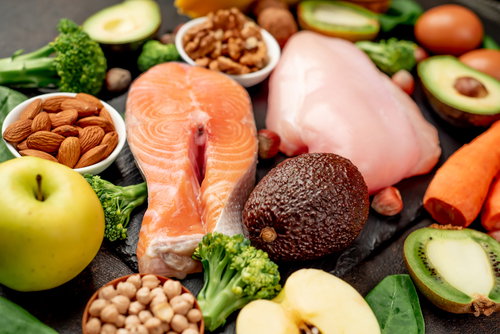
Best choices for selecting protein-forward foods while using GLP-1 medications like semaglutide or tirzepatide include nutrient-dense options like Greek yogurt, cottage cheese, eggs, chicken breasts, fatty fish, and tofu. Combining such options for meals and snacks provides two-fold benefits as improving satiety to reduce daily food intake is offset by foods that combat muscle loss to continue burning calories even when your body is at rest. If you’re trying to decide whether a prescription-based weight loss plan or a more holistic metabolic weight loss program is right for you, contact MRC Salem today. One of our weight loss coaches will be in touch to discuss how hormone imbalances, genetic factors and key lifestyle habits may have slowed your metabolism and led to unintended weight gain. After all, hormonal balance can be restored and disrupted metabolic rates can be reset with a personalized approach.
By submitting this form, you agree to receive marketing text messages from us at the number provided, including messages sent by autodialer. Consent is not a condition of any purchase. Message and data rates may apply. Message frequency varies. Reply HELP for help or STOP to cancel. View our Privacy Policy and Terms of Service.