Gut-Brain Melatonin Influences Fullness Signals
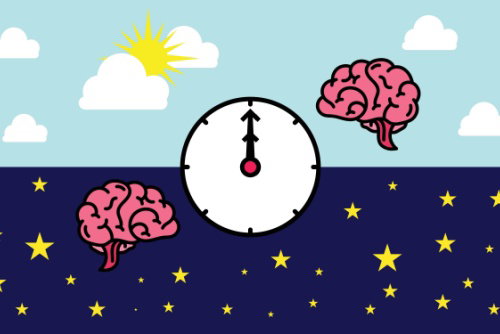
“How Nighttime Hormones Affect Appetite and Satiety”
Melatonin is best known as the hormone that helps regulate sleep, but it also plays an important role in the gut-brain axis. Produced not only in the brain but also in the gut, melatonin acts as a signaling molecule that helps regulate energy balance, satiety, and metabolism. It influences gastrointestinal motility and interacts with satiety-related signals such as leptin, helping the body recognize fullness and maintain metabolic stability.
In the gut, melatonin may help reduce nighttime hunger, support healthy blood sugar levels, and lower chronic inflammation. Research also suggests that melatonin supplementation can improve intestinal barrier function and increase satiety, which may support healthy weight management. These effects show that melatonin does more than promote sleep. It also helps coordinate several processes that impact hunger and fat accumulation.
So long-term effects of sleep deprivation go beyond just feeling hungry. Sleep quality, gut health, and melatonin are so closely connected that, when you get enough quality sleep, your body releases melatonin in a way that helps reduce late-night hunger and supports normal appetite regulation during fasting. Poor sleep, on the other hand, disrupts this process and raises levels of ghrelin, the hormone that stimulates hunger while lowering leptin that would signal satiety.
Do imbalance cause cravings for comfort foods?
Yes, it does. When you naturally feel hungry, then you probably need to eat. However, when you are suddenly obsessed with annoying food cravings for high-calorie, high-fat comfort foods that are loaded with added sugar and salt, these are chemical signals related to dysfunctional hormone levels. Imbalances make it harder to manage both cravings and portion sizes. With less sleep than needed, your body may enter a state that mimics starvation. Over time, this can contribute to overeating, insulin resistance, inflammation, and unintended weight gain. Sleep deprivation can also affect the gut microbiome by contributing to dysbiosis. This imbalance may trigger inflammation, alter neurotransmitter production, and further disrupt communication along the gut-brain axis. As a result, metabolism and appetite regulation can become even more impaired. Together, these findings highlight how deep sleep, melatonin and gut health are linked.
Protein Forward Foods Trigger Sleep Time
While protein-forward foods are most often associated with energy boosts and mental alertness, they can actually trigger sleepiness based on available light through several unique biological mechanisms. Protein helps your body produce the precursor serotonin that’s converted to melatonin to help you stay asleep throughout the night. By altering metabolic rates and triggering serotonin production, protein-forward foods can effectively prepare your body and brain for sleep. High-protein meals also release gut peptides that promote deeper sleep.
The science behind sleepiness is not only related to neurotransmitters, consuming proper quantities of protein-forward foods at the right times of day triggers the release of insulin to help tissues absorb essential amino acids. Insulin is a vital hormone that stabilizes blood sugar levels and increases insulin sensitivity. Additionally, certain proteins contain tryptophan, which is the amino acid that serves as a building block for serotonin and melatonin. Eating a protein-forward snack suppresses orexin, a neuropeptide that intentionally promotes hunger.
Nonetheless, there is a catch when it comes to getting tryptophan to your brain. Tryptophan has to compete with other amino acids to cross the blood-brain barrier. The simplest solution is to pair your protein-forward foods with a small amount of healthy, complex carbohydrates. This combination triggers an insulin release that drives those competing amino acids into your muscle cells to clear a path for tryptophan to enter the brain and do its job. There is no simple approach to getting the rest you need, but improving melatonin’s gut-brain function helps.
____________________
Lack of quality sleep dampens the prefrontal cortex that is responsible for complex decision-making and activates your brain's reward centers, making it harder to resist cravings. Leptin hormone that is produced by fat cells drops significantly, making high-calorie, sugary foods feel very rewarding. Since roughly 90% of your body’s serotonin (precursor to melatonin) is produced in the gut, disruptions make it much harder to fall asleep and stay asleep. If you’re struggling to sleep, contact Metabolic Research Center Salem today. One of our weight loss coaches will be in touch to discuss how you can get a good night’s sleep and still enjoy the weight loss benefits of a protein-first, low carb diet. After all, the quality of sleep you get isn’t just about getting through your daily grind; your gut-brain-melatonin axis is directly linked to increased risk of heart disease, high blood pressure, diabetes, kidney disease, stroke, and obesity.
*NOTE: Generally speaking, melatonin supplementation should be avoided by pregnant or breastfeeding women, those with autoimmune disease, or individuals taking immunosuppressants, blood thinners, or certain blood pressure medications.
By submitting this form, you agree to receive marketing text messages from us at the number provided, including messages sent by autodialer. Consent is not a condition of any purchase. Message and data rates may apply. Message frequency varies. Reply HELP for help or STOP to cancel. View our Privacy Policy and Terms of Service.