Which Low Carb Veggies Create a Speed Bump Effect?
“MRC Russellville Provides Strategies for Managing Blood Sugar Spikes”
Fast burner foods like simple carbohydrates digest rapidly, cause quick energy spikes, and are most often followed by blood sugar crashes that can increase annoying food cravings, especially for high-calorie, sugary and fatty comfort foods. Most people are familiar with this process, as high-glycemic foods lack the fiber needed to slow down digestion, which often ends in a burst of energy followed by a quick drop in blood sugar that causes a lethargic fatigue.
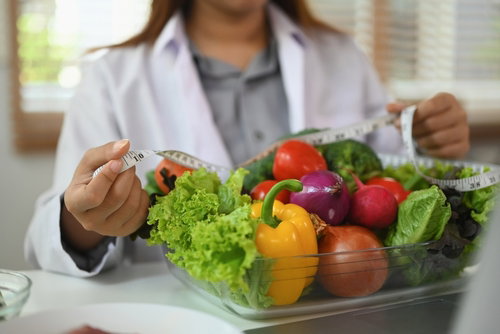
Conversely, the speed bump effect in metabolism refers to a nutritional and lifestyle strategy designed to slow the absorption of food to prevent unwanted energy crashes. Foods like non-starchy low-carb vegetables help to manage appetite, stabilize blood sugar levels, and prevent energy crashes by slowing gastric emptying so the body utilize energy more efficiently. In addition to eating low-glycemic veggies, what else you eat can also speed up or slow your BMR.
It should be noted that eating a mostly plant-based for the speed-bump effect does not require you to give up animal sources of lean protein. It simply means consuming low carb vegetables first can initially set a slow digestive pace to be followed by lean meats, dairy products and sources of healthy fats. A protein-forward plant-based start can be highly beneficial by causing the body to become more metabolically active with an added bonus of filling up faster and feeling full longer. Both are essential for losing weight and keeping lost weight off. But, also avoid ultra-processed foods that are equally efficient at slowing metabolic rate.
Fast-burner foods that lead to a “slip-n-slide” effect...
The best speed bump foods provide sustained energy and include lean proteins, healthy fats and high-fiber whole foods that take longer to break down and help to prevent energy crashes. On the other hand, fast burner foods cause rapid spikes and even more rapid post-meal crashes. These include refined grains like white bread or white rice, sugary snacks and beverages, and fried foods that are notorious for causing inflammation and energy-robbing feelings of fatigue. These foods are digested immediately and disrupt metabolic efficiency. Over consumption of simple carbohydrates can quickly boost energy but are most often followed by a dreaded crash for a slip-n-slide effect. Fact is, these refined, high-glycemic sugary or starchy foods release a rush of glucose into the bloodstream that releases high levels of insulin, which can lead to a quick drop in blood sugar causing even more cravings for high-calorie comfort foods.
CORE FOODS FOR YOUR SPEED BUMP NUTRIENT GROUP
As mentioned above, the speed bump effect in nutrition refers to those foods that naturally slow down digestion to provide steady, sustained energy levels rather than a quick spike followed soon after by a blood sugar crash. These core foods for your speed bump nutrient group include high-fiber whole foods, lean protein, and healthy fats. Fiber acts as an internal speed bump that slows absorption of glucose. Lean sources of protein require more energy to break down and healthy fats slow digestion to reduce appetite and caloric intake.
Generally speaking, protein forward menu plans help your body maintain critical muscle mass. Since muscle tissue is metabolically active, protein supports repair and growth of new muscles that burn calories even while your body is at rest. In addition, digesting protein requires more energy to be expended than other macronutrients like carbs or fats. This digestive process is known as the Thermic Effect of Food. A non-food related thermogenesis called NEAT can add hundreds of calories to your daily burn by increasing activities by standing or fidgeting.
Building a daily menu plan based on core speed-bump vegetables usually starts with detoxification process where you simply eliminate overly processed foods and is followed by incorporating metabolism-support foods like chili peppers (capsaicin), leafy greens, berries, cruciferous vegetables, broccoli, cauliflower, and avocados. Moreover, it is crucial to avoid refined sugar, white flour, processed snacks, high fat dairy, processed fruit juices with added sugar, and alcohol. Maintaining a consistent calorie deficit of speed-bump vegetables is one of the core principles of metabolic eating for better weight control.
____________________
The "speed bump effect" refers to eating high-fiber, low-carb vegetable proteins first in a meal. This acts like a physical barrier that slows down the digestion and absorption of sugars from subsequent food intake. When you consume non-starchy vegetables (like leafy greens, broccoli, or asparagus) at the start of a meal, their fiber creates a gel-like mesh in your digestive tract to slow gastric emptying. In turn, the speed bump is already in place prior to digestion of other macronutrients. If you’re trying to decide whether a prescription-based weight loss plan or a more holistic metabolic weight loss program is right for you, contact MRC Russellville today. One of our weight loss coaches will be in touch to discuss how hormone imbalances, genetic factors and key lifestyle habits may have slowed your metabolism and led to unintended weight gain. After all, hormonal balance can be restored and disrupted metabolic rates can be reset with a personalized approach.
By submitting this form, you agree to receive marketing text messages from us at the number provided, including messages sent by autodialer. Consent is not a condition of any purchase. Message and data rates may apply. Message frequency varies. Reply HELP for help or STOP to cancel. View our Privacy Policy and Terms of Service.