Turning Up Brown Fat to Boost Calorie Burning
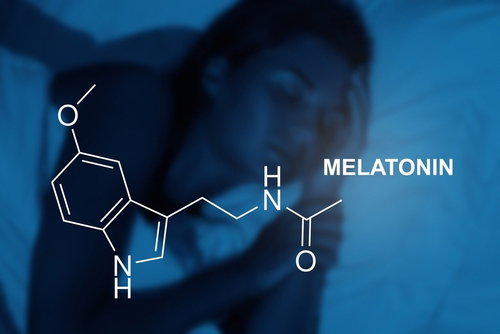
“Why Researchers Are Studying Melatonin’s Potential”
Researchers are taking a closer look at melatonin to understand its role in boosting calorie burn. Melatonin acts as a regulator of brown adipose tissue (BAT), effectively turning "bad" white fat into metabolically active "good" beige fat. This process, known as "browning," activates thermogenesis. By elevating mitochondrial activity and increasing UCP1 protein levels, melatonin forces fat cells to burn calories for heat rather than storing them.
Moreover, studies show that correctly administered melatonin supplementation can reduce body weight and improve metabolic profiles. A recent systematic review and meta-analysis of 23 studies found that 11 showed significant improvements in weight loss, BMI, or waist circumference compared to a placebo. Interestingly, the results were most effective in studies using doses of 8 mg per day (or less) to reduce body weight by enhancing thermogenic capacity.
Studies today continue to investigate melatonin’s role as a potential metabolic switch that activates brown adipose tissue that is called good fat because it burns calories to generate heat rather than to store fat in reserve. While white fat acts as your body’s energy reservoir, brown fat is metabolically active and can dissipate excess energy. Additionally, research has shown that by stimulating good fat, melatonin helps regulate metabolic disorders and improves immune responses.
Natural ways to trick your body to activate brown fat...
While melatonin plays a crucial role, significant weight loss from brown fat alone isn't guaranteed since the overall calorie burn is modest. It is best to combine melatonin with sustainable lifestyle changes. To naturally "trick" your body into burning fat and activating BAT, focus on the following daily habits. For example, spending time in cooler temperatures naturally stimulates brown fat. Plus, you can try taking cool showers and sleeping in a cooler environment to promote activation.
Physical activity, including strength training and moderate cardio, increases adrenaline, which also activates brown fat and builds fat-burning muscle. In addition, to optimize your daily dietary intake, reduce consumption of processed foods and sugar. Instead, consume more protein, fiber-rich foods, and specific metabolism-boosters like green tea, spicy peppers, turmeric, and Omega-3s. Getting a quality night’s sleep supports healthy metabolic function like melatonin release.
However, experts today recommend using melatonin in combination with weight management strategies rather than considering it to be a standalone approach for weight control. Nonetheless, by focusing on these healthy habits rather than relying on quick fixes, you can boost your metabolism and encourage your body to use fat for fuel. A small-scale study on patients with melatonin deficiency did find that replacement therapy increased brown fat volume and metabolic activity while improving blood lipid levels.
4 Habits to Stimulate Brown Adipose Tissue
Stimulating brown adipose tissue to burn calories requires doing certain things to your body, such as exposing it to cold, engaging in physical activity, and personalizing dietary choices. Naturally, the most potent way to activate fat for browning is to regularly expose your body to shivering or near-shivering cold temperatures. In fact, sleeping in a cooler room (around 60-65 degrees) helps promote the growth of metabolically-active brown fat. Here’s some key lifestyle strategies to simulate BAT:
- Cold Exposure – Without doubt, cold is the most potent natural stimulant for turning up brown fat. End warm showers with a minute of cold water or take short ice baths. Applying ice packs to back of neck or the upper back in the evening can help activate BAT.
- Physical Activity – Strength training at least twice weekly recruits brown fat and intense aerobic exercise increases levels of irisin hormone that tells white fat to act like brown fat. Plus, workouts in cold temperatures combines benefits of regular exercise with cold exposure for greater effect.
- Nutritional Habits – Incorporate spices like capsaicin and turmeric into your dietary intake, as both have been linked to increased brown fat activity and calorie burning. In addition, intermittent fasting can promote the browning of white fat cells for greater effect.
- Quality Sleep – Since quality sleep regulates melatonin production, avoid blue light (TV, laptops and smartphones) before bedtime. Chronic stress can negatively impact metabolism, so practice self-meditation or yoga for uninterrupted sleep that keeps hunger-regulating neurons in balance.
Resveratrol is a powerful polyphenol that is naturally found in grapes, berries, and even red wine that can actually kickstart metabolic activity in brown fat cells to help your body burn energy more effectively. When it comes to snacking, celery and cucumber are famous for an incredibly low calorie count while delivering maximum crunch and volume that keeps the body feeling full without extra energy intake. Although no single drink will magically melt away visceral fat, green tea, black coffee and plain water supports hydration, boosts metabolism, and increases fat oxidation.
_____________________
To turn white fat into calorie-burning “beige” fat, you can activate brown fat through cold exposure, consumption of specific foods, and exercise. But, the actual calorie burn isn’t massive and does not replace the need for healthy lifestyle habits. Researchers say that brown fat does break down glucose and fat molecules to help maintain body temperature by turning it into heat. If you’re struggling to sleep, contact Metabolic Research Center Russellville today. One of our weight loss coaches will be in touch to discuss how you can get a good night’s sleep and still enjoy the weight loss benefits of a protein-first, low carb diet. After all, the quality of sleep you get isn’t just about getting through your daily grind; your gut-brain-melatonin axis is directly linked to increased risk of heart disease, high blood pressure, diabetes, kidney disease, stroke, and obesity.
*NOTE: Generally speaking, melatonin supplementation should be avoided by pregnant or breastfeeding women, those with autoimmune disease, or individuals taking immunosuppressants, blood thinners, or certain blood pressure medications.
By submitting this form, you agree to receive marketing text messages from us at the number provided, including messages sent by autodialer. Consent is not a condition of any purchase. Message and data rates may apply. Message frequency varies. Reply HELP for help or STOP to cancel. View our Privacy Policy and Terms of Service.