Plant Protein for Satiety and Weight Control
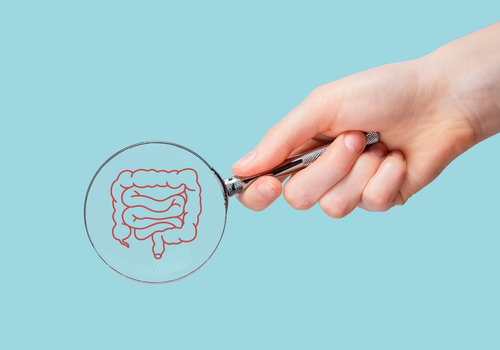
Gut bacteria play a crucial role in your overall health and wellbeing. By influencing everything from metabolism to your mood, tiny microorganisms work diligently in your digestive system to break down complex carbohydrates, produce short-chain fatty acids, and absorb essential nutrients. These SCFAs naturally trigger metabolism, nourish the cells in your digestive tract, and send chemical signals to other key molecules.
Healthy gut microbes can break down dietary components like polyphenol antioxidants and amino acids that creates metabolites that impact your body’s insulin sensitivity and overall metabolic efficiency. Conversely, bacterial imbalances in the gut microbiome (dysbiosis) can lead to metabolic issues. In fact, differences in gut bacteria may explain why some individual appear more prone to unintended weight gain.
MRC protein-forward, low-carb nutrition includes the right vegetables...
Prioritizing gut health on a keto-friendly diet means loading up on vegetables rich in prebiotic fiber and probiotics. Focus on low-carb, nutrient-dense options like leafy greens (spinach, kale, arugula) and cruciferous vegetables (broccoli, cauliflower, Brussels sprouts), which provide the essential antioxidants needed to reduce inflammation. While refined carbs and sugary foods can spike insulin and lead to abdominal fat, these keto-friendly vegetables nourish your gut bacteria without kicking you out of ketosis.
“At Metabolic Research Center, our approach is protein-forward and low-carb*—but that doesn’t mean vegetables are off the table. The right non-starchy vegetables play a critical role in metabolic health, gut function, and sustainable fat loss.”
Dana McKeen, CEO & Regional Director
When your gut barrier is compromised, often called “leaky gut,” it can lead to low-grade chronic inflammation that is a key factor in unwanted fat accumulation, especially more dangerous deposits of visceral fat in the abdominal region surrounding internal organs. Research today is exploring ways to modulate the microbiome through diet, prebiotics, and probiotics as promising strategies for preventing metabolic diseases like high blood sugar or abnormal cholesterol levels.
Gut Disruptions Interfere with Cell Signaling
Your gut and brain are in constant communication through the microbiota-gut-brain axis. In fact, about 95% of your body's serotonin, along with other key mood regulators like GABA and dopamine, is produced by your gut bacteria. Gut microbes activate the vagus nerve, which is a bidirectional neural pathway that rapidly sends signals between the gut and the brain, influencing both brain activity and your behavior. Plus, these neurotransmitters are the chemical messengers that help regulate appetite for daily food intake.
Short-chain fatty acids can cross the blood-brain barrier to help regulate immune cells and support the gut barrier’s overall integrity. Disruption in gut bacteria balance has been linked to conditions from anxiety to schizophrenia. Your microbiome is also involved in the development of the hypothalamic-pituitary-adrenal (HPA) axis that manages the body’s response to cortisol hormone released in response to stress. Dysregulation of the HPA axis is commonly seen in individuals that suffer with anxiety and depression.
Low-carb, protein-first vegetables like spinach, kale, broccoli, cauliflower, asparagus, mushrooms, and leafy greens improve cell signaling through powerful antioxidants, vitamins K & B, crucial minerals, and plant compounds that naturally reduce inflammation and support cellular function. For example, phytochemicals like lycopene in tomatoes, sulforaphane in broccoli, and unique nitrates in arugula can enhance heart, cellular, and metabolic health. These nutrients interact with cellular pathways to modulate inflammation, insulin sensitivity, and antioxidant defenses.
Low-Glycemic Vegetables for Microbial Balance
How to nurture your gut microbiome is a popular topic in many online health and wellness communities, and for good reason. The trillions of microorganisms in your intestinal tract may hold the key to understanding and managing a variety of complex health issues like metabolic syndrome. Fact is your gut microbiome begins developing shortly after birth and is even influenced by factors like your delivery mode and feeding methods. But, as you grow, environmental factors rather than genetics play a larger role shaping its composition.
1) Dietary Changes – If you want to build a healthy gut microbiome, start with your diet. Increasing your intake of fiber-rich, non-starchy vegetables and fermented foods, while simultaneously limiting highly processed foods and sugary drinks, can reduce inflammation and supports a more diverse community of microbes. To fuel a healthy gut microbiome, it's essential to include a variety of protein-forward foods with non-starchy vegetables in your diet. These foods are packed with fiber and micronutrients that nourish beneficial bacteria. Incorporating fermented foods like yogurt, kefir, sauerkraut, kimchi, and miso into your diet is a powerful way to support your gut health. These foods introduce live beneficial bacteria that enhance microbial diversity. Unfortunately, highly processed foods can significantly disrupt the balance of your gut microbiome. Often packed with added sugars, saturated fats, and salt, these foods create an environment where harmful bacteria thrive and beneficial ones struggle. Proper hydration, on the other hand, supports the mucosal lining of the intestines, promotes the growth of beneficial bacteria, and helps the body break down food to absorb nutrients efficiently. So, drinking plenty of water is crucial for maintaining a healthy digestive system.
2) Lifestyle Adjustments – Boosting your gut microbiome can start with simple but effective lifestyle adjustments. Beyond what you eat, your daily habits play a crucial role; exercise supports microbial diversity and helps you manage stress by reducing cortisol to keep your gut ecosystem thriving. Engaging in regular physical activity is a powerful way to cultivate a healthier, more diverse microbiome. Moderate exercise supports overall gut health by encouraging the growth of beneficial bacteria and improving gut motility. Not getting enough quality rest can disrupt your gut's natural rhythm and upset the balance of good bacteria, which may lead to inflammation. To support your digestive system, aim for seven to nine hours of quality sleep each night. Because of the gut-brain axis, it means psychological stress doesn’t just stay in your head; it directly impacts your digestive health. When cortisol is released due to chronic stress, it can disrupt the delicate balance of gut bacteria due to increased inflammation. While antibiotics are crucial for fighting harmful bacteria, they can also disrupt the delicate balance of your gut flora. This disruption can contribute to various health issues like a weakened immune system and metabolic disorders.
3) Gut Health Supplements & Adjustments – While it’s important to get nutrients from your diet, supplements can play a powerful role in improving your gut microbiome. Researchers are actively exploring how probiotics, prebiotics, fiber, L-glutamine, and digestive enzymes can help. They can be especially useful for restoring good gut bacteria after a course of antibiotics. Fermented foods like yogurt or kefir provide antioxidants. Think of prebiotics as the fuel that keeps your gut microbiome healthy. These specialized, non-digestible fibers act as food for beneficial bacteria, helping them thrive. Plus, unlike plant-based diets, MRC’s approach prioritizes protein to preserve lean mass for fat burning during rest. Probiotics are live microorganisms, like bacteria and yeast, that help balance your gut flora. You can add garlic to dishes, sprinkle prebiotics over a salad, or blend them in a smoothie. While your body naturally produces enough glutamine for normal function, there are times, such as during intense physical stress, following a serious illness, or recovering from an injury, when your body’s needs may exceed its normal production capacity. Your MRC weight loss coach can help you determine what supplementation your body might need.
Nurturing a healthy gut to maintain a balanced microbiota requires a holistic approach. For starters, pick a diverse diet full of fiber from non-starchy vegetables (leaky greens, crucifers, alliums) that support metabolic health and provide essential postbiotics, prebiotics or probiotics. Fermented foods, for example, introduce beneficial probiotics directly to the ecosystem. Supporting these dietary habits with a healthy lifestyle, such as better managing stress, getting enough sleep, exercising regularly, limiting intake of highly processed foods, and using antibiotics only when necessary, is key to maintaining a functionally balanced gut.
_____________________
*Protein-First: How Low-Carb Vegetables Support Weight Loss
While your gut’s initial composition is shaped at birth, it is your lifestyle choices and aging throughout adulthood that defines the day-to-day function of your microbiota. To cultivate a microbial ecosystem that supports long-term weight management, we start by focusing on a holistic (whole person), but uniquely personalized (individual needs) approach that has been developed over several decades of applying the latest science for weight control. Plus, unlike plant-based diets, our approach prioritizes protein to preserve lean mass.
To better support your gut flora, a weight loss coach at MRC will help you design a menu plan that features “protein-forward, low-carb nutrition” with non-starchy, fiber rich vegetables that are micro-nutrient dense to aid microbial balance for better metabolic health and wellness. Your gut also plays a crucial role in how bacteria activate, inactivate, or create toxic byproducts from medications. This interaction is especially important for those using GLP-1 weight loss medications or blood glucose regulators, as gut bacteria can impact bioavailability.
In addition, Metabolic Research Center can assist with your body’s specific needs for probiotics and prebiotics, as well as other weight-related supplementation that may be needed due to specific health issues. Reducing stress, getting adequate sleep, and exercising regularly also promote a healthy gut microbiome. Whether you prefer a prescriptive medical weight loss plan or select a more traditional approach for healthy living, our team can help you identify the best options for maintaining a healthy gut microbiome.
By submitting this form, you agree to receive marketing text messages from us at the number provided, including messages sent by autodialer. Consent is not a condition of any purchase. Message and data rates may apply. Message frequency varies. Reply HELP for help or STOP to cancel. View our Privacy Policy and Terms of Service.