Can GLP-1 Meds Fix Hormonal Imbalances?
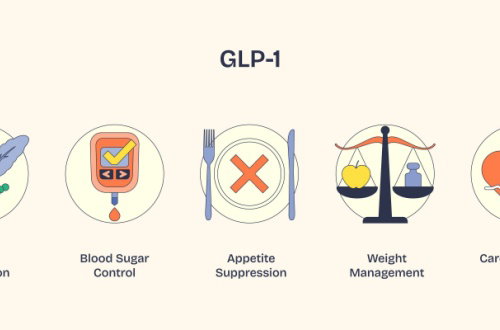
“GLP-1 receptor agonists do not replace missing hormones, but they can help restore balance thru key metabolic pathways.”
Although glucagon-like peptide-1 medications do not directly fix underlying hormone imbalances like thyroid disorders or menopause, prescriptive GLP-1 receptor agonists can be incredibly helpful for improving endocrine disorders driven by metabolic dysfunction or obesity. For example, where GLP-1s do not cure hot flashes, they are highly effective at reducing visceral belly fat that often triggers menopausal symptoms due to changes in hormone levels like estrogen.
Hormone imbalances are a common culprit that is often directly linked to unintended changes in one’s weight whenever certain chemical messengers are not at the correct levels. For example, women are prone to estrogen dominance during menopausal phases due to estrogen and progesterone imbalance that naturally rise and fall throughout their lifetime. Symptoms of high estrogen hormone levels in females can reduce sex drive, increase feelings of fatigue, worsen premenstrual syndrome, and lead to fat deposits in the waist, thighs and hips.
In example, although GLP-1 receptor agonists do not replace estrogen or directly fix estrogen resistance, they are considered to be highly effective at treating metabolic inefficiencies. Caused by imbalances, suppressing appetite and improving insulin sensitivity helps counteract changes and manage signals to store fat. However, recent clinical studies suggest that combining prescription GLP-1 medications with hormone replacement therapy produced significantly better weight loss results with added relief from typical GLP-1 side effects.
Can GLP-1 incretin mimetics modify key metabolic hormones?
Yes they can. In fact, glucagon-like peptide-1 incretin mimetics work by mimicking the body’s production of the natural GLP-1 hormone in the gut after eating. Both the natural hormone and the synthetic pharmaceutical receptor agonists fundamentally alter how your body processes energy and regulates blood glucose levels with reductions in blood sugar spikes and crashes. GLP-1 RAs release insulin in a glucose-dependent manner only when blood sugar levels are high. Moreover, these prescriptive medications inhibit the release of glucagon and signals the liver to release stored sugar. This increases feelings of fullness to lessen hunger.
Can GLP-1s provide patients relief from hormonal imbalance?
Clinical data indicates that both estrogen and glucagon-like peptide-1 act on converging pathways in the brain’s appetite center and directly improves how a woman’s body handles energy by reducing adipose fat-tissue storage. But, for those taking oral estrogen, GLP-1 RA side effects like gastrointestinal discomfort can reduce absorption, so transdermal patches or gels should be used for HRT. On the other hand, with PCOS estrogen dominance, GLP-1 non-hormonal receptor agonists can indirectly help by promoting weight loss that aids in regulating sex hormone production in the body’s fat tissue.
Can GLP-1 RAs restart irregular menstrual cycles?
Although GLP-1 synthetic medications cannot replace declining hormones and do not cure symptoms like mood swings or hot flashes, they can help to reduce visceral fat storage and prevent menopausal weight gain. Plus, GLP-1s are highly effective at combating insulin resistance, which is a core driver of polycystic ovary syndrome (PCOS) by lowering testosterone levels, reducing food noise, and helping to restart irregular cycles and ovulation. Whereas weight loss can impact the specific requirements for thyroid medications over time, these incretin mimetics do not alter thyroid hormone levels in the normal range.
Are There Differences in GLP-1 Mono and Dual Agonists?
Yes, there are key differences and major similarities between the current mono-agonists like semaglutide that only mimic the body’s naturally-produced glucagon-like peptide-1 and dual agonists like tirzepatide that mimic both GLP-1 and glucose-dependent insulinotropic-polypeptide (GIP) receptors. Since adding this incretin mimetic further improves insulin sensitivity, it affects fat metabolism and works synergistically with GLP-1 to further enhance satiety allowing the patient to feel full sooner and longer.
Here’s a breakdown that compares some of the core differences:
- Mechanism of Action – Semaglutide acts as a GLP-1 receptor agonists only. This single-action incretin mimetic stimulates insulin, suppresses glucagon, slows gastric emptying, and signals satiety. But, approved dual-action RAs work harder to improve lipid metabolism by enhancing fat oxidation.
- Average Weight Loss – Clinical trials for FDA-approved semaglutide shows an average weight loss of approximately 15% of one’s overall body weight over a five-year period. On the other hand, clinical trials of tirzepatide at the highest dose for six years suggests an average weight loss of 20-plus%.
- Blood Sugar Control – Since tirzepatide’s dual-action mechanism has produced slightly better weight-loss results, it isn’t a surprise that the enhanced receptor agonists demonstrates superior glycemic control by lowering A1C by up to 2.3% compared to semaglutide’s 1.8% average.
- Side Effect Profiles – Both single action and dual-action incretin mimetics share similar side effects that primarily include gastrointestinal discomfort, such as nausea, vomiting, diarrhea, and constipation. Typically, protein-forward menus, proper hydration and food-sequencing can help.
Obviously, the addition of glucose-dependent insulinotropic-polypeptide impacts fat metabolism further when tirzepatide is being used to enhance satiety and reduce one’s overall food intake. Due to significant clinical testing of single-action GLP-1 RAs and dual-action GLP-1/GIP incretin mimetics, the FDA has approved brand-name versions of both pharmaceutical formulations for clinicians to prescribe for treating both Type 2 diabetes as well as chronic weight management related to obesity and overweight individuals with certain metabolic disorders.
_________________________
Without doubt, glucagon-like peptide-1 and sex hormones interact to regulate metabolism. These incretin mimetics enhance the sensitivity of beta cells in the pancreas to glucose by lowering blood sugar levels to prevent spikes and crashes. If you have been struggling with metabolic inefficiencies related to common hormonal shifts, it is always important to perform simple hormone and genetic testing to get a better understanding of your body’s unique needs for managing GLP-1 dosages as well as to decide whether or not hormone replacement therapy is necessary. At Metabolic Research Center Russellville, our goal is to provide the GLP-1 support needed to create a customized program that preserves crucial muscle mass, limits the common side effects of using a GLP-1 receptor agonist, and produces the changes your body needs for sustainable weight control.
By submitting this form, you agree to receive marketing text messages from us at the number provided, including messages sent by autodialer. Consent is not a condition of any purchase. Message and data rates may apply. Message frequency varies. Reply HELP for help or STOP to cancel. View our Privacy Policy and Terms of Service.