Low-Carb Veggie Link to Weight Control
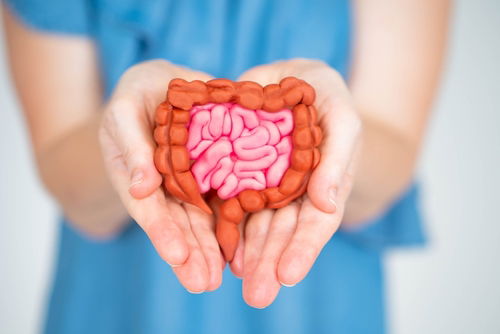
Your gut is home to trillions of microorganisms, including bacteria, fungi, and viruses that are collectively known as the gut microbiome. This complex community plays a vital role in your overall health by helping to digest food and produce essential nutrients that support your immune system. Think of it as a symbiotic relationship. Since you provide microbes with food and shelter, they perform bodily functions that help keep harmful gut bacteria in check.
In recent years, research studies have suggested that a diet rich in fiber from non-starchy, low-carb vegetables along with fermented foods, promotes a diverse and healthy gut microbiome. To avoid unnecessary imbalances (dysbiosis) and support a healthy microbiome, consider reducing your daily intake of highly processed foods, artificial sweeteners, refined carbohydrates, and excessive alcohol consumption.
MRC protein-forward, low-carb menus include the right vegetables...
Keto-friendly vegetables play a crucial role in supporting a healthy gut microbiome, primarily by providing prebiotic fiber that feeds beneficial bacteria. To maximize gut health while staying in ketosis, focus on fiber-rich, low-carb options like leafy greens (spinach, kale, arugula) and cruciferous vegetables (broccoli, cauliflower, Brussels sprouts), as well as asparagus, avocado, and zucchini. Don't forget fermented staples like sauerkraut and kimchi, which introduce essential probiotics. Incorporating nutrient-dense veggies into your diet can nourish your good gut microbes without spiking your calorie intake.
“At Metabolic Research Center, our approach is protein-forward and low-carb*—but that doesn’t mean vegetables are off the table. The right non-starchy vegetables play a critical role in metabolic health, gut function, and sustainable fat loss.”
Dana McKeen, CEO & Regional Director
There also has been a growing interest in the link between gut health and mental well-being. While a fiber-rich diet supports a diverse microbiome and has been associated with better stress management (cortisol hormone), there isn't enough evidence at this point to say that dietary intake or probiotics alone can prevent mental issues. Instead, consider management of anxiety and depression to be part of a comprehensive approach to healthy living. If you have concerns about how daily stressors are might be impacting your weight control, consult a healthcare professional.
Imbalances Can Increase Fat Storage
The composition of your microbiome can impact your overall energy balance. For example, gut microbes influence how your body extracts energy from carbohydrates and fats. Of the trillions of microorganisms residing in the gut, some produce enzymes that regulate fat storage while other microbes can inhibit production of the protein that normally helps prevent fat accumulation. A healthy gut microbiome that is rich in beneficial bacteria can promote sustainable weight control, while imbalances (dysbiosis) is linked to unintended weight gain.
An unhealthy gut can lead to increased gut lining permeability and a leaky gut can allow toxic byproducts to enter the bloodstream. This process can trigger systemic inflammation, which is a key factor in the development of obesity and metabolic disorders. Conversely, healthy bacteria produce short-chain fatty acids that can influence hunger hormones like PYY and GLP-1 to promote feelings of fullness; and chemical messengers in the gut communicate directly with your brain via the gut-brain axis to influence mood and help with stress management.
Whole vegetables that help reduce fat storage are typically low-calorie, high-fiber, nutrient-dense options like leafy greens (spinach, kale), broccoli, cauliflower, asparagus, Brussels sprouts, cabbage, artichokes, zucchini, and mushrooms, which promote fullness, support metabolism, balance blood sugar, and reduce inflammation, aiding weight management. These vegetables are rich in fiber and antioxidants that keep you feeling full longer, naturally reducing overall calorie intake and helping to burn deep belly (visceral) fat. In fact, spinach is frequently cited by dietitians as the number one vegetable for reducing deep fat deposits.
Optimize the Gut for Insulin Sensitivity
The gut microbiome is a popular topic in health and wellness communities, and it's easy to see why. These trillions of microorganisms in your intestinal tract may hold the key to understanding and treating a wide range of complex health conditions, including metabolic diseases and unintended weight gain. While genetics play a major role early in life, environmental and lifestyle factors have a much larger impact on gut health as you age. However, a healthy and diverse gut microbiome supports essential functions for ongoing weight control. Here’s some tips:
- Dietary Changes – To improve your gut health and support weight loss, focus on a diet rich in non-starchy fiber, lean protein, and healthy fats while reducing intake of overly processed foods with added sugar and artificial additives. Fiber-rich foods act as prebiotics and provide the fuel for beneficial gut bacteria to thrive, as well as create polyphenols (antioxidants) that further promote a healthy microbiome. Incorporating probiotic-rich options like fermented foods introduce live beneficial bacteria directly into your gut to increase microbial diversity. Just as important as what you add to your diet is what you limit. Gut-disrupting foods, particularly those high in added sugars, saturated fats, and salt, can upset the delicate balance of your microbiome. Simple sugars can encourage the overgrowth of less beneficial bacteria, while a high intake of overly processed meats has been linked to inflammatory responses and an increased risk of certain digestive disorders.
- Lifestyle Adjustments – Simple lifestyle changes can make a huge difference. By focusing on diet, exercise, sleep, and stress management, you can support a healthy and diverse gut microbiome. Consistent, good-quality sleep is essential for a healthy gut, but poor or insufficient sleep can disrupt your gut's natural circadian rhythms and alter the balance of your gut microbiota. To support your gut health and aim for seven to nine hours of sleep per night. Since your gut and brain in constant communication through the gut-brain axis, psychological stress can directly affect your digestive wellbeing. Deep-breathing exercises and spending extra time in nature can help reduce the release of cortisol stress hormone. While sometimes a necessity, only take antibiotics as prescribed and probiotics can help to restore gut flora that live in the digestive tract. An imbalance in gut flora can be linked to health issues like leaky gut, obesity and diabetes.
- Gut Health Supplements – Beyond diet and lifestyle changes, gut health supplements and adjustments can help restore a healthier gut balance. For example, excessive alcohol consumption and smoking can damage your gut barrier causing inflammation and reducing microbial diversity. In fact, research shows that after quitting smoking the gut microbiome can begin to flourish, and moderating alcohol intake allows your gut lining to heal from inflammation as the production of beneficial compounds like butyrate increases. L-glutamine supplementation is an essential amino acid that supports the gut lining and plays a key role in metabolic processes. While your body naturally produces glutamine, supplementation can become "conditionally essential" during times of physical stress, illness, or injury. In addition, supplements like probiotics and prebiotics are particularly useful in supporting good gut balance. It’s great to get these nutrients directly from food first, then use supplements to enhance your results.
While lifestyle factors like diet and exercise play a major role in obesity, good gut health is a crucial piece of the puzzle. A typical "Western diet," high in processed, calorie-dense foods, can alter the composition of bacteria, fungi, and viruses in your gut, promoting an environment linked to obesity. However, research is still ongoing to determine if changes in the gut microbiome are a cause or just a consequence of obesity and other lifestyle behaviors. But, a weakened gut microbiome is less able to keep potentially harmful bacteria in check, which can lead to recurring health issues and unintended changes in weight.
_____________________
*Protein-First: How Low-Carb Vegetables Support Weight Loss
While your gut’s initial composition is shaped at birth, it is your lifestyle choices and aging throughout adulthood that defines the day-to-day function of your microbiota. To cultivate a microbial ecosystem that supports long-term weight management, we start by focusing on a holistic (whole person), but uniquely personalized (individual needs) approach that has been developed over several decades of applying the latest science for weight control. Plus, unlike plant-based diets, our approach prioritizes protein to preserve lean mass.
To better support your gut flora, a weight loss coach at MRC will help you design a menu plan that features “protein-forward, low-carb nutrition” with non-starchy, fiber rich vegetables that are micro-nutrient dense to aid microbial balance for better metabolic health and wellness. Your gut also plays a crucial role in how bacteria activate, inactivate, or create toxic byproducts from medications. This interaction is especially important for those using GLP-1 weight loss medications or blood glucose regulators, as gut bacteria can impact bioavailability.
In addition, Metabolic Research Center can assist with your body’s specific needs for probiotics and prebiotics, as well as other weight-related supplementation that may be needed due to specific health issues. Reducing stress, getting adequate sleep, and exercising regularly also promote a healthy gut microbiome. Whether you prefer a prescriptive medical weight loss plan or select a more traditional approach for healthy living, our team can help you identify the best options for maintaining a healthy gut microbiome.
By submitting this form, you agree to receive marketing text messages from us at the number provided, including messages sent by autodialer. Consent is not a condition of any purchase. Message and data rates may apply. Message frequency varies. Reply HELP for help or STOP to cancel. View our Privacy Policy and Terms of Service.