Cortisol Affects Fat Storage
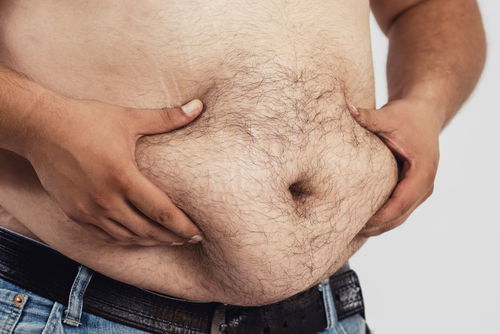
When there is excess energy, the body initially stores leftovers as subcutaneous fat under the skin, but after an excessive release of cortisol due to stress, it prefers to accumulate fat as more dangerous visceral deposits around the body’s abdominal organs. Unlike its counterpart and despite limited benefits, visceral fat is generally considered to be a “toxic fat,” as it is linked to cardiovascular disease and other serious health complications like metabolic syndrome.
As fat cells reach their storage capacity, they either enlarge or your body creates new fat cells through a process called hyperplasia. That means when subcutaneous fat storage is exceeded fat gets stored deeper and in more dangerous areas. Moreover, high cortisol levels not only promote fat storage but can also decrease muscle mass by reducing testosterone production and disrupting normal fat-burning processes.
Although cortisol was essential for survival in ancient times, chronic stress and elevated cortisol levels today can significantly affect fat gain as well as your overall weight and well-being. The good news is that most people can make simple lifestyle changes to better manage various sources of stress and reduce unwanted cortisol spikes. Improving your overall diet and exercise routine, as well as making time for a few relaxation techniques, can help you take control of your body’s production, release, and use of this stress-related hormone.
What are the health risks of stored fat?
Visceral fat might not be visible from the outside, but it's one of the most important types of body fat to understand. Unlike the subcutaneous fat you can pinch beneath your skin, visceral fat wraps around your internal organs in the abdominal cavity. While some visceral fat is necessary for cushioning organs and storing energy, too much can create serious health problems. When it accumulates, it becomes metabolically active tissue that releases inflammatory substances and hormones that can disrupt your body's normal functions.
Visceral vs Subcutaneous Fat: The difference in danger of health risks between visceral fat and subcutaneous fat stems primarily from metabolic activity as well as the substances released. Excess visceral fat is more metabolically active and can release free fatty acids and other fat metabolites directly into the liver’s portal system. This can impair hepatic function, lead to fatty liver disease, and cause poor regulation of glucose and insulin metabolism.
Visceral tissues contains high concentrations of enzymes that convert inactive cortisone into active cortisol. This means that the more visceral fat you have, the more cortisol your body produces locally. This creates a self-perpetuating cycle where stress leads to more visceral fat, which produces more cortisol, leading to even more fat storage. This cycle doesn't just affect your waistline; it disrupts glucose regulation and can lead to insulin resistance, abnormal cholesterol levels, cardiovascular disease, type 2 diabetes, and certain types of cancer.
Stress Triggers Unintended Weight Gain
Chronic stress doesn’t just affect your mood; cortisol hormone release dramatically impacts how and where your body stores fat. When cortisol levels remain consistently high, your body preferentially stores visceral fat around your internal organs rather than subcutaneous fat just beneath the skin. The shift happens because cortisol promotes the activity of lipoprotein lipase, an enzyme that specifically encourages deeper fat storage in the abdominal region.
- Increased Food Cravings – High cortisol levels trigger intense cravings for what we commonly call "comfort foods" that are high-calorie, high-fat, and sugary treats that promise temporary relief from stress.
- Cortisol Production in Tissues – Under normal circumstances, balanced cortisol levels help your body break down stored fat for energy. However, when chronic stress keeps cortisol levels elevated, this process reverses.
- Excess Glucose Due to Insulin Resistance – The condition known as insulin resistance means your cells essentially stop listening to the body’s signal for tissue to use excess energy as fuel.
- Sleep and Hormonal Imbalances – Elevated cortisol levels from chronic stress can interfere with sleep cycles, making it harder to fall asleep and stay asleep. Poor sleep quality then disrupts release of satiety hormones.
- Visceral Fat Accumulation – Visceral fat accumulation that wraps around your internal organs has a particularly problematic relationship with cortisol hormone produced due to the build-up of chronic stress.
Cortisol's relationship with fat metabolism is complex and can work both ways. When insulin levels are low, cortisol can actually help break down stored fat and release fatty acids into your bloodstream for energy. However, when cortisol levels remain persistently high due to chronic stress, the balance tips toward increased fat storage rather than fat breakdown. Additionally, cortisol converts energy into triglycerides that are then stored in adipose tissue and the hormonal disruption can trigger intense cravings for high-calorie, fatty, and sugary foods.
How Bodies Handle Cortisol Differently
When stress strikes, the human body releases cortisol, a stress hormone that can significantly impact how the body manages excess energy and stores fat deposits. Although both men and women experience somewhat similar responses to daily stressors, the way this steroid hormone affects weight gain and fat distribution varies considerably between the sexes. It is the different coping mechanisms that lead to different outcomes, especially for fat types and storage patterns.
Chronic stress and elevated cortisol levels often lead to what's commonly called a "cortisol belly" that is simply abdominal fat accumulation that affects both sexes but manifests differently. Men are much more likely to develop visceral abdominal fat deposits, while women may experience increased subcutaneous fat storage, particularly after menopause when hormonal changes naturally shift their fat distribution patterns. It is, however, important to note that while cortisol plays a major role in this process, fat storage isn't solely due to excess cortisol.
Other sex-specific differences in how men and women deal with stress and how their bodies handle excess cortisol differ and have important implications for health strategies. Women may benefit more from stress management approaches that emphasize social support and relationship building, while men might find physical exercise or solitary activities more helpful for managing stress-related weight gain. Studies also suggest that men often exhibit a stronger cortisol response to psychological stressors compare to women.
______________________
If you are looking for a weight management plan personalized for your body, your lifestyle and your goals, MRC Port Orange is here to help. Metabolic Research Center has been helping people just like you to restore metabolic efficiency for decades. Take our 2-minute quiz to “Find Your Fit” and discover how our whole body wellness approach can put you on the right track. After all, we don’t believe in fad dieting and you’ll receive an instant download for our FREE Kickstart Guide that includes meal planning, recipes and much more.
By submitting this form, you agree to receive marketing text messages from us at the number provided, including messages sent by autodialer. Consent is not a condition of any purchase. Message and data rates may apply. Message frequency varies. Reply HELP for help or STOP to cancel. View our Privacy Policy and Terms of Service.