Immune Cells Fuel in Your Gut
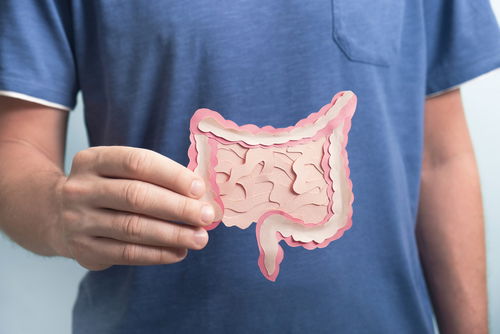
Your gut is home to trillions of microorganisms collectively known as the gut microbiome. This complex microbial community plays a vital role in your overall health, influencing everything from digestion and nutrient absorption to your immune system and mood. Recent research suggests that the specific composition of your gut bacteria (bacteria, viruses, fungi, and archaea) can even predict your success with sustainable weight reduction.
Through the body’s "gut-brain axis,” which is a bidirectional communication pathway via the vagus nerve, your gut microbiome influences appetite and energy regulation. Beneficial gut bacteria are essential for breaking down food that humans can't digest on their own like non-digestible fiber. When your microbiome is balanced, it can support better metabolic processing by regulating cellular inflammation and producing crucial neurotransmitters.
MRC protein-forward, low-carb nutrition includes the right vegetables...
Incorporating low-carb vegetables into your diet is a powerful way to support metabolic health. These nutrient-dense foods are packed with prebiotic fibers that feed beneficial gut bacteria, leading to the production of short-chain fatty acids like butyrate. This process is crucial for the gut-brain axis, as it helps reduce inflammation and supports the production of serotonin, ultimately boosting your mood and cognitive function. To reap these benefits, focus on adding protein-rich leafy greens like spinach and kale, cruciferous vegetables, such as broccoli and Brussels sprouts, and prebiotic staples like garlic and asparagus to your meals.
“At Metabolic Research Center, our approach is protein-forward and low-carb*—but that doesn’t mean vegetables are off the table. The right non-starchy vegetables play a critical role in metabolic health, gut function, and sustainable fat loss.”
Dana McKeen, CEO & Regional Director
Plant proteins do more than just build muscle; they are essential fuel for your immune system. They work indirectly by providing the fiber and polyphenols that nourish beneficial gut bacteria. When your microbiome is diverse and well-fed, it produces health-promoting metabolites that strengthen the gut barrier and regulate inflammation, which are critical steps for a healthy immune response. Beyond gut health, non-starchy veggies also provide direct support through specific amino acids that are essential for producing antibodies and nitric oxide to fight off pathogens.
Hidden Connection of Gut Food and Weight
Have you ever wondered if there's more to weight loss than just diet and exercise? While calories in versus calories out is a fundamental principle, recent research points to a fascinating "hidden variable".. the trillions of microorganisms living in your digestive tract. The gene set of your colonic microbiota is estimated to be about 150 times larger than the human genome, and these tiny helpers do far more than just aid digestion. They play a significant role in how your body manages weight, processes food, and even regulates your immune system.
One of the most compelling findings is that the gut microbiome in individuals with obesity appears to be more efficient at extracting energy from food. It essentially comes down to the types of bacteria present. Research suggests that obese individuals often have a higher ratio of Firmicutes to Bacteroidetes bacteria. These specific bacteria are excellent at breaking down indigestible fibers into short-chain fatty acids. While SCFAs are generally beneficial, an overabundance means your body is absorbing extra calories.
Think of this imbalance as your gut becoming "too good" at its job, pulling more fuel from your food than your body actually needs, which can contribute to extra fat storage. Dietary lifestyle factors, such as following a Western diet high in overly processed foods and sugar, can disrupt the delicate balance of your gut flora. Once this balance is thrown off, the altered gut microbiome may reinforce the cycle of weight gain by increasing energy harvest and triggering more fat synthesis. Plus, obesity is linked to changes in dominant gut bacteria.
Protein First for Metabolic Health
Since your gut microbiome is unique to you, there is no one-size-fits-all "cure" for weight management via the gut. However, nurturing a healthy microbiome is a crucial piece of the puzzle. A protein first diet rich in fiber from non-starchy vegetables promotes a diverse microbial ecosystem. This doesn't just help with weight; a healthy gut supports mental resilience by regulating neurotransmitters like serotonin and reducing inflammation. Ultimately, while the science of the microbiome is exciting, it isn't a magic bullet but here’s how it works:
- Energy Extraction and Storage – Your gut microbiome is responsible for breaking down complex carbohydrates that your body can't digest on its own, turning them into usable energy through a process called fermentation. However, not all microbiomes are created equal. Some people possess a more "efficient" mix of bacteria that extracts a higher number of calories from the same amount of food.
- Production of Short-Chain Fatty Acids – When gut bacteria break down dietary fiber through fermentation, they produce powerful compounds that are essential for maintaining overall metabolic health and well-being. These short-chain fatty acids like acetate, propionate and butyrate serve as the primary source to fuel cells lining your colon, as well as help to strengthen the gut barrier.
- Immune System Modulation and Inflammation – From birth, the trillions of microbes living in your digestive system help train and regulate your immunity, which is your body’s defense system. However, when this microbial community becomes imbalanced—a condition known as dysbiosis—it can weaken the gut barrier, allowing toxins to leak into the bloodstream and triggering inflammation that contributes to issues like obesity and insulin resistance.
- Bile Acid Metabolism – Bile acids formed from cholesterol in the liver play a vital role in your carbohydrate and fat metabolism. After you eat, the liver secretes primary bile acids into the small intestine, where they work to break down fats and absorb essential fat-soluble vitamins. Your gut bacteria then transform these into secondary bile acids, which act as powerful signaling molecules to regulate energy usage and fat storage.
- Nutrient and Drug Metabolism – Understanding the bidirectional relationship between food, drugs, and your gut is key to better health. Your gut bacteria are essential for metabolizing complex nutrients like fiber and proteins, producing vital compounds, such as vitamins B12 and K, that your body's enzymes can't generate on their own. In addition, gut bacteria can alter a drug or medication’s bioavailability or create toxic byproducts.
According to the Centers for Disease Control and Prevention, nearly 75% of American adults fall into the overweight or obese categories. This means roughly one in three adults are overweight, while more than two in five struggle with obesity. Given the powerful connection of gut microbiome and unintended weight gain, scientists are now actively exploring ways to treat metabolic diseases by targeting gut balance. Promising research is currently looking into dietary changes, probiotics, supplementation, and even gene-editing technologies to help regulate the microbiome.
_____________________
*Protein-First: How Low-Carb Vegetables Support Weight Loss
While your gut’s initial composition is shaped at birth, it is your lifestyle choices and aging throughout adulthood that defines the day-to-day function of your microbiota. To cultivate a microbial ecosystem that supports long-term weight management, we start by focusing on a holistic (whole person), but uniquely personalized (individual needs) approach that has been developed over several decades of applying the latest science for weight control. Plus, unlike plant-based diets, our approach prioritizes protein to preserve lean mass.
To better support your gut flora, a weight loss coach at MRC will help you design a menu plan that features “protein-forward, low-carb nutrition” with non-starchy, fiber rich vegetables that are micro-nutrient dense to aid microbial balance for better metabolic health and wellness. Your gut also plays a crucial role in how bacteria activate, inactivate, or create toxic byproducts from medications. This interaction is especially important for those using GLP-1 weight loss medications or blood glucose regulators, as gut bacteria can impact bioavailability.
In addition, Metabolic Research Center can assist with your body’s specific needs for probiotics and prebiotics, as well as other weight-related supplementation that may be needed due to specific health issues. Reducing stress, getting adequate sleep, and exercising regularly also promote a healthy gut microbiome. Whether you prefer a prescriptive medical weight loss plan or select a more traditional approach for healthy living, our team can help you identify the best options for maintaining a healthy gut microbiome.
By submitting this form, you agree to receive marketing text messages from us at the number provided, including messages sent by autodialer. Consent is not a condition of any purchase. Message and data rates may apply. Message frequency varies. Reply HELP for help or STOP to cancel. View our Privacy Policy and Terms of Service.