How the Nighttime Hormone Affects Fat Storage
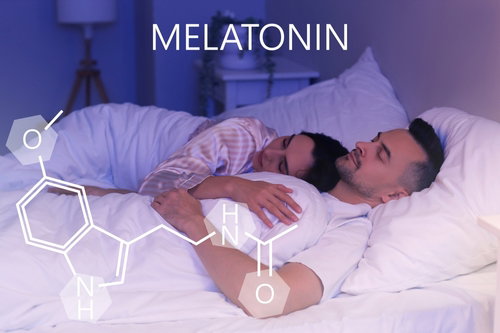
“Is Melatonin is a Your Hidden Metabolic Engine?”
Melatonin is naturally-produced hormone that acts as a master regulator to signal your body to shift into a rest mode before engaging in sleep. This process lowers insulin sensitivity to prevent glucose from entering cells, which allows the body to prioritize the burning of stored fat for energy while you sleep. However, melatonin’s relationship with insulin is very complex and has been characterized as antagonistic and here’s why.
The hormone’s short-term impact improves overall insulin resistance to enhance metabolic efficiency, reduces obesity-related inflammation, and lowers fasting insulin (A1c) levels. Melatonin acts by mitigating endoplasmic reticulum stress to prevent cellular apoptosis (cell death), as well as reducing hepatic steatosis (fatty liver), and activating chemical signaling to improve glucose homeostasis. While high levels at night temporarily inhibit insulin, properly timed supplementation offers better glucose control for those with metabolic issues.
Protein-forward foods that help to prevent insulin resistance include lean meats, fatty fish rich in omega-3s, eggs, soy products, and nuts or seeds. Prioritizing proteins like these in an MRC personalized menu plan with non-starchy vegetables (leafy greens, broccoli, peppers), and Greek yogurt helps to slow digestion, prevents blood sugar spikes, and improves insulin sensitivity. So, prioritizing protein at every meal helps stabilize blood glucose levels to more naturally reduce your body’s insulin demand.
“Can I take melatonin with semaglutide for weight-loss?”
Semaglutide is a highly popular weight-loss medication that works as a glucagon-like peptide-1 (GLP-1) receptor agonist to reduce appetite by slowing gastric emptying of food from the stomach into the intestinal tract. So, both semaglutide and melatonin are unique substances that work through entirely different mechanisms and, more importantly, are metabolized via separate metabolic pathways. Nonetheless, currently there is no direct pharmacological interaction between melatonin and Wegovy, which is the FDA-approved GLP-1 prescribed for weight loss. As always, it is important to inform your doctor about underlying health conditions being treated by medications before starting your journey.
*NOTE: Due to the role that melatonin can play in insulin resistance of peripheral tissues like adipose tissue, pancreas, and skeletal muscles, patients with obesity who took melatonin supplements for 12 weeks showed a pronounced decrease in insulin resistance. So, in studies involving cases of existing insulin resistance, melatonin treatment was found to improve glucose metabolism by restoring the effect of insulin on the cardiovascular system.
Melatonin Acts as a Double-Edged Sword
Melatonin acts as a double-edged sword for maintaining metabolic efficiency and regulating the metabolic shift of storing visceral fat, particularly surrounding internal organs in the midsection, and even without changes in food intake. With that said, fat storage is heavily dependent upon each individual’s overall health status as well as the timing of melatonin supplementation. Despite the fat-burning properties gained, snacking while melatonin levels are high, signals the body to easily store those calories as fat.
On the other hand, melatonin (whether natural or supplemented) encourages the conversion of energy-storing white fat into energy-burning beige or brown fat. This process is known as “browning” and it directly increases calorie expenditure by producing heat. Melatonin hormone can also stimulate the breakdown of stored fats (lipolysis) within muscle tissue by activating specific metabolic pathways. However, because melatonin peaks at night during storing" mode, late-night snacks increase the likelihood that calories are converted to fat.
Without doubt, there is always a time-dependent sensitivity and especially at night when natural melatonin levels are higher. During this time period, the body’s cells are less responsive to insulin during this evolutionary-adapted rest mode that helps prevent low blood sugar levels while your body is fasting during sleep. However, eating midnight snacks after hours creates a feeding conflict because melatonin naturally inhibits insulin secretion from your body’s pancreatic beta cells.
____________________
Whether naturally produced or supplemented, melatonin generally promotes a shift toward fat-burning rather than fat-storing, primarily through "browning" and thermogenesis. The sleep hormone has also been shown to reduce fat accumulation by enhancing brown adipose tissue activity, thus increasing energy expenditure. But, timing is a critical factor for food consumption when managing melatonin release. If you’re struggling to sleep, contact Metabolic Research Center Panama City today. One of our weight loss coaches will be in touch to discuss how you can get a good night’s sleep and still enjoy the weight loss benefits of a protein-first, low carb diet. After all, the quality of sleep you get isn’t just about getting through your daily grind; your gut-brain-melatonin axis is directly linked to increased risk of heart disease, high blood pressure, diabetes, kidney disease, stroke, and obesity.
*NOTE: Generally speaking, melatonin supplementation should be avoided by pregnant or breastfeeding women, those with autoimmune disease, or individuals taking immunosuppressants, blood thinners, or certain blood pressure medications.
By submitting this form, you agree to receive marketing text messages from us at the number provided, including messages sent by autodialer. Consent is not a condition of any purchase. Message and data rates may apply. Message frequency varies. Reply HELP for help or STOP to cancel. View our Privacy Policy and Terms of Service.