Weight Gain Linked to Gut Inflammation
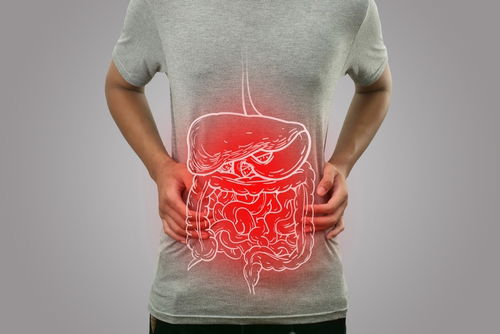
Gut inflammation can create an unwanted cycle where imbalanced gut flora (called dysbiosis) disrupts hormonal signaling and appetite regulation that leads to more inflammation with increased hunger and unintended weight gain. Often called a “leaky gut,” this increased intestinal permeability allows microbial components to enter the bloodstream while inflammatory messengers (called cytokines) travel to other organs, which causes systemic inflammation.
When your gut microbiome is imbalanced, it can disrupt metabolism and increase gut permeability. This in turn allows inflammatory toxins to enter the bloodstream that signal your body to store fat. Unfortunately, as this inflammation further interferes with how your body processes food and regulates blood sugar, it often leads to increased hunger and slower energy usage. In short, poor gut health makes weight loss significantly more difficult.
Studies confirm there is a strong, bidirectional link between gut inflammation and unintended weight gain, and also suggest that this can become a "vicious cycle." However, by improving your microbiome through dietary intake and lifestyle changes, you can break this cycle by reducing inflammation to support better metabolic functions. Nonetheless, chronic inflammation in the digestive tract can become systemic and dysbiosis can disrupt how your body processes energy. This can lead to increased fat storage and difficulty shedding unwanted weight gain.
Why protein-forward, low-carb nutrition includes the right vegetables...
You can supplement your protein-forward, low-carb nutrition with non-starchy, clean plant protein to ensure you hit your macro goals without adding unnecessary high-calorie carbohydrates. Fact is, a gut-healthy, low-carb protein boost can prioritize non-digestible fiber with nutrient-dense choices. So, avoid starchy root vegetables like potatoes and corn, as they can spike blood sugar. Instead, focus on the low-carb options that feed beneficial gut bacteria.
“At Metabolic Research Center, our approach is protein-forward and low-carb*—but that doesn’t mean vegetables are off the table. The right non-starchy vegetables play a critical role in metabolic health, gut function, and sustainable fat loss.”
Dana McKeen, CEO & Regional Director
If you are following a keto diet, you can still support your gut health by focusing on fiber-rich, low-carb ingredients. Incorporate fermented staples like sauerkraut and kimchi to introduce live probiotics alongside your prebiotic fibers. For those looking to manage weight, adding alliums and peppers can be beneficial, as they contain active compounds that stimulate thermogenesis (burning calories for heat). Healthy keto-style sides use these ingredients to ensure you get essential nutrients without kicking yourself out of ketosis.
Dysbiosis Can Increase Resistance
Did you know gut dysbiosis might be making it harder for you to keep lost weight off? When your gut microbiome is inflamed or imbalanced, it can actually become more efficient at extracting calories from the food you eat. This means you could be consuming the exact same meal as someone else but gaining more weight from it. In part, this is due to the fact that inflammation interferes with two critical hormones: insulin and leptin.
Insulin regulates blood sugar, but inflammation can cause cells to become resistant to it. When this happens, your body is more likely to store excess sugar as fat, specifically around the abdomen. Simultaneously, inflammation triggers resistance to leptin, the hormone that tells your brain you are full, which often leads to overeating. To make matters worse, excess visceral belly fat also releases inflammatory chemicals called cytokines that further fuel insulin resistance.
Chronic inflammation weakens the intestinal lining, which can cause "leaky gut." This allows toxins to easily escape into the bloodstream and trigger widespread systemic inflammation that then promotes increased fat storage. Furthermore, gut inflammation may spike ghrelin, which is the primary hunger hormone, while suppressing satiety signals like glucagon-like peptide-1 (GLP-1). Fortunately, fermented foods like kefir, kimchi or sauerkraut help reduce gut-specific issues.
Nurturing Your Microbiome for Weight Control
Limit refined carbs, sugary drinks, ultra-processed foods, trans fats, and excessive alcohol to give your gut a chance to heal and function optimally. Plus, consistent exercise (even short daily walks), improved sleep cycles, and better stress management to lower cortisol levels are all linked to less fat storage. Additionally, consuming gut-disrupting foods, particularly those filled with added sugars, can upset delicate balance and encourage overgrowth of less beneficial bacteria.
- Dietary Changes – Vegetable proteins and fibers do more than just aid digestion; they significantly boost the gut-brain axis. By nourishing good bacteria, these foods promote the production of Short-Chain Fatty Acids like butyrate. SCFAs help reduce inflammation and influence neurotransmitters like serotonin, leading to better mood and cognitive function. A diverse microbiome supported by these plants can even protect against neuroinflammation, improving both mental and digestive well-being. While tofu is a staple, tempeh is often a superior choice because it is fermented. This fermentation makes it easier to digest and provides a rich source of gut-friendly probiotics.
- Lifestyle Adjustments – Caring for your gut microbiome involves more than just watching what you eat. Your lifestyle plays a huge role, too. For example, to support a diverse and healthy gut, aim for 7 to 9 hours of quality sleep nightly to maintain your gut's natural circadian rhythm. Moderate exercise like walking, jogging, or resistance training can support beneficial bacteria and improve digestion. Since the gut and brain are linked via the gut-brain axis, manage stress through meditation or yoga to prevent cortisol from disrupting bacterial balance. Finally, use antibiotics only when necessary, as they can wipe out good bacteria along with the bad and disrupt your microbial ecosystem.
- Gut Health Supplements – When your body needs extra support, supplementation can provide a valuable boost. Researchers are finding that specific compounds can significantly improve metabolic health and microbiome diversity. Probiotics, for instance, are live microorganisms (like bacteria and yeast) that help balance gut flora and can be found in fermented foods. To help these beneficial bacteria thrive, include prebiotics found in foods like leeks, garlic, and asparagus that act as fuel for your microbiome. Another key player is a naturally-produced amino acid called L-glutamine that supports gut repair. As the science evolves, research is exploring bioactive enzymes for better managing metabolic health.
Since your gut microbiome plays a pivotal role in your overall metabolic well-being, everything from immune function to weight management is in play. If your microbiota is weakened, it can struggle to keep harmful bacteria in check, which often leads to issues like chronic fatigue, digestive distress, and unintended changes in weight. To restore microbial balance, aim for a holistic approach that prioritize a protein-first, plant-rich diet loaded with low-carb fiber and fermented foods as well as manage daily stress levels to get adequate amounts of quality sleep.
_____________________
*Protein-First: How Low-Carb Vegetables Support Weight Loss
While your gut’s initial composition is shaped at birth, it is your lifestyle choices and aging throughout adulthood that defines the day-to-day function of your microbiota. To cultivate a microbial ecosystem that supports long-term weight management, we start by focusing on a holistic (whole person), but uniquely personalized (individual needs) approach that has been developed over several decades of applying the latest science for weight control. Plus, unlike plant-based diets, our approach prioritizes protein to preserve lean mass.
To better support your gut flora, a weight loss coach at MRC will help you design a menu plan that features “protein-forward, low-carb nutrition” with non-starchy, fiber rich vegetables that are micro-nutrient dense to aid microbial balance for better metabolic health and wellness. Your gut also plays a crucial role in how bacteria activate, inactivate, or create toxic byproducts from medications. This interaction is especially important for those using GLP-1 weight loss medications or blood glucose regulators, as gut bacteria can impact bioavailability.
In addition, Metabolic Research Center can assist with your body’s specific needs for probiotics and prebiotics, as well as other weight-related supplementation that may be needed due to specific health issues. Reducing stress, getting adequate sleep, and exercising regularly also promote a healthy gut microbiome. Whether you prefer a prescriptive medical weight loss plan or select a more traditional approach for healthy living, our team can help you identify the best options for maintaining a healthy gut microbiome.
By submitting this form, you agree to receive marketing text messages from us at the number provided, including messages sent by autodialer. Consent is not a condition of any purchase. Message and data rates may apply. Message frequency varies. Reply HELP for help or STOP to cancel. View our Privacy Policy and Terms of Service.