Gut Food to Help You Lose Weight
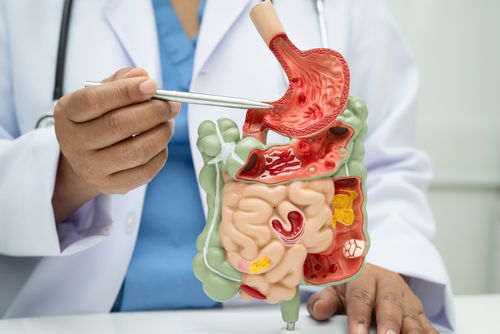
Yes gut health can help you lose weight. Conversely, poor gut health due to imbalances in your microbiome may be a major culprit for unintended weight gain. The human gut is home to a complex community of trillions of microorganisms that contain a collective gut flora of bacteria, fungi, viruses, and archaea. This ecosystem plays a vital role in everything from digestion and nutrient absorption to immune reprogramming and even cognitive functions.
Your body’s continuous exchange of dynamic information is part of your rest-and-digest nervous system (parasympathetic) that ensures harmonious functioning via the bidirectional signaling between the brain and your gut. Since communication is crucial for maintaining homeostasis, dysfunctions (dysbiosis) is linked to various conditions like anxiety and depression, gastrointestinal disorders, and unintentional weight gain. In addition, dysbiosis can increase inflammation that can lead to intestinal barrier compromise called a leaky gut.
Why protein-forward, low-carb nutrition includes the right vegetables...
For a diet that supports both protein intake and a thriving microbiome, focus on vegetables that act as dual-action powerhouses. To take it a step further, incorporate prebiotic-rich options such as asparagus, onions, and garlic to feed beneficial gut bacteria. When these fibers ferment, they produce short-chain fatty acids that regulate energy and insulin sensitivity. By prioritizing these nutrient-dense foods, you can support a healthy, "protein-forward" metabolism.
“At Metabolic Research Center, our approach is protein-forward and low-carb*—but that doesn’t mean vegetables are off the table. The right non-starchy vegetables play a critical role in metabolic health, gut function, and sustainable fat loss.”
Dana McKeen, CEO & Regional Director
As part of your gut-brain axis, the specific types of gut bacteria in your microbial community can predict the success you might have with weight reduction. For example, good bacterial can stimulate hormones like peptide YY (PYY) and glucagon-like peptide-1 (GLP-1), which signals fullness to the brain via two-way bidirectional communication via the vagus nerve. This highway between your gut and brain sends sensory signals upstream to the brain (afferent) and motor commands downstream (efferent) to help maintain homeostasis.
Disrupted Flora Can Increase Energy Harvest
Because everyone's microbiome is unique there is no one-size-fits-all approach to maintaining good gut balance. For starters, your gut flora is initially shaped by birthing (vaginal versus cesarian) and feeding methods (breastfed versus formula) and later by numerous lifestyle factors related to energy metabolism. Nonetheless, nurturing a diverse gut microbiome is key. Studies suggest that individuals with metabolic disorders often have a different gut composition. For example, type 2 diabetics may have fewer beneficial butyrate-producing bacteria.
In the context of metabolic health, "reducing energy harvesting" refers to minimizing the body's ability to extract and store excess calories (particularly as fat) by optimizing the gut microbiome and improving insulin sensitivity. Protein-first vegetables that help manage energy intake are typically leafy greens (spinach, lettuce, kale), cruciferous veggies (broccoli, cauliflower, Brussels sprouts), and water-rich options (cucumber, zucchini, celery, asparagus, bell peppers, mushrooms) because they are low in net carbs but high in nutrients and fiber, promoting fullness and stable blood sugar without providing excess energy. These veggies are excellent for low-carb diets like keto, helping you feel satisfied and reduce reliance on high-energy foods.
Changes in gut-level energy harvesting is often linked to the balance of specific bacterial types. Researchers have observed a higher ratio of Firmicutes to Bacteroidetes bacteria in individuals with obesity. Firmicutes are particularly good at breaking down indigestible dietary fibers into short-chain fatty acids. While SCFAs have benefits, they also provide additional calories to the host, which can directly contribute to weight gain. In addition, lifestyle factors like a Western diet that’s high in processed foods can disrupt your gut’s delicate balance.
Protein First for Better Metabolic Health
The influence of your gut microbiome extends beyond just calorie absorption. While scientists haven't identified a specific microbial "signature" for obesity yet, it is clear that your gut health plays a significant role in how your body manage metabolism. Furthermore, gut health can impact your mental wellbeing. A diverse microbiome helps regulate neurotransmitters like the feel-good chemical serotonin. Although nurturing your gut health is just one piece of a complex puzzle, it impacts both your metabolic balance and mental resilience.
Here’s how it works:
- Energy Extraction and Storage – Gut microbes are responsible for breaking down complex carbohydrates that your body can't digest through a process called fermentation. However, not all microbiomes are created equal. Some possess a more "efficient" mix of bacteria that extracts a higher number of calories from the same amount of food. This increased energy harvest combined with its influence on fat storage means an overly-efficient gut can actually contribute to weight gain and obesity over time.
- Production of Short-Chain Fatty Acids – When gut bacteria ferment fiber that your body can't digest, they produce powerful compounds called short-chain fatty acids. The three main types are acetate, propionate, and butyrate, and each plays a vital role. Butyrate serves as the primary fuel for the cells lining your colon to maintain a strong gut barrier. Propionate and acetate help regulate appetite by triggering the release of satiety hormones like glucagon-like peptide-1 (GLP-1) that signals you are full.
- Immune System Modulation and Inflammation – Did you know that your immune system and metabolic health are deeply rooted in your gut? From birth, your gut microbiome works to train and regulate your body's defenses. However, an imbalance in these microbes can disrupt this delicate partnership. Fortunately, your microbiome has a built-in defense mechanism. Ultimately, maintaining a balanced gut is about more than just digestion; it is a crucial pillar of your overall immune and metabolic health.
- Bile Acid Metabolism – Bile acids are essential molecules produced by your liver from cholesterol. When you eat, your liver releases primary bile acids into the small intestine to help break down fats and absorb vital fat-soluble vitamins. The process continues as your gut bacteria transform these into secondary bile acids that act as powerful signaling molecules to regulate your metabolism, specifically how your body manages fats, sugars, and energy. About 95% are reabsorbed, returned to the liver and used again.
- Nutrient and Drug Metabolism – Understanding the bidirectional relationship between what you consume and your gut bacteria is key to optimal health. Your microbiome acts as a powerful metabolic engine, playing a critical role in breaking down complex nutrients, like carbohydrates, fats, and proteins, and producing vital compounds like vitamins B and K that your body’s enzymes cannot create on their own. Gut bacteria also interact with prescription drugs like GLP-1 medications.
By taking care of your gut, you're investing in your overall health. Nonetheless, while gut health is a significant factor in weight control for healthy living, it is most effective when viewed as part of a holistic weight management plan that includes a balanced diet, regular exercise, and healthy lifestyle habits. Moreover, once your gut is disrupted, the imbalance can reinforce cycles of unintended weight gain. Think of this as your gut getting “too good” at its job by pulling more energy (calories) from your daily dietary intake than your body actually needs.
_____________________
*Protein-First: How Low-Carb Vegetables Support Weight Loss
While your gut’s initial composition is shaped at birth, it is your lifestyle choices and aging throughout adulthood that defines the day-to-day function of your microbiota. To cultivate a microbial ecosystem that supports long-term weight management, we start by focusing on a holistic (whole person), but uniquely personalized (individual needs) approach that has been developed over several decades of applying the latest science for weight control. Plus, unlike plant-based diets, our approach prioritizes protein to preserve lean mass.
To better support your gut flora, a weight loss coach at MRC will help you design a menu plan that features “protein-forward, low-carb nutrition” with non-starchy, fiber rich vegetables that are micro-nutrient dense to aid microbial balance for better metabolic health and wellness. Your gut also plays a crucial role in how bacteria activate, inactivate, or create toxic byproducts from medications. This interaction is especially important for those using GLP-1 weight loss medications or blood glucose regulators, as gut bacteria can impact bioavailability.
In addition, Metabolic Research Center can assist with your body’s specific needs for probiotics and prebiotics, as well as other weight-related supplementation that may be needed due to specific health issues. Reducing stress, getting adequate sleep, and exercising regularly also promote a healthy gut microbiome. Whether you prefer a prescriptive medical weight loss plan or select a more traditional approach for healthy living, our team can help you identify the best options for maintaining a healthy gut microbiome.
By submitting this form, you agree to receive marketing text messages from us at the number provided, including messages sent by autodialer. Consent is not a condition of any purchase. Message and data rates may apply. Message frequency varies. Reply HELP for help or STOP to cancel. View our Privacy Policy and Terms of Service.