Does Your Former Weight Affect GLP-1?
“Visit MRC SW Omaha to Learn About Resetting Your Weight Set Point”
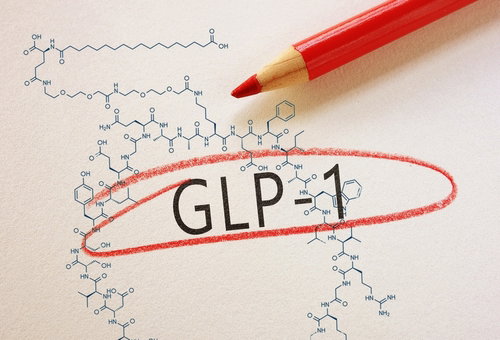
Yes, it can. Glucagon-like peptide-1 receptor agonists are transformative in treating obesity and shifted how the metabolic condition is managed. While reducing risks of cardio events like heart attacks or strokes, GLP-1 prescription medications like semaglutide or tirzepatide have helped many people move from less-effective “lifestyle only” weight loss plans to a science-based approach that includes delivering long-term medical care.
Indeed, patients have achieved unprecedented weight loss results in clinical trials with the introduction of this generation of anti-obesity medications that have delivered 15 to 20 percent reductions in weight. Experts consider glucagon-like peptide-1 receptor agonists to be twice as effective having doubled the efficacy of previous medical treatments and has narrowed the gap between results from bariatric surgery to pharmaceutical management of the disease.
Even for those individuals who are battling their way back to a target weight, having been overweight can continue to impact their body’s metabolic efficiency after shedding unwanted pounds. In other words, maintaining weight loss can be much harder than losing the weight was in the first place. Although researchers are still searching for answers, studies have suggested that it has more to do with hormonal imbalances related to losing weight, which slow metabolism and increase food cravings.
Can you naturally have a slow metabolism?
Due to factors like genetics, age, and biological discrepancies that can influence how many calories a person’s body burns at rest, people can naturally have a slower metabolism. Although the slower basal metabolic rate (BMR) is real, it is usually considered a minor factor in overall weight management. While a naturally slower metabolism makes long-term weight management more challenging, it is not considered to be the cause of massive weight gain on its own. Moreover, it is a myth that a slow metabolism makes weight loss impossible, as it doesn’t. Indeed inherited traits can play a role, for example, a primary driver of slower metabolism is having smaller sized internal organs (heart, liver, kidneys) relative to overall body size. Although metabolic functions tend to slow with natural aging, this is most often due to loss of calorie-burning muscle mass (sarcopenia) after 50 to 60 years of age. For the most part, even those individuals with a slower metabolism can still increase their metabolic rate by building muscle through resistance training.
Why Do People Who Were Overweight Face Challenges?
Often referred to as “hibernation mode” after losing weight, this metabolic adaptation causes the body to burn fewer calories than a person who never was overweight, but was at the same weight. This suggests that overweight and obese individuals must consume fewer calories to achieve the same total of weight. While fat cells can decrease in size with weight loss, the number of fat cells remain elevated and persistent cells are primed to efficiently store fat if caloric intake increases.
In addition, the human body has a defense mechanism that allows it to create a “fat mass” set point. This is related to the innate “fight or flight” response for human survival and is designed to protect against starvation during periods of food shortage. So, whenever weight is lost and especially too quickly, your body may instantly attempt to return to its highest set point. Plus, studies suggest that formerly overweight or obese individuals may naturally possess a higher reward response particularly for calorie-dense foods that encourage overeating.
Today, scientists believe these physiological differences seen in overweight or obese people who are trying to lose weight make it harder to keep the lost weight off for the long-term. This is where one-on-one coaching can help them make long-term lifestyle adjustments, or sometimes continued medical interventions, to maintain a lower target weight than someone who simply needs to shed some unintended fat gain. Generally speaking, the human body will most likely always support efforts to return to the highest weight someone reached before starting their journey.
______________________
Although having a higher body mass index (BMI) does not stop GLP-1 receptor agonist medications from working properly, it does mean that you likely need to lose a higher percentage of total body weight. Moreover, your body will fight harder to regain the lost weight if you stop treatment without making critical lifestyle changes. Weight regain after stopping semaglutide or tirzepatide is extremely common with a significant portion of about 2/3rds of lost weight regained within one year. If you’re trying to decide whether a prescription-based weight loss plan or a more holistic metabolic weight loss program is right for you, contact MRC SW Omaha - Papillion today. One of our weight loss coaches will be in touch to discuss how hormone imbalances, genetic factors and key lifestyle habits may have slowed your metabolism and led to unintended weight gain. After all, hormonal balance can be restored and disrupted metabolic rates can be reset with a personalized approach.
By submitting this form, you agree to receive marketing text messages from us at the number provided, including messages sent by autodialer. Consent is not a condition of any purchase. Message and data rates may apply. Message frequency varies. Reply HELP for help or STOP to cancel. View our Privacy Policy and Terms of Service.